
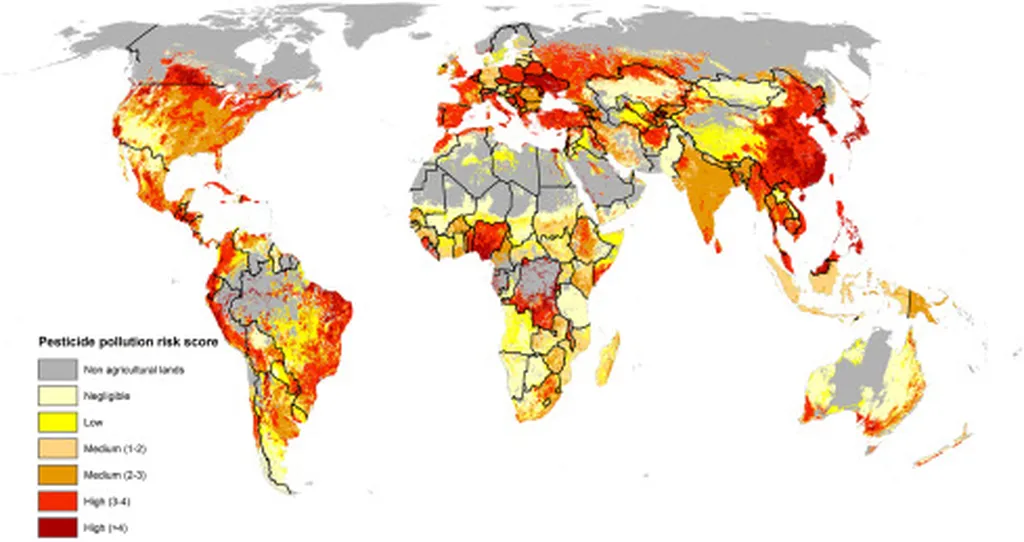
In a sweeping analysis of global cereal lead contamination, researchers have uncovered a stark contrast between regions, highlighting persistent pollution hotspots despite the worldwide phase-out of leaded gasoline. The study, published in *Ecotoxicology and Environmental Safety*, scrutinized 2843 lead data records from 59 countries over four decades, revealing that while global lead concentrations in cereal grains have generally declined, significant regional disparities remain.
The research, led by Nan Xiao from Zhejiang University, identified alarmingly high median lead levels in rice from Pakistan (0.40 mg/kg), wheat from Slovenia (1.33 mg/kg), and corn from India (1.02 mg/kg). These findings starkly contrast with the low lead levels (<0.01 mg/kg) maintained in many developed nations. "The data shows that industrial activities, particularly battery manufacturing and metal smelting, have become the primary sources of lead contamination today," Xiao explained. This shift underscores the need for targeted interventions in emission controls and agricultural practices.The study also found a significant negative correlation between per capita income and lead pollution levels, suggesting that socioeconomic factors play a crucial role in environmental health. Health risk assessments further revealed concerning exposure levels for children, with Margins of Exposure falling below 1 in multiple countries. This indicates potential neurodevelopmental risks from cereal consumption alone, emphasizing the urgent need for protective measures.For the agriculture sector, these findings have profound commercial implications. The persistence of lead contamination in key cereal crops could lead to trade restrictions and reduced market access for affected regions. "Farmers and agribusinesses in high-contamination areas may face significant economic challenges," Xiao noted. "However, this research also presents an opportunity for innovation in sustainable farming practices and pollution control technologies."The study's spatiotemporal analysis highlights the importance of regional cooperation and targeted policy interventions. As the global food system continues to evolve, addressing lead contamination will require a multifaceted approach that includes emission controls, agricultural best practices, and socioeconomic support for vulnerable populations. By doing so, the agriculture sector can mitigate risks and ensure the safety and sustainability of the global food supply.This research not only sheds light on the current state of lead contamination but also paves the way for future developments in environmental policy and agricultural innovation. As the world grapples with the legacy of industrial pollution, the findings serve as a call to action for protecting public health and fostering a safer, more sustainable food system.