
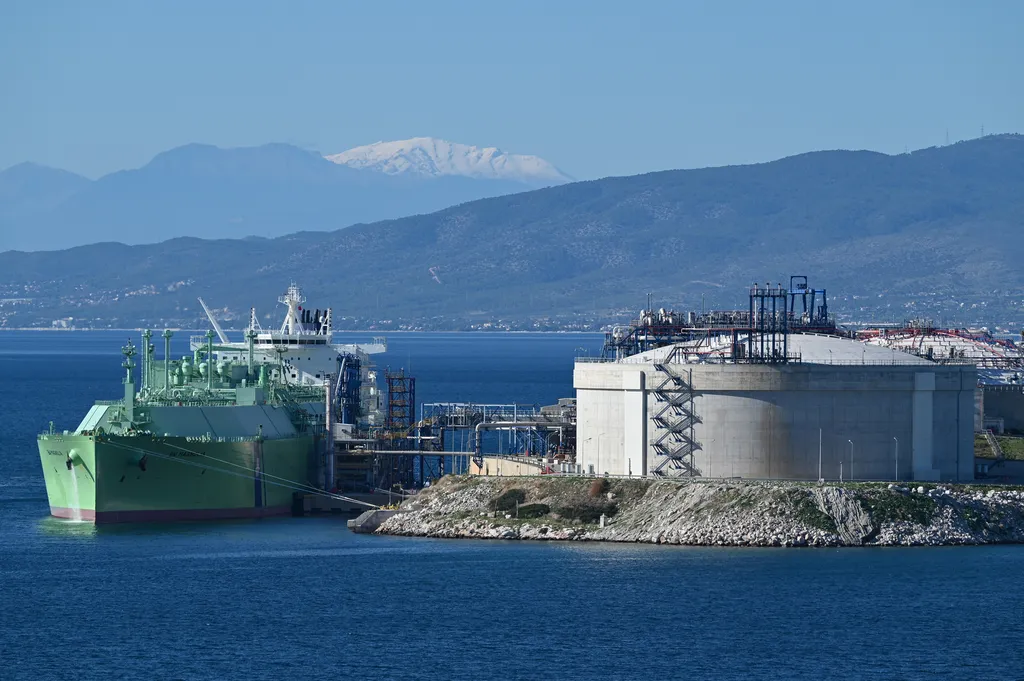
The surge in liquefied natural gas (LNG) exports in 2025 has been a significant factor in the rise of utility bills across the United States, according to an analysis of federal data. This trend has particularly stark implications for the agriculture sector and investors in the energy market.
President Donald Trump’s promise during the 2024 campaign to cut energy prices by 50 percent within a year has not materialized. Instead, nationwide electricity bills have increased by 13 percent compared to the previous year. The growing export of LNG and the corresponding spike in gas prices are key contributors to these increases, as highlighted in a new report from Public Citizen, a nonprofit consumer advocacy organization.
The analysis, based on data from the U.S. Energy Information Administration, reveals that Americans paid $12 billion more for natural gas between January and September 2025 than they did during the same period the previous year. Natural gas is crucial for both heating homes and powering the electric grid, making its price fluctuations particularly impactful on utility bills. Higher exports leave Americans more vulnerable to global market swings. LNG exports increased by 22 percent this year, with the second Trump administration prioritizing these exports as a significant part of its energy policy.
Tyson Slocum, the author of the report and director of Public Citizen’s energy program, argues that Trump’s focus on LNG exports is hindering efforts to address energy affordability. “Twenty-five percent of all of America’s natural gas production is being dedicated to natural gas exports,” Slocum said. This shift leaves millions of Americans struggling to pay their utility bills, with 23 percent of Americans reporting difficulties in paying at least one energy bill in full over the prior year, according to the latest Census Bureau data.
The implications for the agriculture sector are profound. Farmers and agribusinesses rely heavily on affordable energy for irrigation, heating greenhouses, and powering machinery. Higher energy costs can squeeze profit margins, potentially leading to reduced investments in technology and expansion. This could stifle innovation and productivity gains in an industry that is already grappling with climate change and market volatility.
For investors, the situation presents a mixed bag of opportunities and risks. On one hand, the push for increased LNG exports could benefit companies involved in the production, transportation, and export of natural gas. The Trump administration has already approved applications for LNG projects that could export 25 percent more than 2024 levels. This expansion could lead to significant returns for investors in the energy sector.
On the other hand, the potential for higher energy prices and regulatory challenges could pose risks. The Biden administration’s study, released in December 2024, found that increasing LNG exports could lead to significant greenhouse gas emissions and higher energy prices for American consumers. This could prompt stricter regulations and higher compliance costs for energy companies, impacting their bottom lines.
The geopolitical dimension also plays a crucial role. The Trump-led U.S. Department of Energy has been actively promoting LNG exports, including agreements with Japanese companies to export up to 5.5 million tons of LNG per year over a two-decade period. However, efforts to persuade the European Union to reconsider regulations limiting methane emissions for imports could face hurdles, potentially affecting the market for U.S. LNG.
In summary, the rise in LNG exports and the corresponding increase in utility bills have significant implications for both the agriculture sector and investors. While there are opportunities for growth and profit in the energy sector, the risks associated with higher energy costs, regulatory challenges, and market volatility cannot be ignored. As the situation evolves, stakeholders will need to carefully navigate these complexities to ensure sustainable and affordable energy solutions for all.