
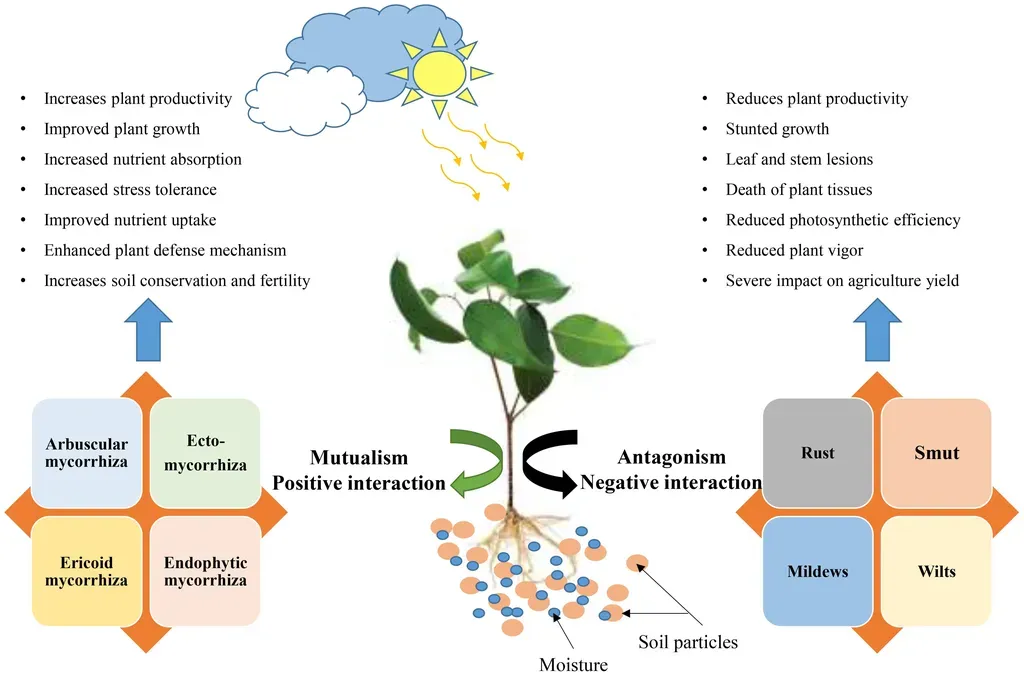
In the face of climate change and the pressing need for sustainable agriculture, scientists are turning to an age-old alliance: the symbiotic relationship between plants and beneficial microbes. A recent review published in *Plant Communications* sheds light on the molecular mechanisms that govern these interactions, offering a roadmap for leveraging microbes as biostimulants and bioprotection agents in modern farming.
The review, led by Juan Antonio López-Ráez from the Estación Experimental del Zaidín at the Consejo Superior de Investigaciones Científicas (CSIC) in Granada, Spain, delves into the intricate signaling and metabolic pathways that facilitate beneficial plant root–microbe interactions. These interactions include arbuscular mycorrhiza, rhizobium–legume symbiosis, ectomycorrhiza, and fungal and bacterial endophytic associations.
“Understanding these mechanisms is crucial for developing reliable and effective microbial-based agricultural strategies,” López-Ráez explains. The review highlights common molecular pathways that plants use to recognize beneficial microbes, absorb nutrients, and regulate the extent of symbiosis based on soil conditions and plant needs.
The potential commercial impacts of this research are substantial. As the agriculture sector seeks to reduce its reliance on chemically synthesized fertilizers and pesticides, beneficial microbes offer a sustainable alternative. However, the variable outcomes and benefits of microbial applications have posed challenges to their widespread adoption.
“By identifying the common mechanisms and knowledge gaps, we aim to promote the use of microbes, either individually or in consortia, within the framework of sustainable agriculture,” López-Ráez states. This could lead to the development of tailored microbial consortia that enhance crop productivity and resilience, reducing the need for chemical inputs and minimizing environmental pollution.
The review also underscores the importance of further research to fill existing knowledge gaps. As our understanding of these molecular mechanisms deepens, so too will our ability to harness the power of plant-microbe interactions for the benefit of agriculture and the environment.
In the quest for sustainable agrifood strategies, this research offers a promising path forward. By unlocking the secrets of plant-microbe symbiosis, we can cultivate a future where agriculture is not only productive but also protective of our planet’s precious biodiversity and water resources.