
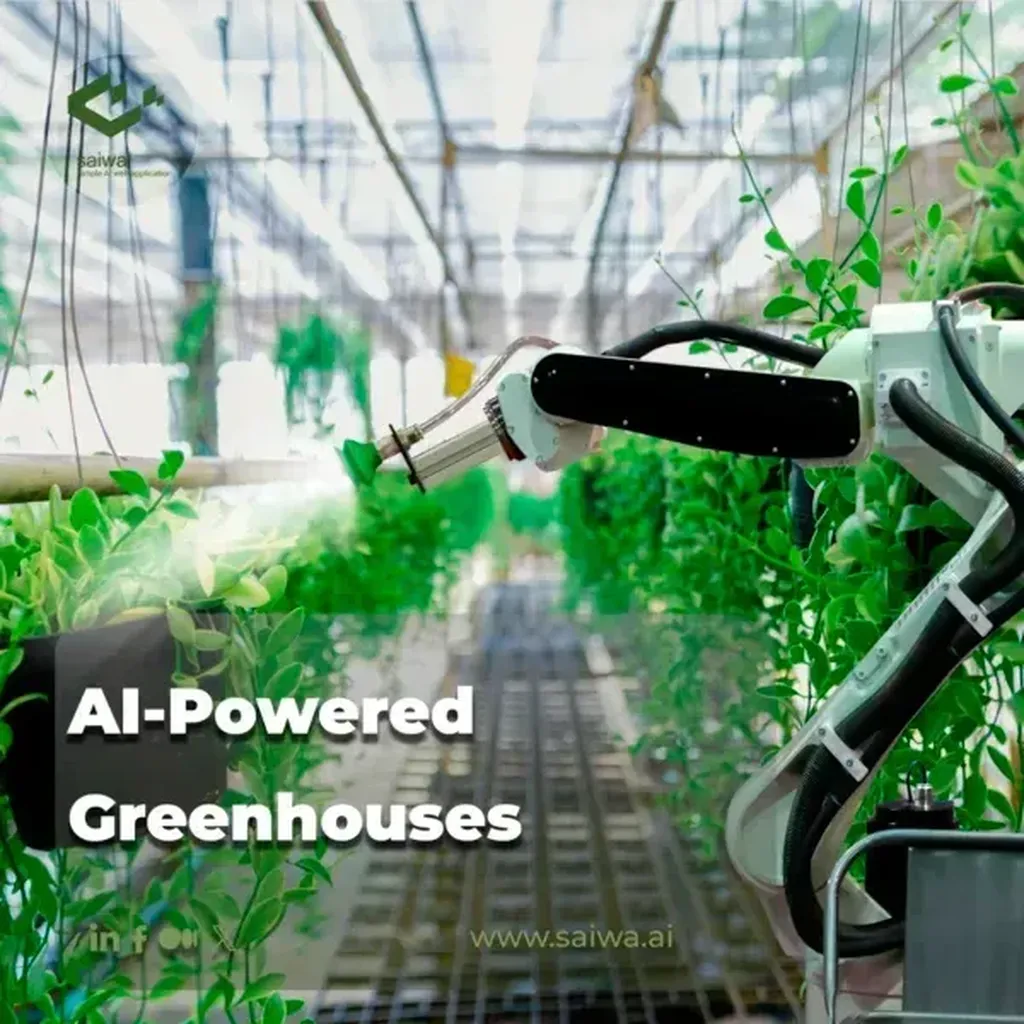
In the heart of Odisha, India, a team of researchers led by Soumya Ranjan Biswal at the School of Electrical Engineering, KIIT Deemed to be University, is tackling a pressing challenge in the agriculture sector: energy management in smart greenhouses. Their work, recently published in IEEE Access, offers a comprehensive review of AI-enabled energy management strategies that could revolutionize the way we approach controlled environment agriculture.
Greenhouses have long been a staple in agriculture, enabling year-round crop production by maintaining specific microclimates. However, this precision comes at a cost—energy. The rising prices of electricity, coupled with the intermittent nature of renewable energy sources, have made it increasingly difficult for greenhouse operators to maintain economic viability. Traditional energy management strategies, such as fixed rules or heuristic controls, often fall short in adapting to these challenges, lacking robustness and generalizability across different climates and crop requirements.
Enter AI-driven Demand Side Management (DSM) techniques. These advanced methods aim to align load operation with forecasted demand, renewable output, and market signals, offering a more adaptive and efficient approach to energy management. As Biswal explains, “Recent developments introduce hybrid AI-driven DSM frameworks that combine forecasting, optimization, and autonomous control using approaches such as Deep Learning (DL) based predictors, Model Predictive Control schedulers, and exploration Reinforcement Learning policies.”
The review systematically analyzes these methodological shifts, comparing different approaches in terms of predictive performance, computational overhead, and deployment feasibility. It highlights recurring challenges, such as limited transferability across climates, insufficient reporting of techno-economic outcomes, and weak validation against biological risk constraints. The researchers also propose potential solutions, including uncertainty quantification, domain adaptation, and assessment of reliability.
The implications of this research for the agriculture sector are significant. By optimizing energy use, these AI-driven strategies could reduce operational costs and improve the economic viability of smart greenhouses. Moreover, they could enhance the sustainability of these systems by maximizing the use of renewable energy sources. As the agriculture sector continues to grapple with the challenges of climate change and rising energy costs, these innovations could prove invaluable.
Looking ahead, the research outlines priorities for future studies, including standardized evaluation directions to support robust, scalable, and commercially relevant DSM adoption in smart greenhouse environments. As Biswal and his team continue to push the boundaries of AI in agriculture, their work could shape the future of controlled environment agriculture, making it more efficient, sustainable, and resilient.