
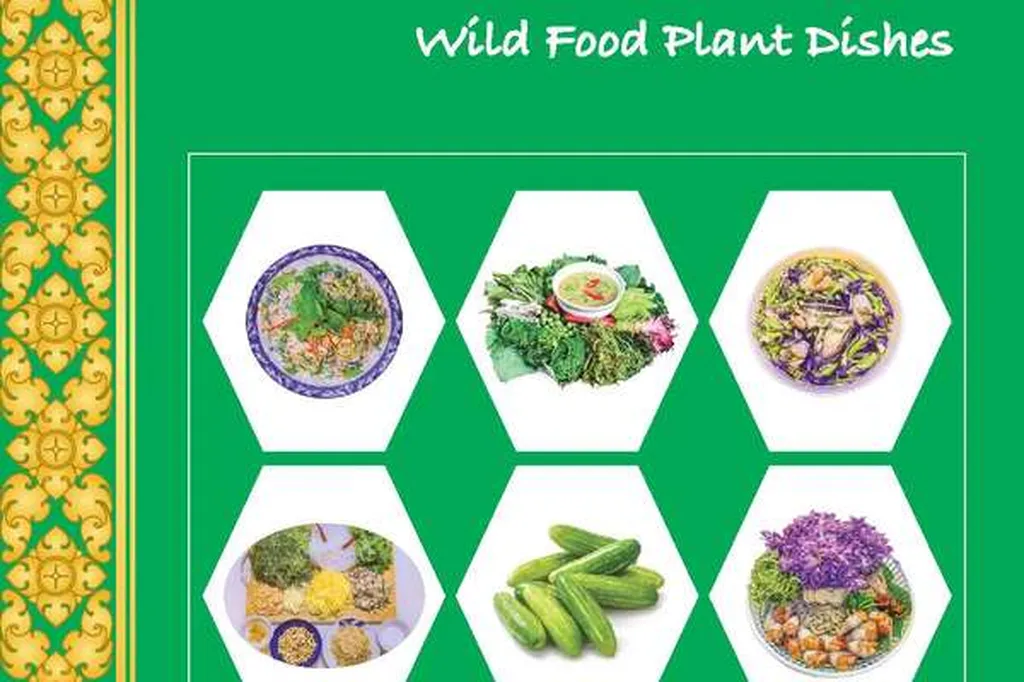
In the lush landscapes of Cambodia, a silent revolution is taking root, one that could reshape the way we think about food, nutrition, and education. A recent study published in *Frontiers in Sustainable Food Systems* has shed light on the potential of wild food plants (WFPs) to transform the diets and nutritional knowledge of secondary school students in the region. The research, led by Sreypich Chhun from the Center of Excellence on Sustainable Agricultural Intensification and Nutrition at the Royal University of Agriculture in Phnom Penh, offers a compelling glimpse into how targeted interventions can make a significant difference.
The study focused on assessing the impact of a combined nutrition and WFPs-focused training intervention on students’ nutrition knowledge (NK) and their perceptions of WFPs. The findings are striking. Students who received the training scored significantly higher in both NK and perceptions of WFPs compared to their non-trained peers. “This suggests that even brief, targeted training interventions can meaningfully improve both nutrition knowledge and perceptions of WFPs among Cambodian secondary school students,” Chhun noted.
The research involved 279 students from grades 7 through 11, covering an age range of 12 to 19 years. The trained students (TS) who received the intervention showed a notable improvement in their NK scores, although both groups still had poor overall NK scores. However, their perceptions of WFPs were quite positive, with trained students scoring higher than their non-trained counterparts.
One of the most intriguing findings was the significant positive correlation between NK and perceptions of WFPs. This suggests that as students’ knowledge about nutrition improves, so does their appreciation for the nutritional value of WFPs. “This correlation is crucial,” Chhun explained. “It indicates that education can play a pivotal role in changing attitudes and behaviors towards food.”
The study also identified several key predictors of high NK scores and positive perceptions of WFPs. For instance, maternal education positively influenced NK outcomes, while exposure to WFPs from home gardens and markets emerged as significant predictors of perceptions of WFPs. These findings offer critical insights for integrating nutrition-based WFPs into school curricula, which could serve as a foundation for dietary acceptance of WFPs among Cambodian youth.
The commercial impacts of this research could be profound. As awareness and acceptance of WFPs grow, there is potential for a new market to emerge. Farmers could diversify their crops to include these nutritionally rich plants, creating new revenue streams. Additionally, the agriculture sector could benefit from increased demand for WFPs, leading to more sustainable farming practices and improved food security.
The study also highlights the importance of education in shaping future food choices. By integrating nutrition education into school curricula, we can empower the next generation to make informed decisions about their diets. This could have far-reaching implications for public health, as better nutrition knowledge can lead to healthier eating habits and improved overall health.
As we look to the future, this research offers a roadmap for how we can leverage education to promote sustainable and nutritious food choices. It is a reminder that the solutions to some of our most pressing challenges often lie in the most unexpected places—like the wild plants growing in our backyards. With continued investment in education and research, we can unlock the full potential of WFPs and create a healthier, more sustainable future for all.
The study, led by Sreypich Chhun from the Center of Excellence on Sustainable Agricultural Intensification and Nutrition at the Royal University of Agriculture in Phnom Penh, was published in *Frontiers in Sustainable Food Systems*.