
In the heart of China’s vast countryside, a digital revolution is taking root, and its tendrils are reaching deep into the agricultural sector, promising to reshape the economic landscape. A recent study published in *Frontiers in Sustainable Food Systems* has shed light on the transformative power of rural digitalization, offering a beacon of hope for developing countries striving to bridge the digital divide and boost agricultural economic development.
The research, led by Jiangqin Peng of the Business School at Jiangxi Institute of Fashion Technology, delves into the impact of China’s Digital Village Policy, a sweeping initiative aimed at bringing the benefits of digital technologies to rural areas. By analyzing panel data from county-level areas across China between 2011 and 2022, Peng and her team employed a quasi-experimental design and the difference-in-differences (DID) method to estimate the causal impact of the policy.
The findings are nothing short of compelling. Rural digitalization, it turns out, is a potent catalyst for agricultural economic growth. “Our results indicate that the digital village policy significantly promotes agricultural economic development,” Peng said, underscoring the robustness of the findings across various model specifications and tests. This is not just about connecting rural areas to the internet; it’s about unlocking new pathways to prosperity.
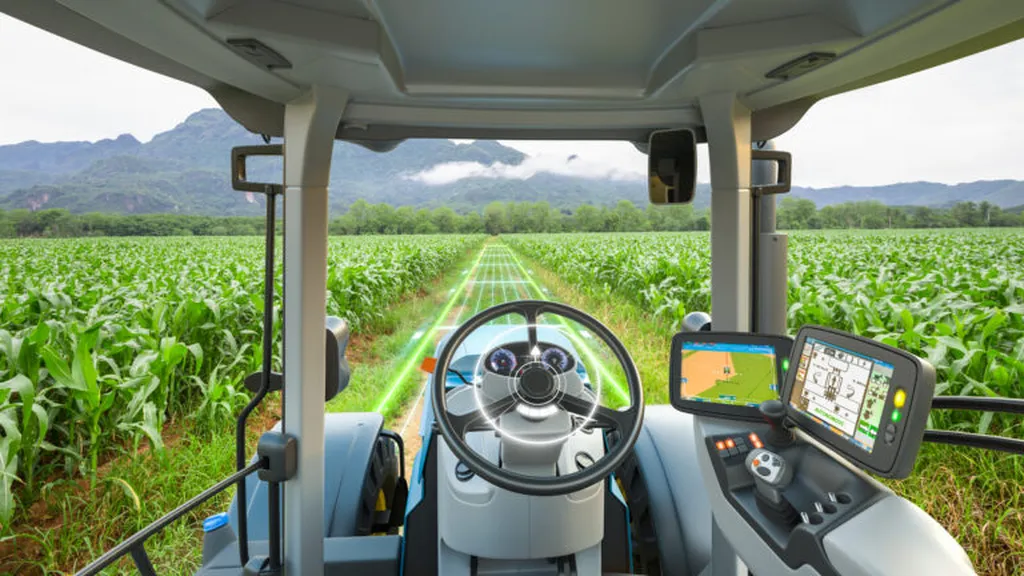
So, how does this digital transformation translate into economic gains? The study identifies three key transmission channels. First, digitalization enhances agricultural productivity. By providing farmers with access to real-time data, precision farming techniques, and digital marketplaces, the policy empowers them to make more informed decisions, optimize resource use, and ultimately increase yields.
Second, the policy accelerates the urbanization process. As rural areas become more connected, they become more attractive to businesses and investors, creating new economic opportunities and driving growth. This urban-rural integration can lead to a more balanced and sustainable development model, benefiting both rural and urban economies.
Third, digitalization strengthens county-level innovation capacity. By fostering a culture of innovation and providing access to cutting-edge technologies, the policy encourages local entrepreneurs and businesses to develop new products, services, and business models. This innovation-driven growth can create new industries and jobs, further boosting agricultural economic development.
The study also reveals that the policy effect is strongest in western China, a region that has traditionally lagged behind in economic development. This suggests that digitalization can play a crucial role in reducing regional disparities and promoting more inclusive growth.
For the agricultural sector, the implications are profound. As Peng notes, “Digital village construction drives agricultural economic growth through multifaceted pathways.” This means that by investing in digital infrastructure and technologies, governments and businesses can unlock new opportunities for growth and innovation in the agricultural sector.
Looking ahead, this research could shape future developments in the field by providing a roadmap for optimizing smart agriculture initiatives and digital village strategies. It offers practical policy implications not just for China, but also for other developing regions aiming to achieve sustainable agricultural transformation.
In an era where digital technologies are reshaping every aspect of our lives, it’s clear that rural areas cannot be left behind. As this study demonstrates, digitalization is not just about connecting people; it’s about empowering them to build a better future. And in the agricultural sector, that future looks brighter than ever.