
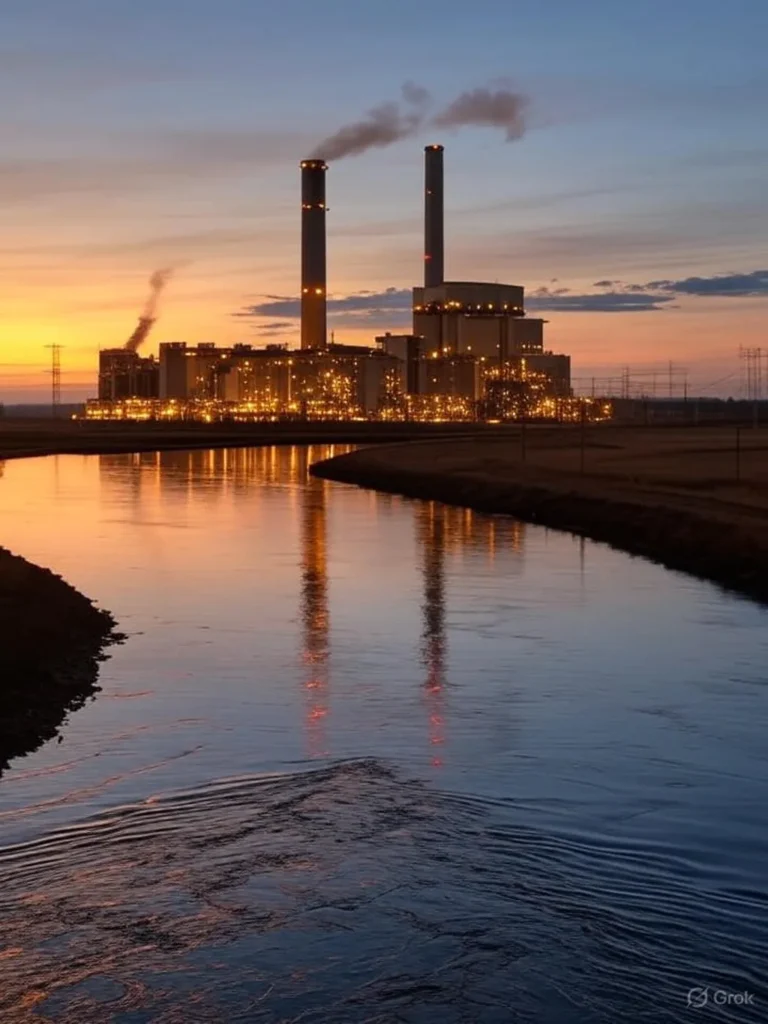
The burgeoning demand for energy from data centers is having a significant impact on the U.S. energy landscape, with coal plants finding a new lease on life. According to BloombergNEF, U.S. data centers are predicted to consume up to 106 gigawatts of power by 2035, a substantial increase from the 35 gigawatts consumed in 2024. This surge in demand is prompting power utilities to cite the spread of data centers as a rationale to keep coal plants online, a trend that has been losing ground to solar, wind, and natural gas for decades.
Chris Womack, the head of power utility Southern Company, recently stated at an industry conference, “We’re going to extend coal plants as long as we can because we need those resources on the grid.” This sentiment is echoed in the recent DeSmog analysis of Energy Department data, which reveals that since the beginning of last year, at least 15 coal plants have had their planned retirements delayed, some indefinitely. Notably, a plant in Michigan was ordered to remain open by Secretary of Energy Chris Wright, citing an “emergency” energy shortage.
Wright has been vocal about the role of coal in powering the nation’s reindustrialization and winning the A.I. race. In September, he stated, “Coal will be essential to powering America’s reindustrialization and winning the A.I. race.” However, Wright has also looked to nuclear energy as a way to meet the growing demand from data centers. Globally, nuclear energy is gaining momentum, with 15 nuclear reactors slated to go online worldwide this year, up from just two in 2025, according to BNEF. Another 50 reactors are due to be switched on before 2030.
Despite the potential boost from A.I., analysts caution that U.S. nuclear may struggle to compete with other forms of electricity. Nuclear plants take years to plan and build and rarely finish ahead of schedule. BNEF analyst Chris Gadomski noted, “Unless the nuclear industry responds quickly, this opportunity may be lost to fossil fuels and renewables.”
For the agriculture sector, the implications of this energy shift are multifaceted. The continued reliance on coal plants could lead to increased carbon emissions, which may exacerbate climate change and its impact on agriculture. Additionally, the focus on meeting the energy demands of data centers could divert resources and attention away from developing sustainable and efficient energy solutions for the agriculture industry.
For investors, the situation presents both opportunities and challenges. The extension of coal plants and the potential growth of nuclear energy could create investment opportunities in these sectors. However, the long-term viability of these investments is uncertain, given the ongoing transition towards renewable energy sources. Investors will need to carefully weigh the risks and benefits of these opportunities in the context of the broader energy landscape and the growing demand for sustainable and efficient energy solutions.