
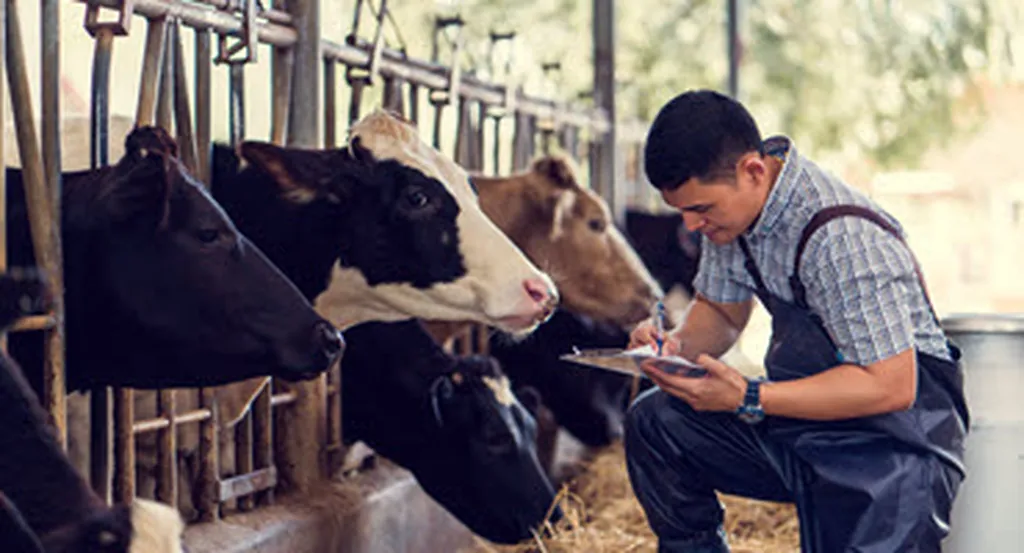
In the heart of the farm, where the well-being of animals and their caretakers intertwine, a new study published in *Animal Welfare* sheds light on the intricate relationship between farmer well-being and animal welfare. Led by Pierre Levallois from the University of Montreal, the research underscores the importance of a holistic approach to farming, where the health and happiness of farmers are just as crucial as those of their livestock.
The study, a scoping review of existing research, aimed to map the methods used to describe the relationships between farmer well-being and animal welfare. It also sought to compile evidence of such relationships. The findings revealed a significant gap in standardized methods, with different questionnaires used to assess similar constructs, such as psychological stress. This lack of standardization makes cross-study comparisons challenging.
However, the review compiled 94 pieces of evidence regarding the relationships between farmer well-being and animal welfare. Remarkably, 93 of these pieces described positive associations. “Improved farmer well-being was associated with improved welfare of their animals, and vice versa,” noted Levallois. This suggests that strategies to improve welfare on farms should address both animal welfare and farmer well-being.
The implications for the agriculture sector are profound. Farmers are key stakeholders in the implementation of animal welfare practices, and their well-being directly impacts the welfare of their animals. Addressing farmer well-being could lead to better animal welfare outcomes, which in turn can enhance productivity and sustainability on farms.
The study supports a One Welfare approach on commercial farms, which recognizes the interconnections between animal welfare, human well-being, and environmental health. This approach could shape future developments in the field, encouraging a more integrated and sustainable agricultural system.
As the agriculture sector continues to evolve, the findings of this study serve as a reminder of the importance of considering the well-being of all stakeholders, both human and animal. By addressing the needs of farmers, we can create a more sustainable and productive agricultural system that benefits everyone.
The research, led by Pierre Levallois from the Department of Clinical Sciences at the University of Montreal and the Centre for Studies on Human Stress, highlights the need for a more holistic approach to farming. By recognizing the interconnectedness of farmer well-being and animal welfare, we can pave the way for a more sustainable and productive future in agriculture.