
In the ever-evolving landscape of agriculture, a new study published in *Frontiers in Sustainable Food Systems* is making waves, offering a fresh perspective on how farmers can navigate the complexities of regenerative agriculture amidst shifting policy environments. The research, led by Abdullah Mohammad Ghazi Al Khatib from the Department of Banking and Financial Institutions at Al-Sham Private University in Damascus, Syria, delves into the intricate web of farmers’ rights, contract farming, and the push towards sustainable practices.
Regenerative agriculture, a holistic approach aimed at rebuilding soil organic matter and restoring degraded soil biodiversity, has gained traction as a solution to the environmental challenges facing modern farming. However, the path to adoption is fraught with hurdles, including policy uncertainties and economic pressures. Al Khatib’s research underscores the importance of understanding these challenges to foster a supportive ecosystem for farmers.
“Farmers are at the heart of this transition,” Al Khatib asserts. “But they need the right policies, market incentives, and contractual frameworks to make regenerative agriculture viable. Without these, the shift towards sustainability will be slow and uneven.”
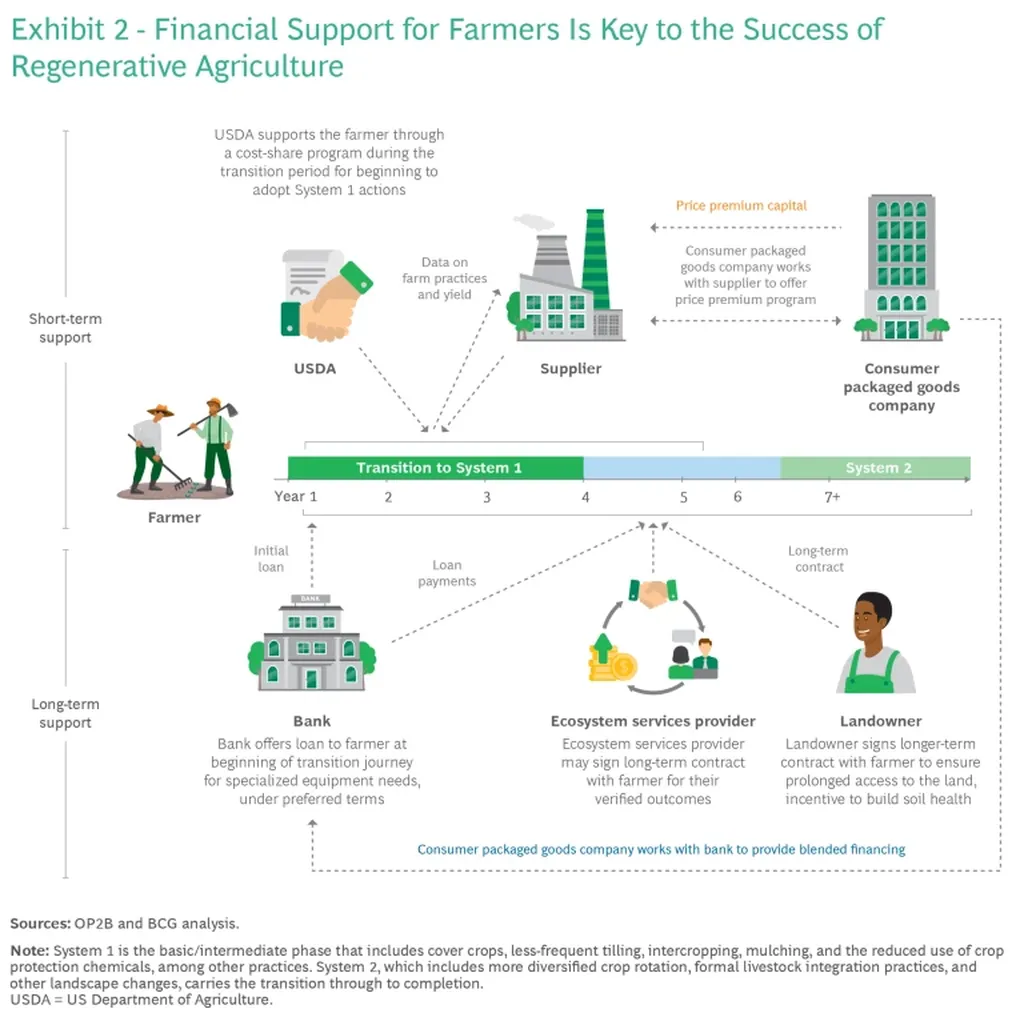
The study highlights the role of contract farming in providing farmers with stable incomes and access to markets, thereby encouraging them to adopt regenerative practices. However, it also warns of potential pitfalls, such as unequal power dynamics and lack of legal protections, which can undermine farmers’ rights and livelihoods.
One of the most thought-provoking aspects of the research is its emphasis on the need for policy environments that are both supportive and adaptable. As Al Khatib explains, “Policies should not only encourage regenerative agriculture but also evolve with the changing needs of farmers and the environment. This requires a dynamic and inclusive approach to policy-making.”
The commercial impacts of this research are significant. For the agriculture sector, the shift towards regenerative practices could open up new markets for sustainable and ethically produced goods. It could also drive innovation in farming technologies and techniques, creating new opportunities for agribusinesses and startups.
Moreover, the study’s focus on farmers’ rights and livelihoods could reshape the way agribusinesses engage with smallholder farmers, fostering more equitable and sustainable partnerships. As the global demand for sustainable food continues to grow, these partnerships could become a key driver of commercial success.
Looking ahead, this research could shape future developments in agricultural policy, contract farming, and regenerative practices. By providing a comprehensive analysis of the challenges and opportunities in this field, it offers a roadmap for stakeholders to navigate the complex landscape of sustainable agriculture.
As the world grapples with the urgent need to address climate change and environmental degradation, studies like this one are more important than ever. They not only shed light on the complexities of the issue but also offer practical solutions and insights to guide the way forward. In the words of Al Khatib, “The future of agriculture lies in our ability to adapt, innovate, and collaborate. And it starts with supporting our farmers.”