
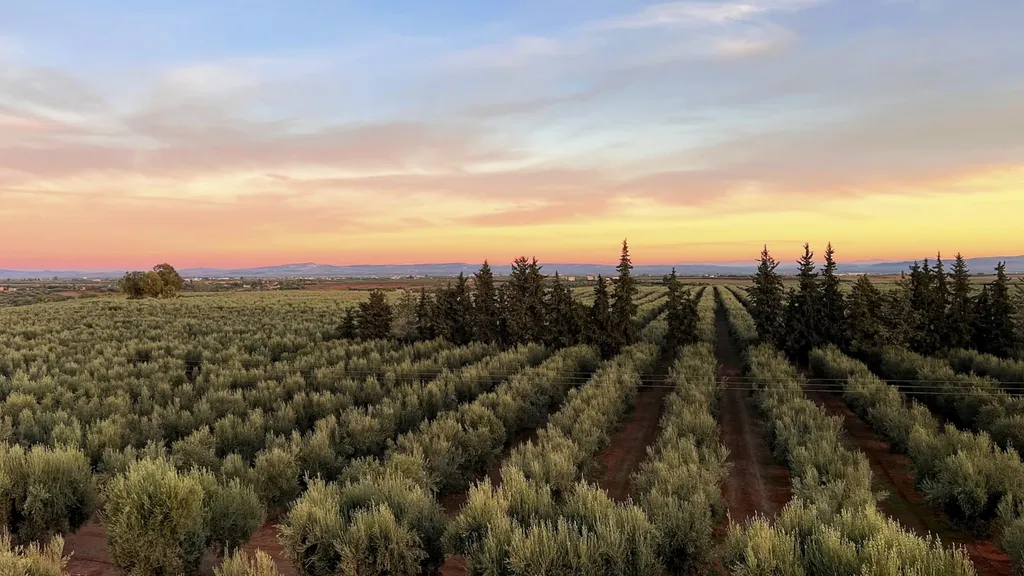
In the heart of Morocco, a team of researchers led by Imane EL Houssni from the Botany and Valorization of Plant Resources Team at Mohammed V University in Rabat is pioneering a new approach to agriculture that could revolutionize the way we cultivate one of the world’s most beloved crops: the olive tree. Their work, recently published in the *Journal of Agriculture and Food Research*, delves into the intricate world of the olive’s endophytic microbiota, a community of symbiotic microorganisms that reside within the plant, offering a treasure trove of biotechnological potential.
The olive tree, a staple of Mediterranean agriculture for millennia, harbors a complex ecosystem of microorganisms within its tissues. These endophytes play crucial roles in the tree’s health, resilience, and productivity. EL Houssni and her team are exploring how we can harness this natural partnership to enhance olive cultivation, a sector worth billions of dollars globally.
“By understanding and manipulating these microbial communities, we can develop more sustainable and efficient agricultural practices,” EL Houssni explains. This approach, known as ecological engineering, involves two main strategies: “Top-Down” and “Bottom-Up.” Top-Down strategies focus on modifying the environment to favor beneficial microbes, while Bottom-Up approaches involve introducing specific strains or synthetic microbial communities (SynComs) to achieve desired outcomes.
The implications for the agriculture sector are profound. By engineering the olive’s endophytic microbiota, farmers could enhance their crops’ resistance to pests and diseases, reducing the need for chemical pesticides and fertilizers. This not only cuts costs but also promotes more sustainable farming practices, a growing priority in an era of climate change and environmental awareness.
Moreover, the research opens doors to improving the quality and nutritional value of olive products. “We’re not just talking about increasing yield,” EL Houssni notes. “We’re talking about enhancing the organoleptic and nutraceutical qualities of olives and olive oil, which could significantly boost their market value.”
The advent of omics technologies and genome-editing tools like CRISPR-Cas has made this research possible. These technologies allow scientists to characterize microbial ecosystems in unprecedented detail and design microbiomes with enhanced functionalities. The potential applications are vast, ranging from developing biocontrol agents to optimizing agronomic performance and bioprospecting for high-value metabolites.
As the world grapples with the challenges of feeding a growing population sustainably, research like EL Houssni’s offers a glimpse into the future of agriculture. By working with nature rather than against it, we can create more resilient, productive, and sustainable food systems. The olive tree, a symbol of peace and prosperity, may soon also become a symbol of agricultural innovation.