
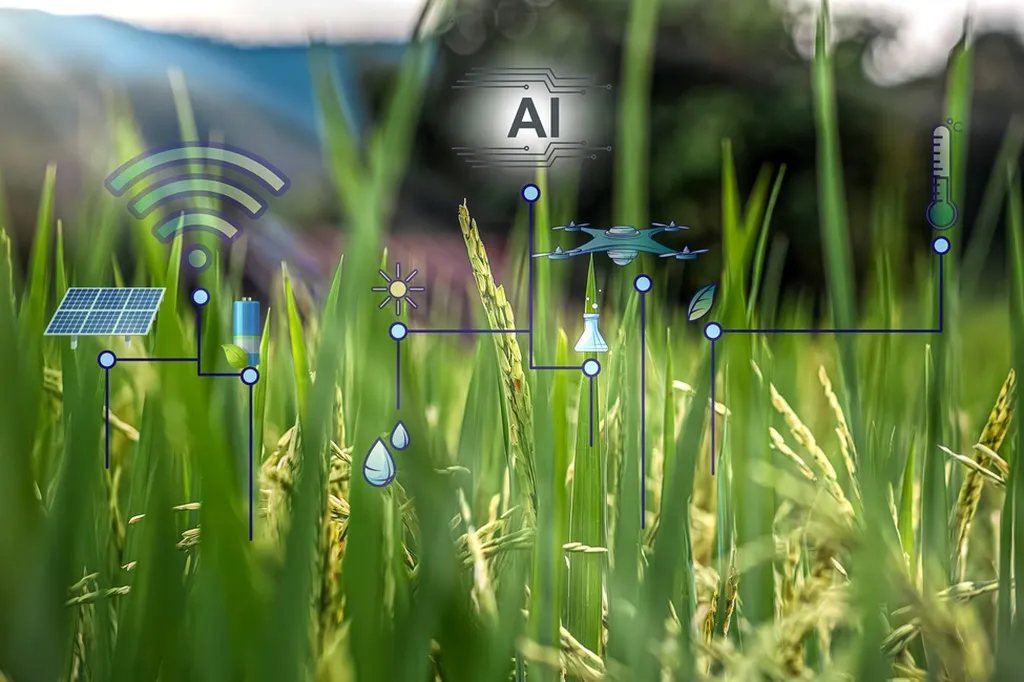
In the rapidly evolving world of agriculture, technology is playing an increasingly pivotal role, transforming traditional farming practices into smart, data-driven operations. A recent comprehensive survey published in *Franklin Open* delves into the applications, techniques, threats, and security countermeasures in smart farming, offering valuable insights for farmers, researchers, and stakeholders alike.
The survey, led by Simon Yusuf Enoch from the Technology and Innovation department at Whitecliffe in New Zealand, highlights the technological breakthroughs that have revolutionized farming. Modern technologies such as the Internet of Things (IoT), the Internet of Underground Things (IoUT), Unmanned Aerial Vehicles (UAV), Big Data Analytics, and Machine Learning have significantly accelerated farm operations. However, the survey also underscores the lack of a comprehensive overview of these technologies, their applications, and the associated security challenges.
“Smart farming is not just about adopting new technologies; it’s about understanding their implications and ensuring their secure and efficient use,” Enoch explains. The survey aims to bridge this gap by providing an in-depth analysis of the techniques and applications of smart agriculture, along with the security issues and countermeasures that farmers need to be aware of.
One of the key findings of the survey is the prevalence of security threats in smart agricultural systems. Data breaches, cyberattacks on IoT devices, and unauthorized system access are significant concerns that can compromise the reliability of these systems. The survey emphasizes the importance of understanding these threats and implementing robust security measures to mitigate them.
The commercial impact of this research is substantial. For farmers, the survey serves as a guide to adopting secure and efficient agricultural technologies. By understanding the potential security risks and the countermeasures available, farmers can make informed decisions that enhance the productivity and sustainability of their operations.
For researchers, the survey identifies gaps in the current literature and outlines future research directions. This includes the development of enhanced security frameworks and innovative solutions that can further advance the field of smart agriculture. The survey also highlights the importance of cybersecurity, sustainable technology integration, and policy development to support agricultural digitization.
As the agriculture sector continues to embrace smart technologies, the insights provided by this survey will be crucial in shaping future developments. By addressing the critical aspects of security and sustainability, the research aims to contribute to a safer and more resilient smart farming ecosystem.
In the words of Enoch, “The future of smart farming lies in our ability to integrate technology securely and sustainably. This survey is a step towards achieving that goal.” As the agriculture sector continues to evolve, the findings of this research will undoubtedly play a pivotal role in guiding the adoption of smart technologies and ensuring their secure and efficient use.