
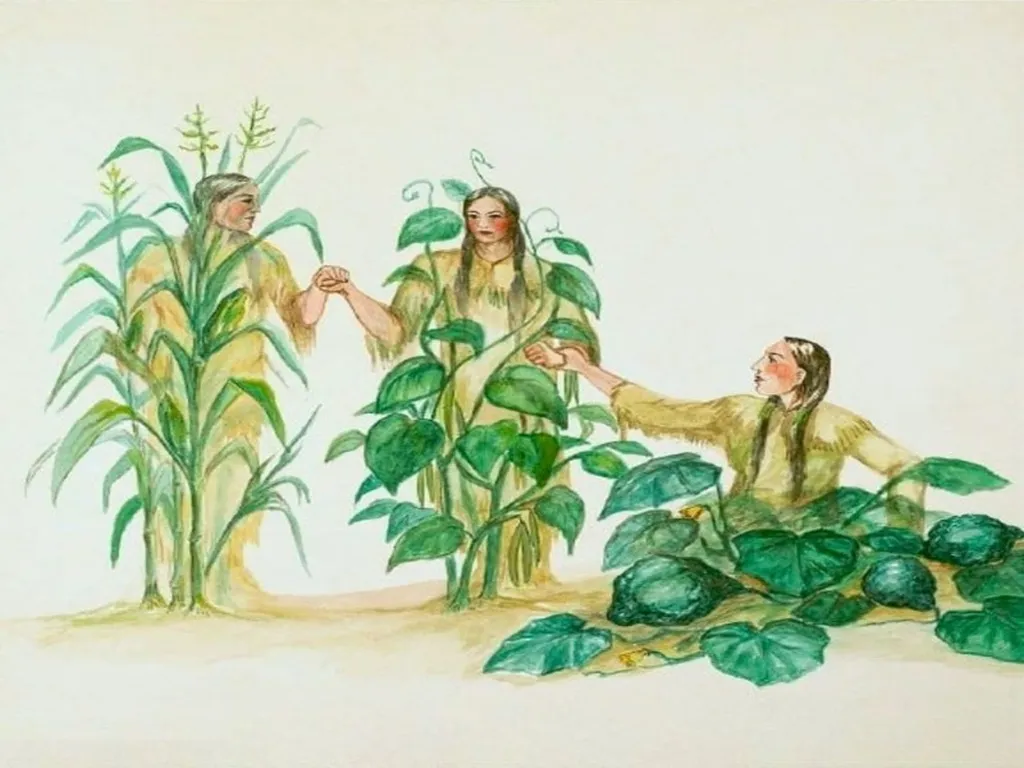
In the ever-evolving landscape of agriculture, a remarkable fusion of ancient wisdom and cutting-edge technology is taking center stage. The Three Sisters farming method, a traditional practice originating from North American indigenous communities, is experiencing a resurgence, thanks to modern mechanization. This innovative approach is not only increasing crop yields but also promoting sustainable agriculture, addressing the dual challenge of feeding a growing global population while protecting the environment.
The Three Sisters method involves interplanting corn, beans, and squash. Corn provides a sturdy stalk for beans to climb, beans fix atmospheric nitrogen enriching the soil, and squash spreads across the ground, suppressing weeds and retaining moisture. This symbiotic relationship enhances soil fertility, reduces the need for synthetic fertilizers and herbicides, and optimizes land use. When combined with modern tractor-based systems, this method becomes even more effective.
Integrating modern tractor-based methods with Three Sisters agriculture can boost yield, reduce chemical input, and support ecosystem health, aligning perfectly with future global agroecological goals. “Tractor-based Three Sisters farming increases crop yield by up to 30% compared to traditional planting methods,” says a recent study. This significant increase in yield is a game-changer for farmers worldwide, offering a sustainable way to meet the growing food demand.
Moreover, modern mechanized techniques can reduce soil erosion by nearly 40% in sustainable Three Sisters agriculture systems. This is a substantial environmental benefit, as soil erosion is a major challenge in agriculture, leading to loss of fertile land and degradation of water quality. By reducing soil erosion, farmers can maintain the health of their land for future generations.
The adoption of mechanized Three Sisters farming systems can improve efficiency and sustainability metrics, increasingly demanded by food processors, investors, and stakeholders committed to ESG goals. This shift towards sustainable agriculture is not just beneficial for the environment but also makes good business sense. It attracts investment, enhances food security, and ensures the long-term viability of farming practices.
In conclusion, the integration of modern tractor-based methods with the Three Sisters farming method offers a promising path towards sustainable agriculture. It increases crop yields, reduces chemical input, supports ecosystem health, and reduces soil erosion. As we look towards the future of agriculture, this fusion of tradition and innovation provides a beacon of hope for feeding the world sustainably.