
In the heart of the Peruvian Amazon, a silent battle is unfolding beneath our feet. Soil organic carbon (SOC), a tiny yet mighty component of our planet’s ecosystem, is playing a crucial role in the fight against climate change and the enhancement of soil fertility. A recent study published in the *International Journal of Agronomy* sheds light on the intricate dance of SOC variability and its relationship with soil properties and nutrients in tropical cropping systems.
The research, led by Richard Solórzano from the Directorate of Supervision and Monitoring of Agricultural Experimental Stations, delves into the agricultural ecosystems of the San Martín and Loreto regions in Eastern Peru. The study evaluated four representative cropping systems: coffee grown in agroforestry and polyculture systems, maize as a monoculture, and camu-camu and cocoa cultivated in monoculture and agroforestry systems, respectively.
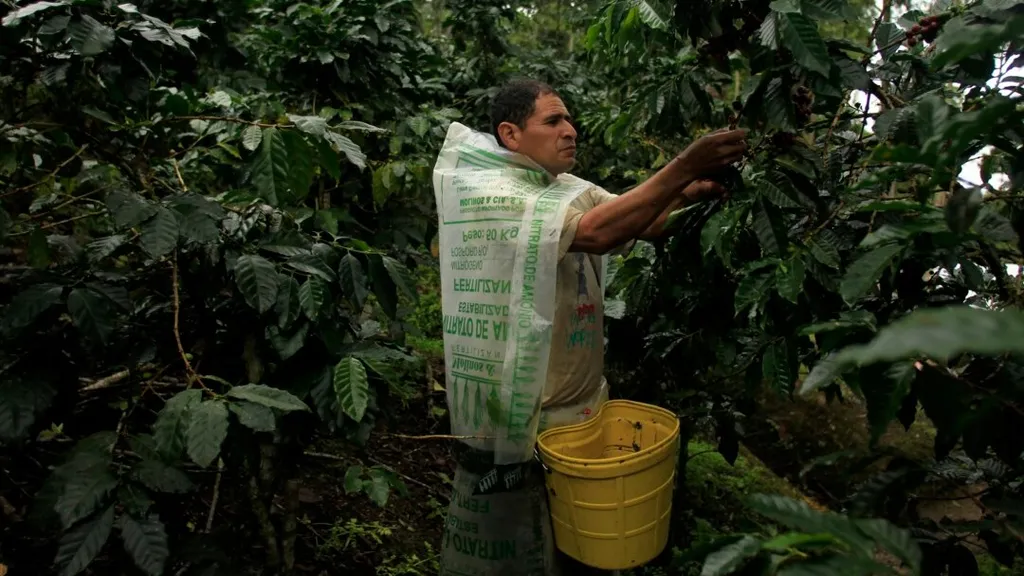
The findings are a testament to the significant influence of crop type and management practices on carbon and nutrient dynamics in tropical soils. “The highest SOC content, phosphorus, and moisture were observed in coffee-growing soils,” Solórzano explains. This is likely due to the presence of shade trees that enhance organic matter inputs in soils at 0–20 cm depth. In contrast, soils under maize cultivation exhibited the highest levels of nitrogen, potassium, and pH, likely due to the frequent fertilization applied to this crop.
The study also revealed the lowest carbon saturation deficits in soils under camu-camu, cocoa, maize, and coffee, with the most pronounced deficits occurring in camu-camu and cocoa soils in Yurimaguas (Loreto). This indicates a heightened vulnerability to carbon loss in these areas.
The commercial implications of this research are profound. Understanding the dynamics of SOC can help farmers and agricultural businesses make informed decisions about crop selection and management practices. For instance, the study suggests that incorporating shade trees in coffee plantations can significantly enhance SOC content, leading to improved soil fertility and potentially higher yields.
Moreover, the findings underscore the importance of long-term studies to assess carbon sequestration over extended periods. This information can guide sustainable soil management policies, ensuring the long-term viability of agricultural systems in the Peruvian Amazon and beyond.
As we grapple with the challenges of climate change and food security, studies like this one provide valuable insights into the complex interplay between agriculture, soil health, and the environment. They remind us that the solutions to some of our most pressing global issues may lie beneath our feet, in the rich, complex world of the soil.
The research, published in the *International Journal of Agronomy* and led by Richard Solórzano from the Directorate of Supervision and Monitoring of Agricultural Experimental Stations, offers a glimpse into the future of sustainable agriculture. It’s a future where farmers, scientists, and policymakers work together to harness the power of soil organic carbon, ensuring a healthier planet and a more secure food supply for generations to come.