
In a world grappling with climate change, resource depletion, and population growth, the agricultural sector is under immense pressure to adapt and innovate. A recent report by the World Economic Forum, titled “Shaping the Deep-Tech Revolution in Agriculture,” sheds light on the potential of seven frontier technologies to revolutionize the industry. The report, discussed in an article by India Narrative on January 10, 2026, highlights the urgent need for a fundamental shift in how food is produced, managed, and distributed.
The challenges facing agriculture today are multifaceted and interconnected. Climate volatility, a shrinking agricultural workforce, soil degradation, falling groundwater tables, and geopolitical uncertainty are just a few of the issues farmers and food companies are contending with. Nearly one-third of the world’s soils are already degraded, and groundwater levels are dropping in 71% of major aquifers worldwide. With the global population projected to reach almost 10 billion by 2050, the demand for food is set to skyrocket. These crises underscore the need for exponential gains in agricultural productivity and sustainability.
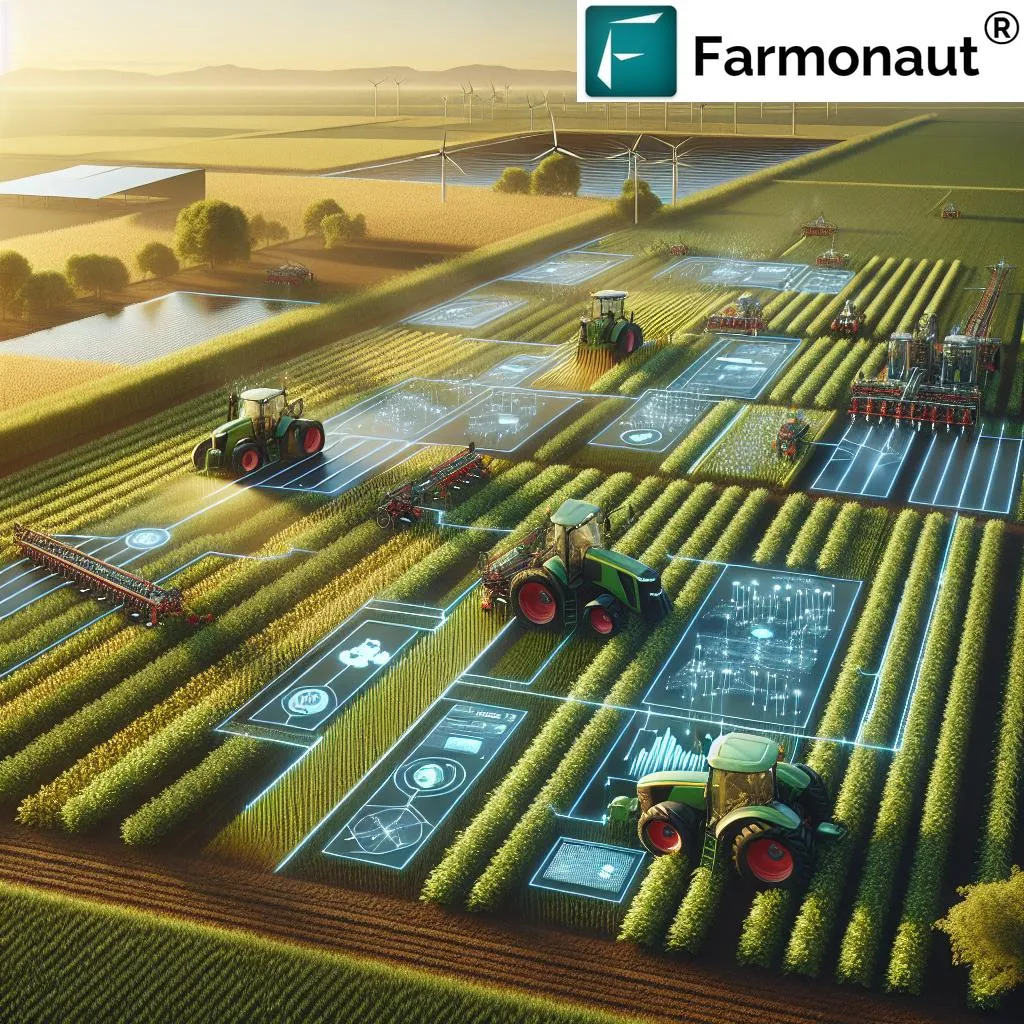
The World Economic Forum’s report identifies seven frontier technology domains that could derisk food production and drive this much-needed transformation. These domains include Generative AI, Computer Vision, Edge Internet of Things, Satellite-enabled Remote Sensing, Robotics and autonomous systems, CRISPR-based gene editing, and Nanotechnology. Each of these technologies offers unique capabilities that can enhance every stage of the agricultural value chain, from seed to soil to supply chain.
Generative AI, for instance, can optimize crop yields by analyzing vast amounts of data and generating predictive models. Computer Vision and Satellite-enabled Remote Sensing can provide real-time monitoring of crops and soil health, enabling precision agriculture. Robotics and autonomous systems can automate labor-intensive tasks, addressing the shrinking agricultural workforce. CRISPR-based gene editing holds the promise of developing crops that are more resilient to climate change and pests. Nanotechnology can improve the efficiency of fertilizers and pesticides, reducing environmental impact.
The implications of these technological advancements are profound. They represent a new paradigm of tools that can transform agriculture into a more sustainable, efficient, and resilient industry. However, realizing this potential requires concerted efforts from governments, private sector, and academia. Policies that foster innovation and investment in deep-tech agriculture are crucial. Collaboration between technology developers, farmers, and food companies can ensure that these technologies are accessible and beneficial to all stakeholders.
India, with its vast agricultural landscape and growing tech-savvy population, is well-positioned to lead this deep-tech revolution. The country has already made significant strides in agricultural innovation, from the Green Revolution to the adoption of digital farming techniques. To maintain this momentum, India needs to invest in research and development, create a supportive regulatory environment, and promote public-private partnerships. By doing so, India can not only secure its food future but also emerge as a global leader in deep-tech agriculture.
In conclusion, the deep-tech revolution in agriculture is not just a possibility but a necessity. The World Economic Forum’s report provides a roadmap for harnessing the power of frontier technologies to address the pressing challenges facing the agricultural sector. For India, this is an opportunity to leverage its strengths and lead the way in shaping a sustainable and food-secure future.