
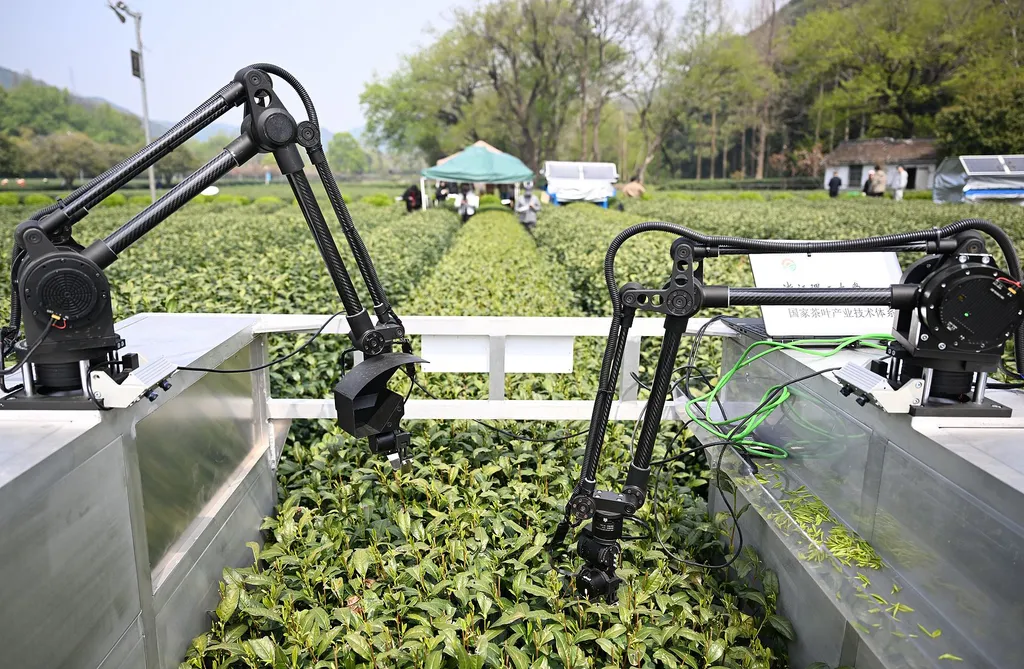
In the heart of China’s vast rural landscapes, a quiet revolution is taking root, one that promises to reshape the future of agriculture and rural communities. A recent study published in *Discover Artificial Intelligence* explores how big data and smart agriculture could be the catalysts for China’s rural revitalization, offering a glimpse into a future where technology and tradition intersect to create sustainable, productive farmlands.
The Chinese agricultural sector has long grappled with challenges such as low productivity, inefficient resource management, and environmental degradation. However, a new wave of technologies—digitization, networking, and artificial intelligence (AI)—is transforming traditional farming methods, enabling real-time monitoring, predictive analytics, and optimized resource allocation. These innovations not only boost crop yields but also enhance environmental sustainability, a critical factor in the long-term viability of rural economies.
At the forefront of this transformation is Xiaoxue Fan, a researcher from the College of Institute of Marxism at Jilin Agricultural Science and Technology College. Fan’s study introduces a simulated framework that leverages deep learning models, specifically Bidirectional Long Short-Term Memory (BiLSTM) networks, to create an intelligent crop recommendation and fertilizer optimization system. This system focuses on balancing the NPK (Nitrogen, Phosphorus, Potassium) nutrient concentrations, a crucial aspect of soil health and crop productivity.
“The integration of big data and AI in agriculture is not just about increasing yields; it’s about creating a sustainable ecosystem that benefits farmers, communities, and the environment,” Fan explains. “Our framework demonstrates the computational viability of data-driven farming systems, paving the way for real-world applications in Chinese agriculture.”
The implications of this research are profound. By optimizing resource use and improving decision-making processes, data-driven farming systems can enhance productivity and sustainability. This, in turn, can lead to increased incomes for farmers and improved living standards in rural areas. The study’s simulated framework, while not yet verified with regional data, provides a robust foundation for future research and practical implementation.
“The potential of digital agriculture to revitalize rural areas is immense,” Fan adds. “It’s about empowering farmers with the tools they need to make informed decisions, ultimately contributing to the broader goal of rural revitalization.”
As China continues to invest in smart agriculture and big data technologies, the findings of this study could shape the future of rural development. The integration of AI and data analytics in farming practices offers a pathway to sustainable growth, ensuring that rural communities thrive in the face of modern challenges.
With the agricultural sector poised for a digital transformation, the work of researchers like Xiaoxue Fan highlights the critical role of innovation in shaping a more sustainable and productive future for China’s rural landscapes. As the country moves forward, the intersection of technology and agriculture will undoubtedly play a pivotal role in achieving the goals of rural revitalization and economic prosperity.