
In the quest for sustainable agriculture, researchers are turning to nature’s own toolkit for solutions. A recent study published in the *Kashmir Journal of Science* has shed light on the intriguing relationship between garden cress (Lepidium sativum) and pea plants (Pisum sativum), revealing how a simple aqueous extract could hold the key to natural growth enhancement. Led by Rizwan Maqbool, the research delves into the hormetic response of peas to garden cress extract, offering promising insights for the agriculture sector.
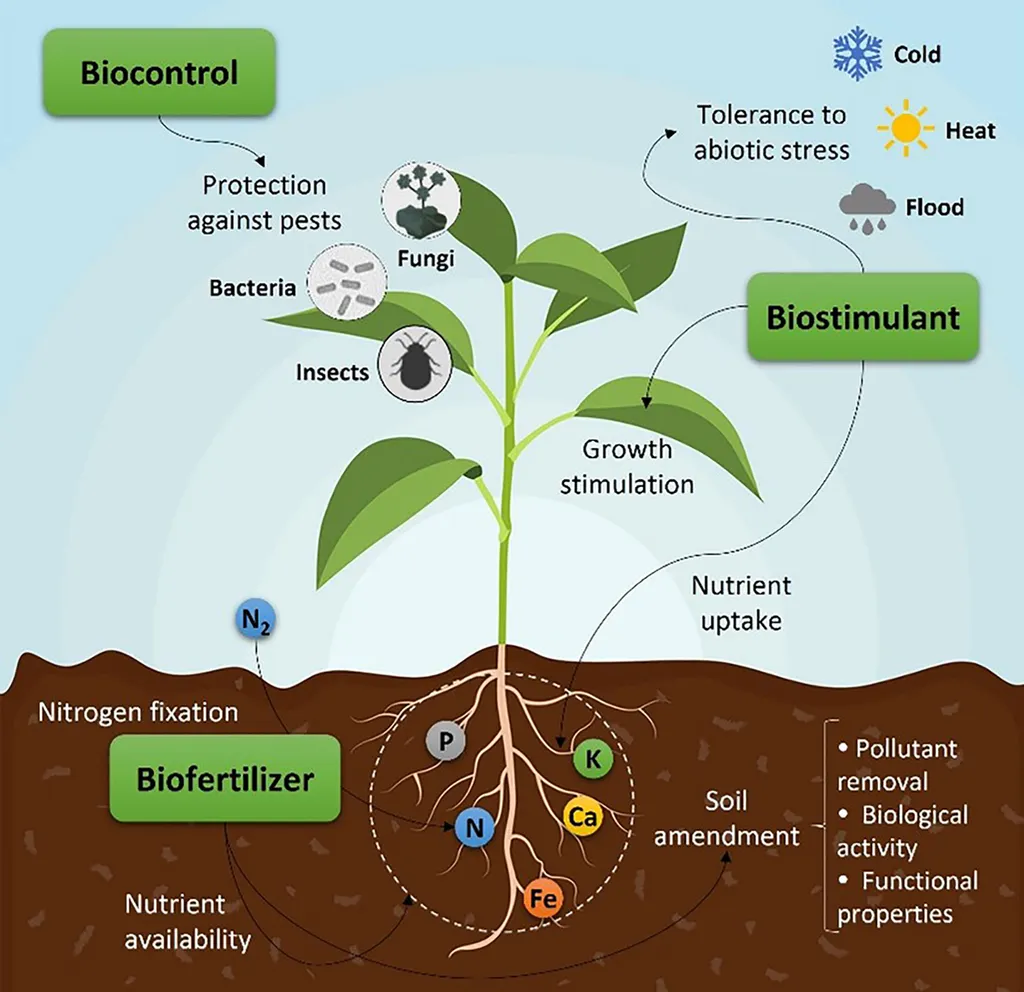
The study explores the allelopathic effects of garden cress, a phenomenon where one plant affects the growth of another. By examining the root extract of garden cress, the researchers found that low concentrations (2.5% to 10%) significantly boosted the root and shoot length, as well as the fresh weight of pea plants. “We observed that the extract acted as a bio-stimulant at lower concentrations, promoting faster germination and enhancing overall growth,” Maqbool explained. However, the story doesn’t end there. Higher concentrations (40% to 80%) of the extract inhibited growth, highlighting the delicate balance between stimulation and inhibition.
One of the most intriguing findings was the unexpected increase in root fresh weight at moderate concentrations (20% and 40%). This phenomenon is believed to be triggered by plant hormones induced by allelochemicals present in the garden cress extract. Phytochemical analysis identified several phenolic compounds, with p-coumaric acid being the most abundant. “The presence of these compounds suggests a complex interplay of biochemical signals that could be harnessed for crop improvement,” Maqbool noted.
From a commercial perspective, the implications are substantial. The study suggests that low concentrations of garden cress extract could be used as a natural bio-stimulant in ecological farming. This approach not only enhances crop growth but also aligns with sustainable agricultural practices. The EC50 value of 25.4% for shoot fresh weight serves as a crucial indicator for future applications, guiding farmers and agronomists in optimizing the use of this natural resource.
The research also underscores the importance of low doses in exploiting allelopathy for crop improvement. By understanding the dose-response relationship, farmers can avoid the negative effects of allelopathy while reaping the benefits of enhanced growth. “Our work emphasizes the need for a nuanced approach to using plant extracts in agriculture,” Maqbool stated. “It’s about finding the right balance to maximize benefits while minimizing harm.”
Looking ahead, the study opens doors for further research into the longer-term effects of plant-plant interactions on crop yield and ecosystem services. As the agriculture sector continues to seek sustainable solutions, the insights from this research could pave the way for innovative practices that harness the power of nature’s own mechanisms. By integrating garden cress extract into farming practices, the industry could see a shift towards more eco-friendly and efficient crop production methods.
In a field where every advantage counts, the findings from this study offer a glimmer of hope for a more sustainable and productive future. As researchers continue to unravel the complexities of plant interactions, the agriculture sector stands to gain from nature’s own wisdom.