
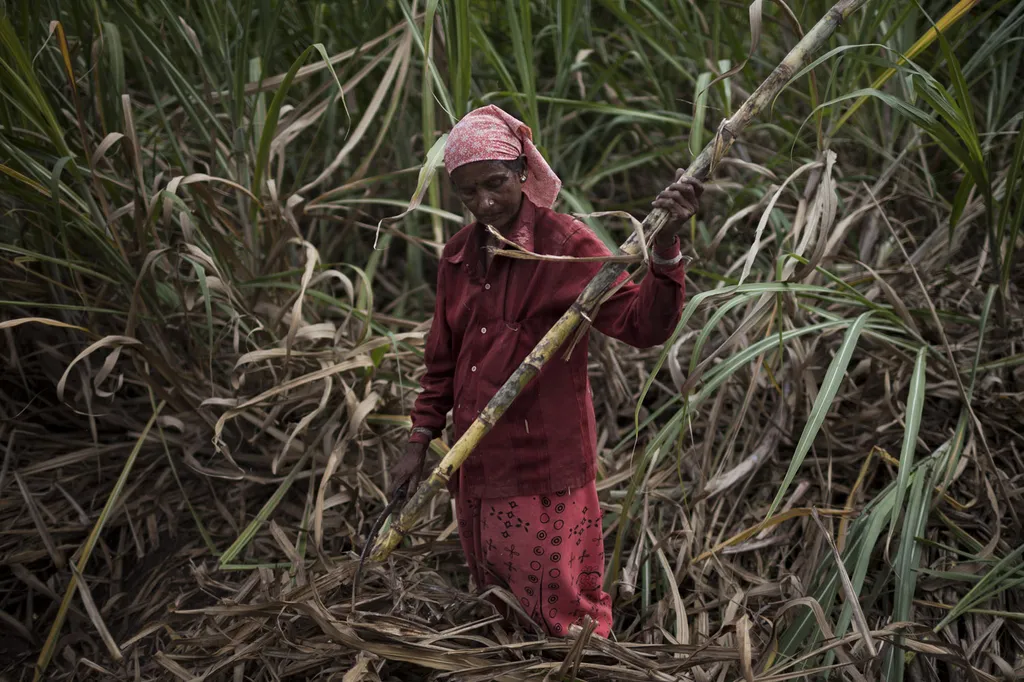
In the heart of India’s sugarcane belt, a critical study has shed light on the financial lifelines of farmers, revealing that access to credit is not just about money—it’s about education, income, land, and collateral. Published in *The Indian Journal of Agricultural Sciences*, the research led by Garima Singh of Banasthali Vidyapith, Rajasthan, delves into the determinants of agricultural credit accessibility among sugarcane farmers in Muzaffarnagar district, Uttar Pradesh. The findings could reshape how financial institutions and policymakers approach agricultural lending, potentially boosting productivity and sustainability in the sector.
The study, conducted between October 2023 and November 2024, surveyed 390 sugarcane farmers using a semi-structured questionnaire. By employing a logistic regression model, the researchers identified key factors influencing credit accessibility. “Education, annual income, landholding, and collateral availability emerged as significant determinants,” Singh explained. “These factors collectively highlight the need for targeted interventions to improve financial inclusion in agriculture.”
For the agriculture sector, these insights are more than academic—they are a call to action. Sugarcane farming is a cornerstone of India’s agricultural economy, contributing significantly to the country’s GDP and providing livelihoods to millions. However, the sector’s growth is often stifled by financial constraints. “Improving financial awareness and reducing institutional barriers could unlock substantial commercial potential,” Singh noted. “Farmers with better access to credit can invest in modern farming techniques, high-yield seeds, and sustainable practices, ultimately enhancing productivity and profitability.”
The study’s findings underscore the importance of tailored financial products and services for farmers. Traditional lending models often overlook the unique challenges faced by agricultural communities, such as seasonal income fluctuations and the need for collateral. By addressing these gaps, financial institutions can play a pivotal role in fostering economic growth in rural areas.
Looking ahead, the research suggests that government interventions and policy reforms could be instrumental in expanding credit accessibility. “Policy measures should focus on enhancing financial literacy, providing collateral-free loans, and streamlining the loan application process,” Singh recommended. “These steps could empower farmers to secure the credit they need to thrive.”
As the agriculture sector grapples with the dual challenges of climate change and economic volatility, studies like this one offer a roadmap for building resilience. By ensuring that farmers have access to the financial resources they need, the sector can not only enhance productivity but also promote sustainable practices that benefit both the environment and the economy. The findings from Muzaffarnagar could very well serve as a blueprint for similar initiatives across India and beyond, shaping the future of agricultural finance and sustainability.