
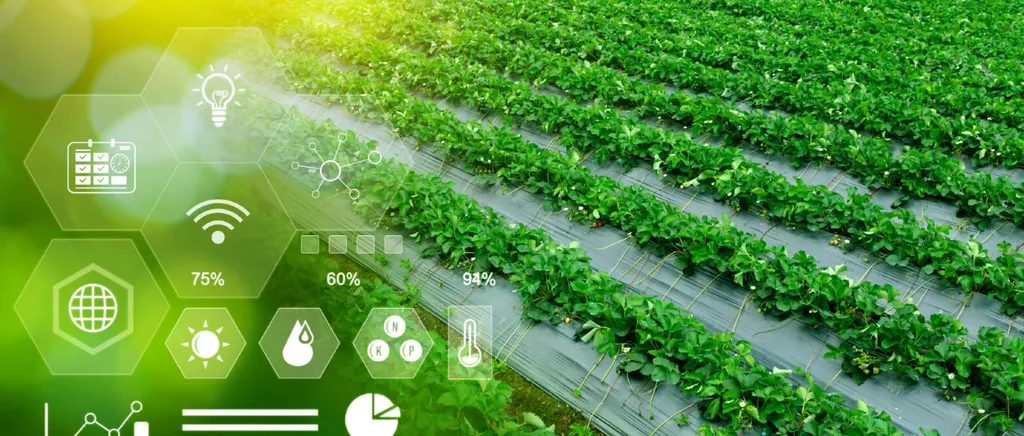
The agricultural landscape is evolving with the integration of high-tech farming solutions. As traditional practices adapt to modern innovations, farmers are seeing improvements in efficiency and productivity. This trend reflects a broader move towards creating a more technology-driven approach to agriculture.
In the United States, a government report reveals that while the number of farms is declining, the remaining operations are becoming “tech dense.” Farmers are increasingly adopting advanced technologies to enhance their agricultural practices. A survey by McKinsey in 2024 indicates that 57% of North American farmers plan to experiment with new yield-increasing technologies within the next two years.
Innovative Practices in Crop Management
Precision Spraying: Jake Leguee, a farmer in Saskatchewan, utilizes advanced tools attached to his John Deere tractor. This technology allows for precise weed control during planting, significantly reducing pesticide use. Data-Driven Decisions: Norah Lake of Sweetland Farms in Vermont employs an app called Tend to manage crop yields. This software streamlines data collection and offers insights for future planting, enabling better preparation and management. Such technologies not only improve farming efficiency but also optimize resource use. Leguee highlights the return on investment for these innovations, asserting that low-cost solutions can greatly assist farmers in managing their operations.
Advanced Software Applications
A variety of software options are available for farmers looking to enhance their operations. Companies like Syngenta offer the Cropwise platform, which utilizes 20 years of weather data and AI to provide actionable insights. It can alert farmers to issues such as pest outbreaks, enabling timely interventions that can protect crops. Similarly, the German startup NoMaze provides simulation software designed to help farmers understand crop performance under varying climate conditions. This valuable insight allows producers to make informed decisions about water usage and yield maximization.
The Economic Impact of High-Tech Farming
The financial implications of adopting high-tech farming practices can be significant. According to Heather Darby, an agronomist at the University of Vermont, these innovations could lead to increased food supply and potentially lower prices for consumers. By reducing crop failures through technology, farmers can maintain a more stable food supply.
Generational Perspectives on Farming Technology
The shift towards high-tech farming is met with a mixed response among different generations of farmers. Younger farmers are more likely to embrace new technologies, while some older practitioners may be hesitant to change. However, the need for modernization is evident, as agriculture becomes increasingly reliant on technology to support family-run businesses. Farmers, regardless of age, are encouraged to view their operations through a business lens. Embracing technology can foster sustainable practices that not only improve profitability but also enhance the quality of life for farming families.
As high-tech farming continues to take root, it promises a future where agriculture can thrive amidst changing economic and environmental conditions.