
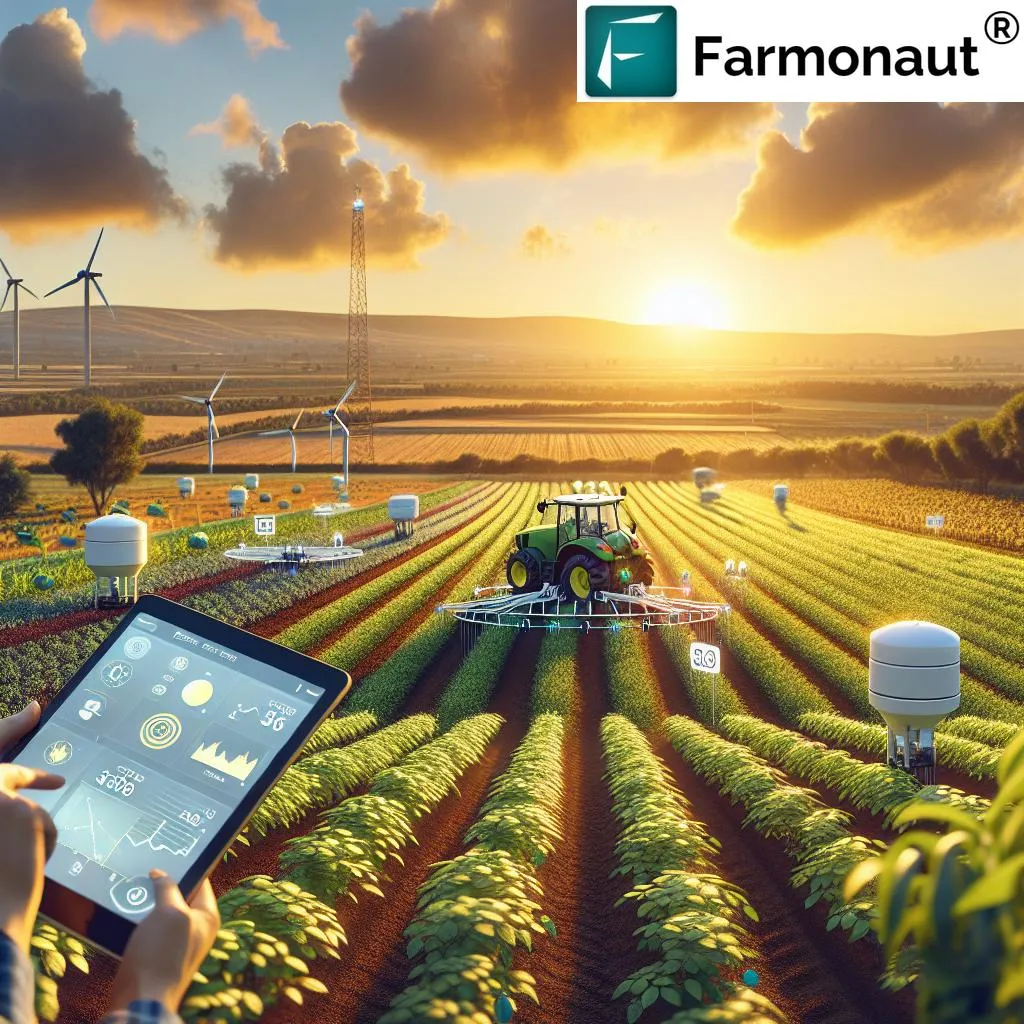
In the ever-evolving landscape of agriculture, the integration of precision technologies is proving to be a game-changer, particularly for specialty crops. A recent study published in *Frontiers in Plant Science* delves into the optimization of fertilizer and irrigation management using cutting-edge precision agriculture technologies, offering promising insights for farmers and agribusinesses alike.
The research, led by Amir Ali Khoddamzadeh from the Department of Earth and Environment at Florida International University, explores how advanced optical sensors and remote sensing can revolutionize the way we manage specialty crops. These crops, which include high-value fruits, vegetables, and nuts, often require meticulous care and precise resource allocation to maximize yield and quality.
“Precision agriculture is not just about efficiency; it’s about sustainability and economic viability,” Khoddamzadeh explains. By leveraging real-time data from optical sensors and remote sensing tools, farmers can make informed decisions about fertilizer application and irrigation, ensuring that resources are used optimally. This approach not only enhances crop productivity but also reduces waste and environmental impact.
The commercial implications of this research are substantial. Specialty crops are a significant sector within the agriculture industry, with a global market value that continues to grow. The adoption of precision agriculture technologies can lead to higher yields, better quality produce, and ultimately, increased profitability for farmers. Moreover, the reduced environmental footprint can enhance the marketability of these crops, appealing to environmentally conscious consumers and retailers.
One of the key findings of the study is the potential for significant cost savings. By optimizing fertilizer and irrigation, farmers can reduce their input costs while maintaining or even improving crop yields. This is particularly important in regions where water and fertilizer resources are scarce or expensive.
The research also highlights the role of data analytics in precision agriculture. As Khoddamzadeh notes, “The integration of data analytics with sensor technologies allows for a more holistic approach to crop management. Farmers can predict and respond to crop needs more accurately, leading to better outcomes.”
Looking ahead, the study suggests that the future of specialty crop farming lies in the continued development and adoption of precision agriculture technologies. As these technologies become more accessible and affordable, they could transform the way specialty crops are grown, making the sector more resilient and sustainable.
The research published in *Frontiers in Plant Science* by Amir Ali Khoddamzadeh from the Department of Earth and Environment at Florida International University provides a compelling case for the adoption of precision agriculture technologies in specialty crop farming. As the agriculture sector continues to evolve, the insights from this study could pave the way for more efficient, sustainable, and profitable farming practices.