
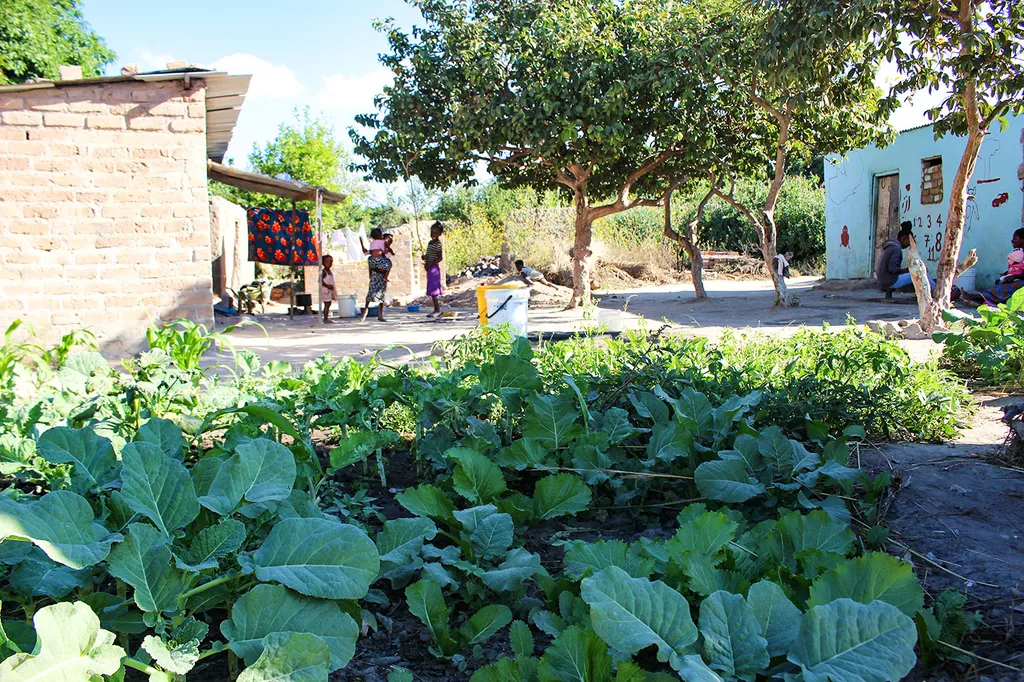
In the heart of two sub-Saharan cities, Cape Town and Norton, a quiet revolution is taking root—urban agriculture (UA) is reshaping food security, livelihoods, and urban development. A recent study published in the *International Journal of Agricultural Sustainability* delves into the motivations, challenges, and legislative landscapes of UA in these contrasting urban settings, offering insights that could steer future agricultural policies and commercial strategies.
The research, led by Tinashe P. Kanosvamhira of the School of Geography at the University of Leeds, adopts a qualitative case-study approach, interviewing key stakeholders and analyzing policies to paint a vivid picture of UA dynamics. In Cape Town, UA is semi-institutionalized, bolstered by governmental and civil society support, and intertwined with agendas of food justice and community development. However, practitioners grapple with significant constraints, including land access and urban policy fragmentation.
“In Cape Town, urban agriculture is not just about growing food; it’s about reclaiming space and resources within a complex urban fabric,” Kanosvamhira explains. This semi-institutionalized approach, while promising, faces hurdles that could impact the commercial viability of UA initiatives. The study highlights the need for cohesive urban planning and secure land rights to foster a more enabling environment for UA.
Contrast this with Norton, Zimbabwe, where UA is largely informal and driven by survivalist strategies in response to persistent socio-economic challenges. Here, the regulatory conditions are more flexible, but land-tenure insecurity and the threat of eviction loom large. The study underscores the role of context-specific legislative frameworks in enabling UA, suggesting that flexible regulations could pave the way for more resilient and commercially viable UA models.
The research situates UA within broader debates on land governance and urban informality, contributing to the understanding of institutional and spatial conditions necessary for advancing UA. By examining these dynamics, the study offers a roadmap for policymakers, urban planners, and agricultural entrepreneurs to navigate the complexities of UA.
As urban populations continue to grow, the insights from this study could shape future developments in the agriculture sector, particularly in sub-Saharan Africa. By fostering sustainable urban development and enhancing food security, UA has the potential to become a cornerstone of commercial agriculture, provided the right legislative and spatial conditions are met.
In the words of Kanosvamhira, “Urban agriculture is not a monolithic phenomenon; it’s a mosaic of practices shaped by local contexts and needs.” This mosaic, when understood and supported, could unlock new opportunities for the agriculture sector, fostering sustainability and resilience in the face of urbanization.