
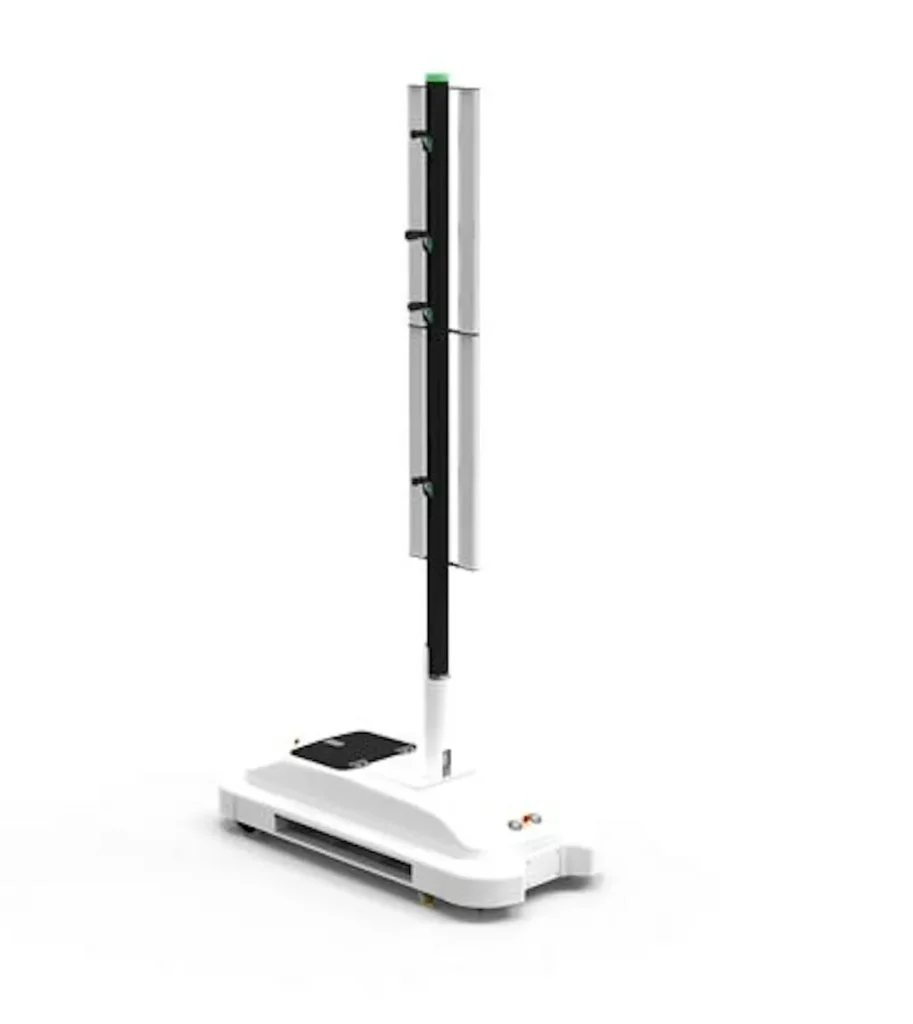
In the ever-evolving landscape of agricultural technology, a groundbreaking study published in the *Journal of Agricultural Sciences* is set to revolutionize pest management practices. Researchers, led by Yavuz Selim Şahin from Sakarya Uygulamalı Bilimler Üniversitesi, have harnessed the power of artificial intelligence to create a robust system for real-time detection and segmentation of tomato pests. This innovation promises to minimize crop losses and enhance the efficiency of agricultural practices.
Tomatoes, a cornerstone of global nutrition and economic stability, face significant threats from pests such as Tuta absoluta, Helicoverpa armigera, and Bemisia tabaci. Traditional methods of pest detection, which rely heavily on human observation, are not only labor-intensive but also prone to errors. The study introduces YOLOv8, an AI-based model that offers a timely and accurate solution for pest identification. “The YOLOv8 model has demonstrated remarkable precision and recall rates, reaching up to 98.91% and 98.98% for detection, and 97.47% and 98.81% for segmentation,” explains Şahin. This level of accuracy is a game-changer for farmers who need to act swiftly to protect their crops.
The research involved training the YOLOv8 model using images captured throughout the tomato plant’s development, from the seedling stage to the fruit stage. This comprehensive approach ensures that the model can effectively monitor diverse pest species under various conditions. The study’s findings highlight the model’s potential to improve agricultural pest management practices significantly. “By integrating AI models like YOLOv8 into pest monitoring systems, we can minimize human error and labor demands, contributing to more efficient and sustainable agricultural practices,” Şahin adds.
The implications of this research extend beyond the tomato industry. The versatility of the YOLOv8 model suggests that it could be applied to other crops and pest species, supporting long-term farming sustainability. As the agricultural sector continues to embrace precision agriculture, the adoption of AI-driven technologies like YOLOv8 could become a standard practice. This shift not only enhances the efficiency of pest management but also paves the way for more sustainable and productive farming practices.
In the broader context, this research underscores the importance of integrating advanced technologies into agricultural practices. As the global population grows, the demand for food increases, and the need for efficient and sustainable farming practices becomes more critical. The YOLOv8 model represents a significant step forward in meeting these challenges, offering a scalable and reliable solution for pest management.
The study’s comprehensive field-scale evaluations provide a robust benchmark for multi-species pest monitoring, setting a new standard for agricultural technology. As the agricultural sector continues to evolve, the integration of AI-driven solutions like YOLOv8 will play a pivotal role in shaping the future of farming. This research not only highlights the potential of AI in agriculture but also serves as a catalyst for further innovation in the field.