
In the heart of Southern Africa, where the pressures of climate change and land degradation weigh heavily on livestock farmers, a new study offers a compelling comparison of two distinct feedlot systems, shedding light on their roles in fostering sustainable and climate-resilient livestock production. The research, published in *Frontiers in Sustainable Food Systems*, systematically reviews the performance of community-based feedlots (CBFs) and commercial feedlots, providing valuable insights for the agriculture sector.
The study, led by Mhlangabezi Slayi from the Centre for Global Change at the University of Fort Hare in South Africa, analyzed 42 peer-reviewed studies across eight Southern African countries. The findings reveal a nuanced picture of the strengths and weaknesses of each system, highlighting the need for a balanced approach to livestock production that prioritizes both efficiency and social equity.
Commercial feedlots, with their advanced infrastructure and management practices, demonstrate superior technical efficiency. They achieve higher average daily gains and better feed conversion ratios, making them a more attractive option for large-scale producers. “Commercial feedlots are powerhouses of productivity,” says Slayi. “They can turn out market-ready livestock quickly and efficiently, which is crucial for meeting the demands of a growing population.”
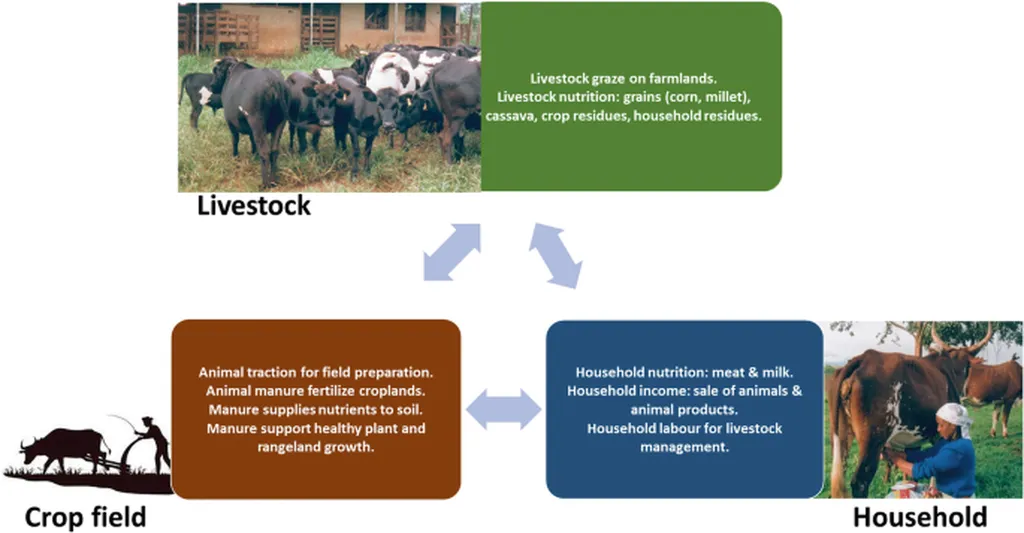
However, the study also underscores the significant social and environmental benefits of community-based feedlots. CBFs, often found in communal areas, are more adaptable to local conditions and play a vital role in promoting social inclusivity. They create rural employment opportunities, empower women and youth, and reduce grazing pressure on communal rangelands during dry seasons. “CBFs are about more than just feeding livestock,” explains Slayi. “They are about building resilient communities and fostering sustainable livelihoods.”
The research also highlights the sustainability trade-offs associated with each system. Commercial feedlots, while efficient, are linked to higher greenhouse gas emissions and concentrated waste. On the other hand, CBFs struggle with nutrient overloads and limited waste management capacity. Both systems face common constraints, including fluctuating feed costs, inadequate market access, weak infrastructure, and insufficient extension support.
The findings suggest that the future of livestock production in Southern Africa lies in a hybrid model that combines the technical efficiency of commercial feedlots with the social inclusivity and adaptive capacity of CBFs. This approach could pave the way for climate-smart, sustainable, and socially equitable livestock systems.
The study’s implications for the agriculture sector are significant. By understanding the strengths and weaknesses of different feedlot systems, stakeholders can make informed decisions that balance productivity, sustainability, and social equity. As the region grapples with the challenges of climate change and land degradation, this research offers a roadmap for building resilient and sustainable livestock systems that benefit both people and the planet.
The research, led by Mhlangabezi Slayi from the Centre for Global Change at the University of Fort Hare, was published in *Frontiers in Sustainable Food Systems*.