
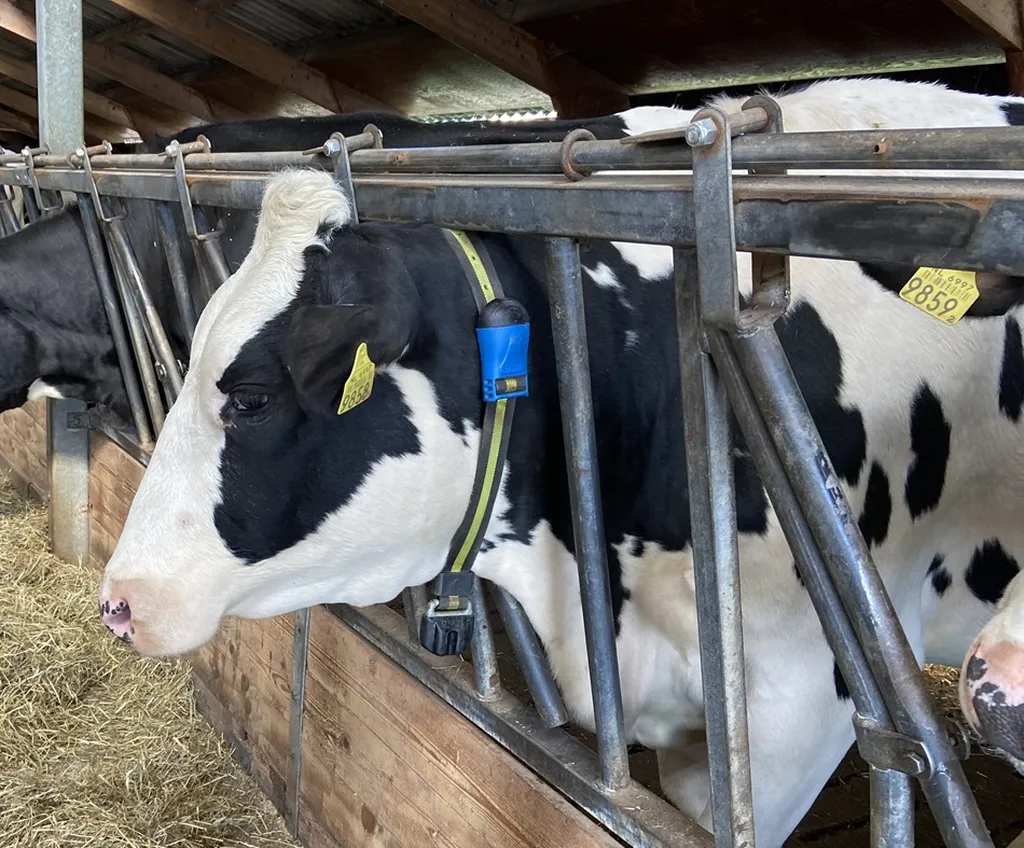
In the heart of Spain’s agricultural landscape, a digital revolution is quietly unfolding, and new research is shedding light on the patterns and opportunities shaping this transformation. A study published in *Smart Agricultural Technology* has identified distinct digitalisation trends in Spanish livestock farming, offering a roadmap for the sector’s digital future.
By analysing open data from the Spanish Ministry of Agriculture, researchers led by Eva Boyer Bustamante from the International Doctoral School in Agri-Food (eidA3) at the University of Cordoba, examined 603 farms to understand how digital technologies are being adopted. The study revealed three main farm types: Smallholders, Family farms, and Commercial farms, each with unique digitalisation levels and needs.
The findings highlight that digitalisation is positively correlated with farm size, training, and regional technological development. However, a notable gender gap was also identified, with most women-managed farms falling into low-digitalisation clusters. “This gap is a significant concern,” says Bustamante. “Addressing it could unlock substantial potential for the sector.”
For Smallholders, the study suggests that basic digitisation packages and subsidised rural connectivity are crucial first steps. “These farms often face structural constraints, so providing affordable and accessible digital tools is essential,” Bustamante explains. For Family farms, integrated management platforms and targeted training in data management could significantly improve production organisation and digital competencies.
Commercial farms, which already exhibit intermediate digitalisation, could benefit from enhanced interoperability among IoT devices, sensor networks, and farm management software. The study indicates that AI-based predictive analytics and smart alert systems could further boost monitoring and operational efficiency.
The research underscores the value of open data in driving evidence-based policies and best-practice strategies. “Our findings provide a foundation for targeted public policies and industry initiatives to accelerate the digital transition in livestock farming,” Bustamante notes.
The commercial impacts of this research are substantial. By identifying specific digitalisation patterns and needs, the study offers a clear path for technology providers, policymakers, and farmers to collaborate and drive innovation. This could lead to more efficient, sustainable, and competitive livestock farming practices across Spain.
As the agricultural sector continues to evolve, this research could shape future developments in smart farming, ensuring that digital technologies are accessible and beneficial for all farm types. By addressing the identified gaps and leveraging the opportunities, the Spanish livestock sector can harness the full potential of digitalisation, paving the way for a more resilient and productive future.