
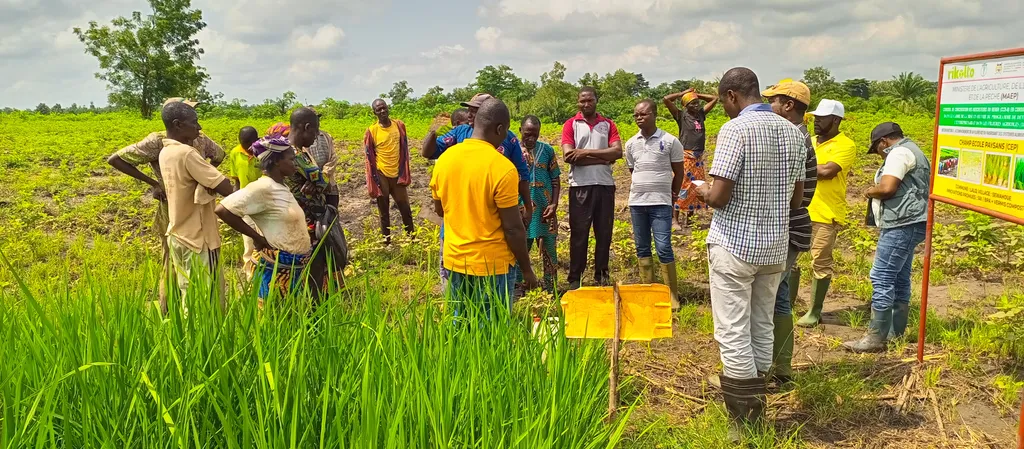
In the heart of West Africa, a silent revolution is taking place in the lowlands of Benin, where farmers are redefining the future of agriculture through innovative water management techniques. A recent study published in the *International Journal of Agricultural Sustainability* sheds light on how these techniques are enhancing ecosystem services and boosting agricultural productivity, offering a promising model for smallholder farmers across sub-Saharan Africa.
The research, led by Abiola David Akodekou of the Graduate Research Programme on Climate Change and Agriculture (CC&Agr) at the West African Science Service Centre on Climate Change and Adapted Land Use (WASCAL), University of Sciences, Techniques and Technologies of Bamako, Bamako, Mali, focused on the Guinean and Sudano-Guinean zones of Benin. These regions are home to inland valleys, critical wetlands that provide a wide range of ecosystem services, from food production to water purification and biodiversity support.
The study employed a mixed-method approach, drawing on data from 298 farmers across 41 inland valleys. It identified three key water management approaches: undeveloped valleys (without management), bund valleys (using small dikes), and smart valleys (integrating bunds with irrigation and drainage canals). The results were striking. Smart valleys showed a significant increase in provisioning, regulating, and supporting services compared to both undeveloped and bund valleys. “Smart valleys are not just about increasing crop yields; they are about creating a sustainable ecosystem that benefits farmers and the environment alike,” Akodekou explained.
The commercial implications for the agriculture sector are substantial. Smart valleys demonstrated fewer sustainability threats, including reduced chemical use and lower sedimentation risk, which can lead to long-term cost savings and improved soil health. This approach could revolutionize smallholder farming, making it more resilient and productive in the face of climate change.
Moreover, the study highlighted the importance of socio-economic factors. Gender, age, education, and income significantly influenced the importance that farmers attributed to ecosystem services. This underscores the need for inclusive policies and practices that consider the diverse needs and perspectives of smallholder farmers.
Looking ahead, the research suggests that integrating cultural services into the design of smart valleys could further enhance their benefits. Cultural services, such as recreational and aesthetic values, were found to be most prevalent in undeveloped valleys. By incorporating these elements into smart valleys, farmers could enjoy a more holistic approach to sustainable management, potentially attracting eco-tourism and diversifying income sources.
As the world grapples with the challenges of climate change and food security, the lessons from Benin’s lowlands offer a beacon of hope. The study’s findings could shape future developments in the field, encouraging farmers and policymakers to adopt innovative water management techniques that balance productivity with sustainability. In doing so, they could pave the way for a more resilient and prosperous future for smallholder farmers across sub-Saharan Africa.