
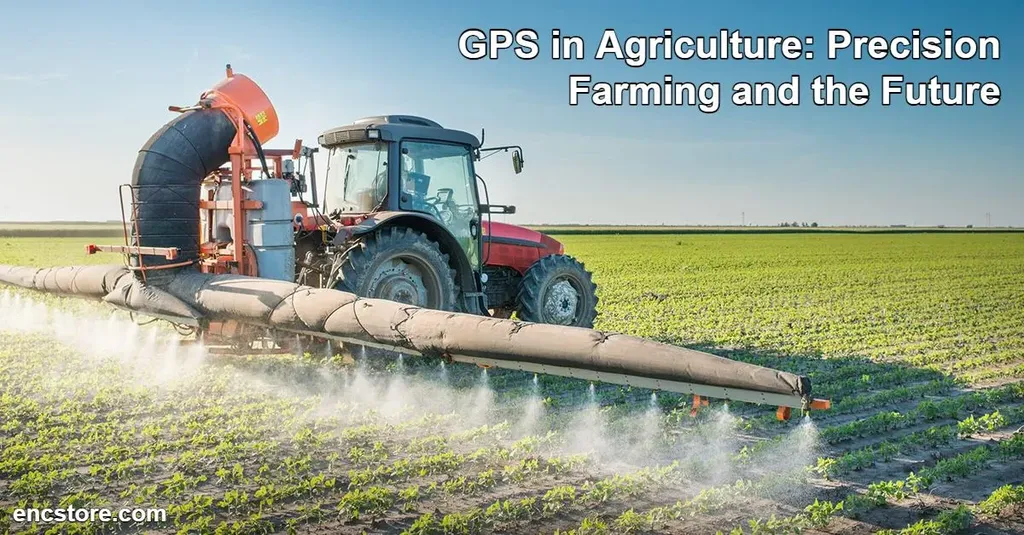
The Revolution of GPS Systems for Tractors in Modern Agriculture
The integration of GPS systems for tractors has revolutionized the world of agriculture in recent years. By 2026, GPS technology is set to dominate fields globally, offering a transformative edge to farmers striving for precision, productivity, and sustainability in their operations. Whether for family-run farms or vast commercial operations, these tools have become indispensable for optimizing fieldwork, managing resources, and responding to the growing demands of modern agriculture. This comprehensive guide demystifies the cutting-edge role of tractor GPS systems for sale, delves into their technology, reviews advanced options for 2025 and 2026, examines pricing, selection tips, integration advantages, and explores how satellite-powered solutions—like those offered by Farmonaut—push agri-efficiency and environmental care further than ever.
How Tractor GPS Systems Work: The Technology Behind Efficiency
At the core, farming GPS systems harness satellite signals from networks like GPS, GLONASS, Galileo, and BeiDou. These systems use satellite-based navigation receivers installed in tractors or attached as retrofit kits, to provide real-time, centimeter-level positioning data. This precision allows operators to conduct planting, fertilizing, and harvesting with unprecedented accuracy, minimizing overlaps and gaps during fieldwork.
Main Components of Modern Tractor GPS Systems
– GNSS Antenna — Captures satellite positioning signals
– Display Console — Provides real-time navigation, field mapping, and controls
– Auto-Steering Controller — Integrates with tractor hydraulics to automate steering and reduce operator fatigue
– Software Platform — For guidance, data recording, and precision field management
– Cloud Connectivity/Wireless Link — Enables remote updates, analytics, and integration with farm management suites
Key Insight: By 2026, precision agriculture tools such as GPS-guided systems are projected to directly influence the cost structures of farms—reducing expenses in seeds, fertilizers, fuel, and labor while also supporting higher yields.
Key Advantages of Tractor GPS Systems: Precision, Savings & Sustainability
The core advantages of adopting farming GPS systems include not just improved productivity, but transformative effects on the sustainability and economics of the entire farm.
Top 5 GPS Advantages for Farming
– Enhances Field Efficiency: Reduces overlaps and missed areas during planting and fertilizer/pesticide applications.
– Precision Input Application: Enables accurate, zone-specific application—minimizing chemical overuse and environmental impact.
– Saves Resources & Labour: Less fuel, fewer passes, and reduced operator fatigue directly translate to cost savings.
– Supports Regulatory Compliance: Automated field activity recording aids in meeting certification and traceability requirements.
– Boosts Crop Health & Yield Consistency: Helps manage row spacing, planting densities, and optimize yield mapping.
Pro Tip: When evaluating a tractor GPS system for sale, always check compatibility with your tractor model and preferred farm software. Integration with digital farm platforms can unlock even higher efficiency and smarter data management.
Precision Farming Practices Enabled by Modern GPS Systems for Tractors
Examples of advanced farming practices made possible by ag GPS systems include:
Core Features of Advanced Tractor GPS Systems
– Automated Steering (Auto-Pilot): Maintains perfectly straight or curved rows, maximizing field coverage.
– Wireless Data Sync: Transfer maps, tasks, and reports between farm office and tractor cabin in real time.
– Machine Learning Analytics: Analyze data for ongoing operational improvements.
– Cloud Integration: Compatible with large-scale farm management apps, reducing manual data entry.
Common Mistake: Opting for a tractor GPS system based solely on price can result in insufficient features or poor integration. Instead, compare accuracy, compatibility, and support to ensure maximum ROI.
Comparison Table of Advanced Tractor GPS Systems (2025-2026)
Selecting the right system requires benchmarking top models. Below is a comparison table based on the latest tractor GPS systems for sale—highlighting their accuracy, pricing, sustainability, and integration compatibility.
Top 5 Factors to Consider When Comparing Tractor GPS Systems
– Precision level: The higher the signal accuracy (in cm), the more efficient your fieldwork.
– Integration compatibility: Ensure the system supports your current software, farm management platform, and tractor models.
– Main features: Such as automated steering, remote monitoring, or advanced data analytics.
– Sustainability impact: Does the system support reducing chemical use or energy consumption?
– Estimated price & future support: Compare the initial investment with the expected ROI and software update plans.
Investor Note: With the agricultural GPS market expected to surpass $5 billion by 2027, investing in precision guidance technology today provides both operational and long-term asset value for farms.
How to Choose the Right GPS System for Your Tractor
Buyers looking at a tractor GPS system for sale in