
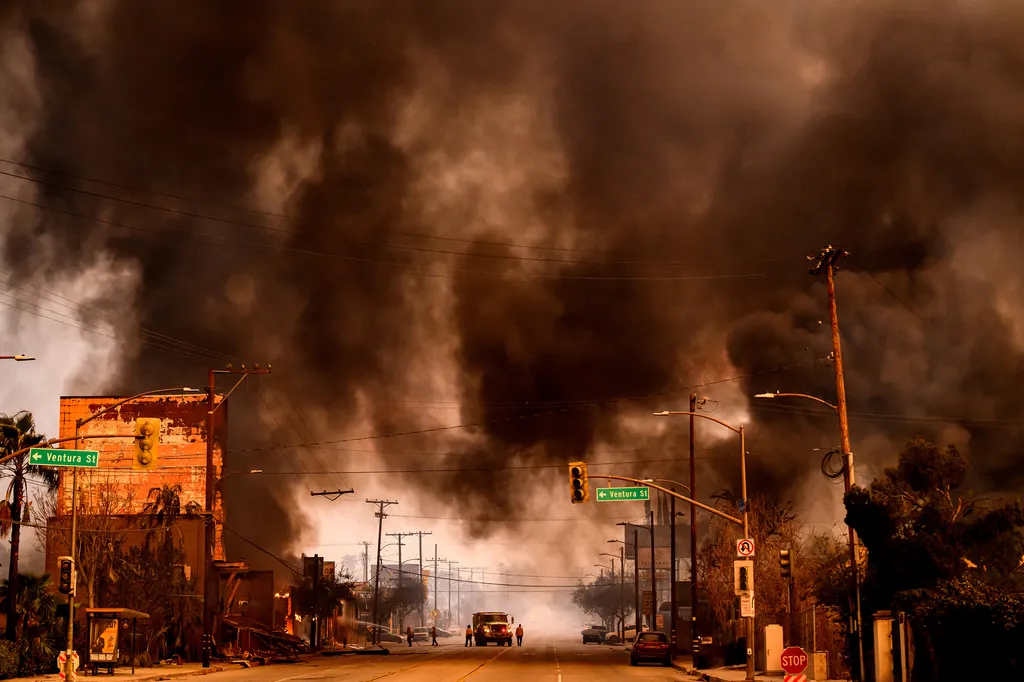
The devastating L.A. wildfires of January 2025, which scorched vast areas and claimed hundreds of lives, have left a lingering threat in their wake. A recent study conducted by researchers at UCLA reveals that indoor air pollution levels in some homes actually increased after the fires were extinguished, posing ongoing health risks to residents.
The study, published in the journal Environmental Science & Technology, focused on tracking volatile organic compounds (VOCs) both indoors and outdoors throughout January and in the subsequent weeks. VOCs, released by the burning of common household materials such as paint, carpets, and upholstery, are known to be harmful to human health, with some being carcinogenic.
While outdoor VOC levels decreased once the fires were put out, indoor levels of certain compounds rose. The researchers speculate that this increase is due to the continued release of VOCs from materials within homes that had been heavily exposed to smoke.
“Even after wildfires are extinguished, residents may remain at risk of exposure to indoor VOCs,” said Yifang Zhu, a coauthor of the study and a researcher at UCLA. To mitigate this risk, experts recommend that affected homeowners take steps such as opening windows and running heaters or air conditioners to improve indoor air quality.
The findings of this study have significant implications for the agriculture sector and investors. Wildfires and their aftermath can impact agricultural productivity and supply chains, leading to potential economic losses. For investors, understanding the long-term environmental and health impacts of such disasters is crucial for making informed decisions.
The agricultural sector, in particular, may face challenges related to soil and water contamination, which can affect crop yields and livestock health. Additionally, the increased health risks to rural and suburban communities near wildfire zones could lead to higher healthcare costs and decreased productivity among the workforce.
For investors, the study underscores the importance of considering environmental risks in their portfolios. Companies involved in agriculture, real estate, and healthcare in wildfire-prone areas may need to implement more robust risk management strategies. This could include investing in technology to monitor and improve indoor air quality, as well as developing contingency plans for crop and livestock management in the event of wildfires.
As climate change continues to exacerbate the frequency and severity of wildfires, the agriculture sector and investors must remain vigilant and proactive in addressing the multifaceted challenges posed by these natural disasters.