
In the heart of every ecosystem, from the human gut to the vast expanses of farmland, lies a hidden world teeming with life: the microbiome. This complex community of microorganisms is now at the forefront of biotechnological innovation, promising to revolutionize human health, sustainable agriculture, and environmental conservation. A recent review published in the *Journal of BioScience and Biotechnology* delves into the transformative potential of microbiome biotechnology, offering a glimpse into a future where these tiny organisms play a monumental role in shaping our world.
The microbiome, once overlooked, is now recognized as a critical player in human health. Researchers are exploring microbiome-based therapeutics, precision medicine, and the gut-brain axis, unlocking new avenues for treating diseases and enhancing overall well-being. “The microbiome is like an invisible organ that influences everything from our immune system to our mental health,” said lead author Kirolos Eskandar, a researcher at the Faculty of Medicine and Surgery, Helwan University in Cairo, Egypt. “By understanding and harnessing these microbial communities, we can develop targeted therapies that are more effective and personalized.”
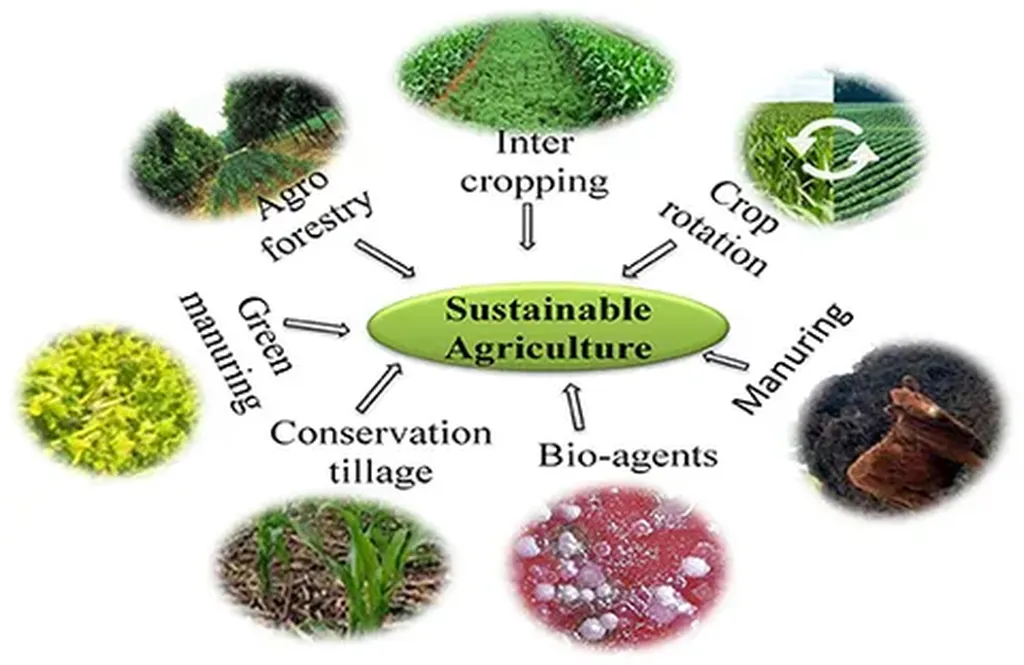
But the impact of microbiome research extends far beyond human health. In agriculture, microbial innovations are paving the way for sustainable farming practices. From enhancing soil health to boosting livestock productivity, these biotechnological advancements are set to transform the agricultural sector. “Microbial solutions can reduce the need for chemical fertilizers and pesticides, making farming more sustainable and environmentally friendly,” Eskandar explained. This shift could not only improve crop yields but also mitigate the environmental impact of modern agriculture, addressing pressing global challenges like climate change and food security.
The environmental applications of microbiome biotechnology are equally promising. Researchers are exploring bioremediation techniques to clean up polluted sites, carbon sequestration methods to combat climate change, and marine microbiome studies to protect ocean ecosystems. These innovations could lead to more effective and sustainable solutions for environmental conservation, offering hope for a healthier planet.
Emerging tools such as omics technologies, synthetic biology, and artificial intelligence are accelerating progress in microbiome research. These technologies enable scientists to analyze and manipulate microbial communities with unprecedented precision, opening up new possibilities for innovation. However, these advancements also present challenges and ethical considerations that must be carefully addressed.
As we stand on the brink of a microbiome revolution, the potential for enhancing human health, improving food systems, and addressing global environmental challenges is immense. By integrating these innovations, microbiome biotechnology holds the key to a more sustainable and healthier future. The research published in the *Journal of BioScience and Biotechnology* serves as a testament to the transformative power of these tiny organisms, offering a glimpse into a future where the microbiome plays a central role in shaping our world.