
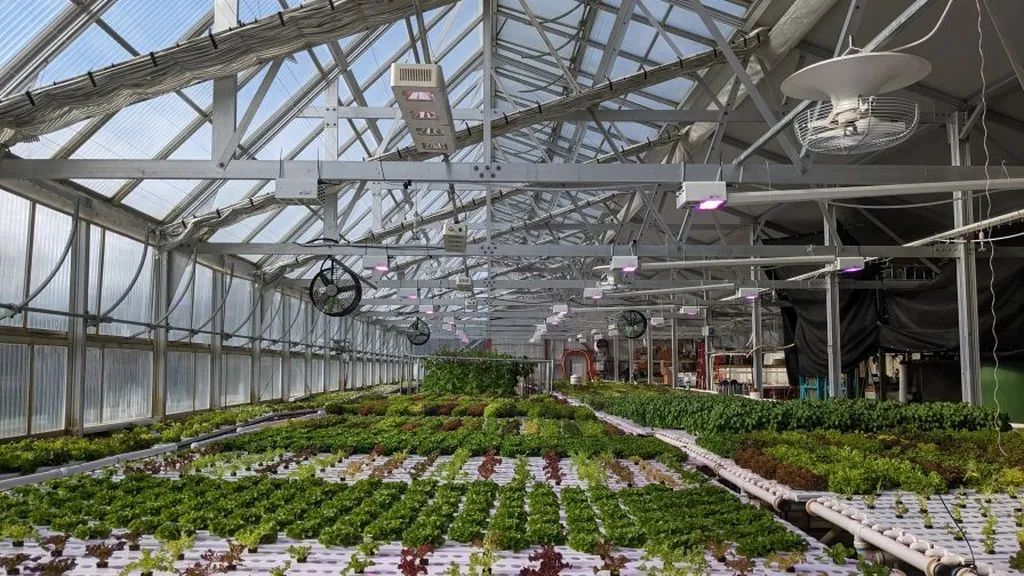
In the frost-kissed landscape of Dingxi City, northwest China’s Gansu Province, a revolution is underway. Amid the biting winter chill, smart greenhouses are thriving with fresh fruits and vegetables, a testament to the region’s year-round agricultural innovation. This transformation, driven by technological advancements, is redefining the agricultural landscape of Gansu, ensuring a steady supply of fresh produce throughout the year.
Nestled in the heart of the Loess Plateau, Dingxi’s cool climate has long been ideal for agriculture. However, the city’s recent embrace of smart farming has marked a significant departure from traditional, weather-dependent practices. The city now boasts 14 intensive smart seedling bases, 1,265 standardized greenhouses, and steel-framed sheds equipped with Internet of Things devices. Integrated water and fertilizer systems, coupled with 5G-enabled environmental control technology, provide precise, real-time monitoring of temperature, light, water, and nutrients, optimizing crop growth.
The 2025 central rural work conference’s call for research and breakthroughs in core agricultural technologies has become a key part of Gansu’s strategy. The Dingxi Potato Research Institution, for instance, has automated the entire process of seed potato production, including one-click fertilization, watering, and real-time growth monitoring. This technological empowerment has made the institute a standardized base for seed potato production and exports in China, with potatoes being sold across the country and exported to countries like Egypt and Saudi Arabia.
The cultivation of new agricultural productivity is not only improving people’s livelihoods but also paving the way for profitable specialty agriculture. Li Ru, a 56-year-old farmer from Chenjiawa Village, has witnessed the remarkable transformation of farming practices. Agricultural machinery now completes in one hour what once took a whole day, plastic mulching film helps preserve moisture and improve quality, and drought-resistant crop varieties maintain stable yields while boosting farmers’ income.
Gansu Province State Farm Group Co., Ltd., the province’s largest modern agricultural enterprise, is advancing new technologies and equipment while developing smart agriculture demonstration zones. Driverless tractors equipped with BeiDou Navigation Satellite System and drone fleets spraying atomized fertilizers are common sights, with agricultural efficiency now more than five times greater than traditional methods.
In Gansu’s Linxia Hui Autonomous Prefecture, a 200,000-square-meter rose “super factory” is showcasing the power of technology. The agriculture park, which began operation in 2022, integrates advanced technologies such as digital control, soilless cultivation, and post-harvest pre-cooling for fresh-cut flowers, ensuring roses bloom year-round. The annual production of fresh-cut roses exceeds 72 million stems, with a significant portion expected to be exported to Kazakhstan, Russia, and other countries by 2025.
The rapid development of agricultural new productivity is also supported by policies and project funding. During China’s 14th Five-Year Plan period, Gansu has increased investment in agricultural science and technology, implementing seed industry breakthroughs and technological support projects. A total of 129 key technologies to improve grain yield per unit area have been developed, and a special fund for agricultural machinery and equipment R&D has been set up.
As Sun Wancang, a professor at Gansu Agricultural University, noted, the shift from traditional farming to smart agriculture is significantly empowering agricultural development through the cultivation of new agricultural productivity. This transformation is not only boosting grain and oil production but also curbing dust storm sources, delivering both economic and ecological benefits. The frost-kissed landscape of Dingxi City is indeed a testament to the power of technological innovation in agriculture.