
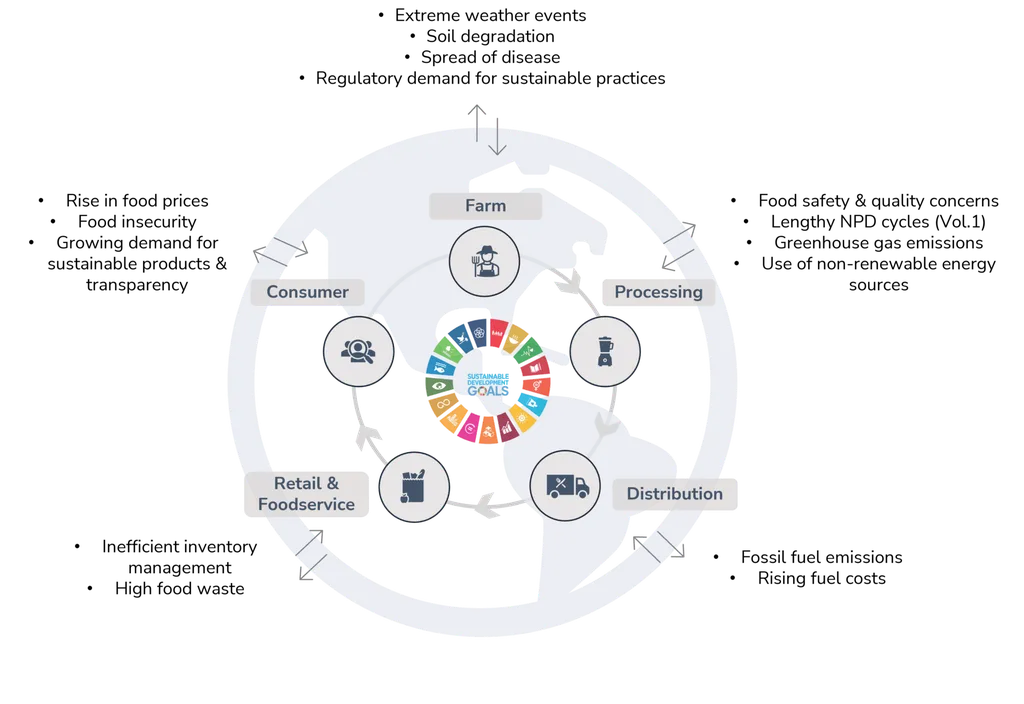
In the face of climate change, population growth, and economic disparities, food security has emerged as a pressing global challenge. Amidst these complexities, artificial intelligence (AI) is stepping in as a transformative force, reshaping the way we approach food production, processing, and distribution. A recent study published in *Cogent Food & Agriculture* sheds light on the profound impact AI is having on food systems, offering a glimpse into a future where technology and agriculture intersect to create more sustainable and efficient practices.
The research, led by Naseer Ahmed from the Department of Food Technology at Dr. Khem Singh Gill Akal College of Agriculture, Eternal University, explores how AI is revolutionizing various stages of the food supply chain. From precision farming to personalized nutrition, AI is proving to be a game-changer. “AI allows for the efficient management of resources such as water and fertilizers, significantly increasing crop yields,” Ahmed explains. This precision agriculture approach not only boosts productivity but also promotes sustainability by reducing waste and environmental impact.
In livestock farming, AI technologies are being used to monitor animal health and optimize feeding, leading to healthier animals and higher quality products. The benefits extend to post-harvest processes as well, where AI enhances sorting, grading, and quality control, ensuring that only the best products reach consumers. “AI simplifies harvesting and post-harvest enhancement, making the entire process more efficient and reliable,” Ahmed adds.
The food processing industry is also reaping the benefits of AI. Enhanced quality control and safety measures are being implemented, while logistics are being optimized to reduce spoilage and ensure timely delivery. This not only improves the quality of food products but also reduces costs and waste, benefiting both producers and consumers.
One of the most exciting areas of AI application is in reducing food waste. By tracking and minimizing waste at all levels of the supply chain, AI is helping to create a more sustainable food system. Additionally, AI is being used to provide personalized nutrition services, assisting individuals in making healthier food choices. “AI can help people make informed decisions about their diet, leading to better health outcomes,” Ahmed notes.
The implementation of AI in the food supply chain has the potential to make countries more efficient and sustainable. However, governments need to play a crucial role in enhancing technology through good policies, better infrastructure, and extensive access to these technologies. As AI continues to evolve, its impact on the agriculture sector is expected to grow, shaping the future of food systems worldwide.
This research not only highlights the current applications of AI in food systems but also points to future developments. As technology advances, we can expect AI to play an even more significant role in ensuring food security and sustainability. The intersection of AI and food systems is a testament to the power of technology in addressing some of the world’s most pressing challenges. With continued investment and innovation, the future of food looks brighter than ever.