
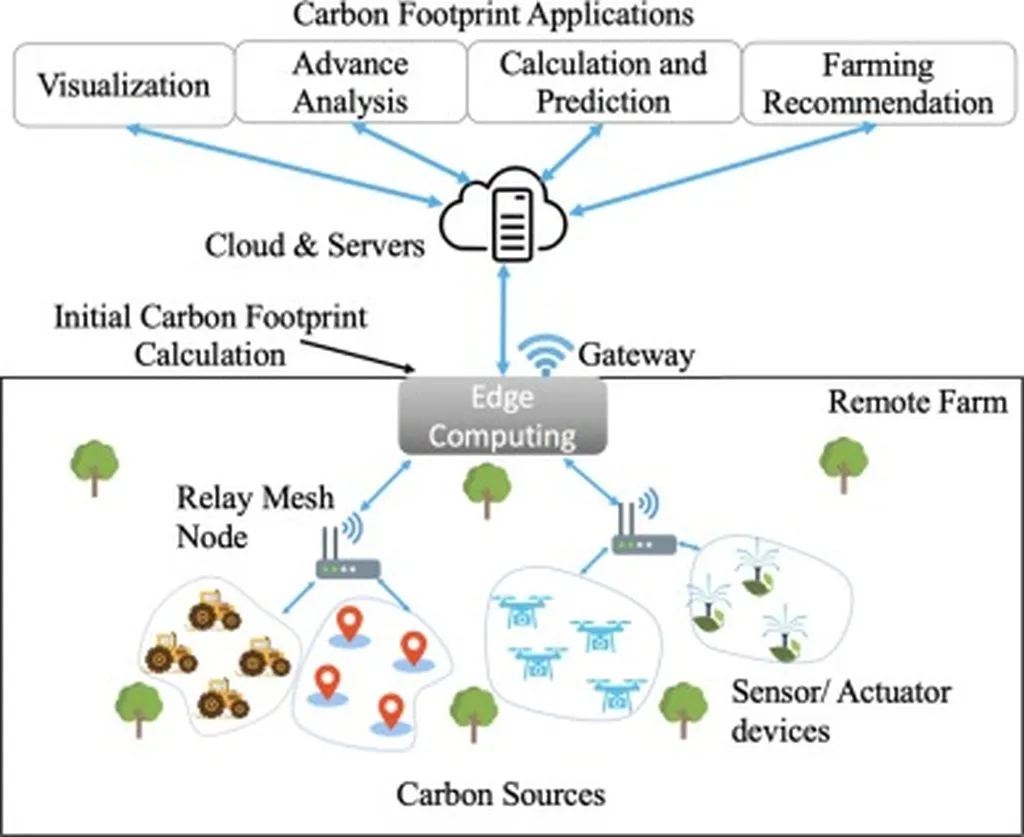
In the rapidly evolving world of digital agriculture, data is the new currency. As farms become smarter and more interconnected, the volume of data generated from various sources is growing exponentially. This data, when trusted and secure, can drive significant efficiencies and improvements in agricultural processes. However, ensuring the trustworthiness of this data is a complex challenge that researchers are now tackling head-on.
A recent study published in the EURASIP Journal on Wireless Communications and Networking introduces a comprehensive taxonomy aimed at enhancing data trustworthiness in digital agriculture. Led by Mir Ali Rezazadeh Baee from the School of Computer Science at Queensland University of Technology, the research provides a structured approach to classifying the technologies that underpin AgTech, thereby paving the way for more secure and efficient farming practices.
The study highlights the critical role of data trustworthiness in AgTech, emphasizing that security flaws can lead to significant disruptions in farming equipment and processes, resulting in substantial financial losses. “To obtain the benefits of AgTech, data trustworthiness is essential and cyber resilience is required,” Baee notes. This resilience is not just about protecting data but also about ensuring its quality, authenticity, and integrity.
The proposed taxonomy consists of seven main criteria that classify technologies based on their operational mechanisms, features, benefits, and limitations. This framework enables the effective implementation of anomaly detection and cryptographic methods, ensuring that data remains trustworthy throughout its lifecycle. The research also explores the integration of post-quantum cryptography with AgTech, a forward-thinking approach that could future-proof agricultural data security against emerging threats.
One of the most compelling aspects of this research is its practical application. The study demonstrates the usefulness of the proposed taxonomy through two real-world case studies, showcasing how a modular security framework can be designed and implemented to safeguard agricultural data. This practical insight is invaluable for farmers and AgTech developers looking to enhance their data security measures.
The commercial implications of this research are substantial. As the agriculture sector increasingly adopts digital technologies, the need for robust data security frameworks becomes paramount. Ensuring data trustworthiness can lead to more informed decision-making, improved operational efficiencies, and ultimately, higher yields and profitability for farmers. “Efficient AgTech with no security represents a serious risk to long-term sustainable smart farming and food security,” Baee warns, underscoring the importance of integrating security measures from the outset.
Looking ahead, this research could shape the future of AgTech by providing a clear roadmap for developing secure and trustworthy data systems. As the agriculture sector continues to evolve, the insights from this study will be instrumental in guiding the development of new technologies and practices that prioritize data security and resilience. By addressing the challenges of data trustworthiness head-on, the agriculture sector can harness the full potential of digital innovation, ensuring a sustainable and secure future for smart farming.