
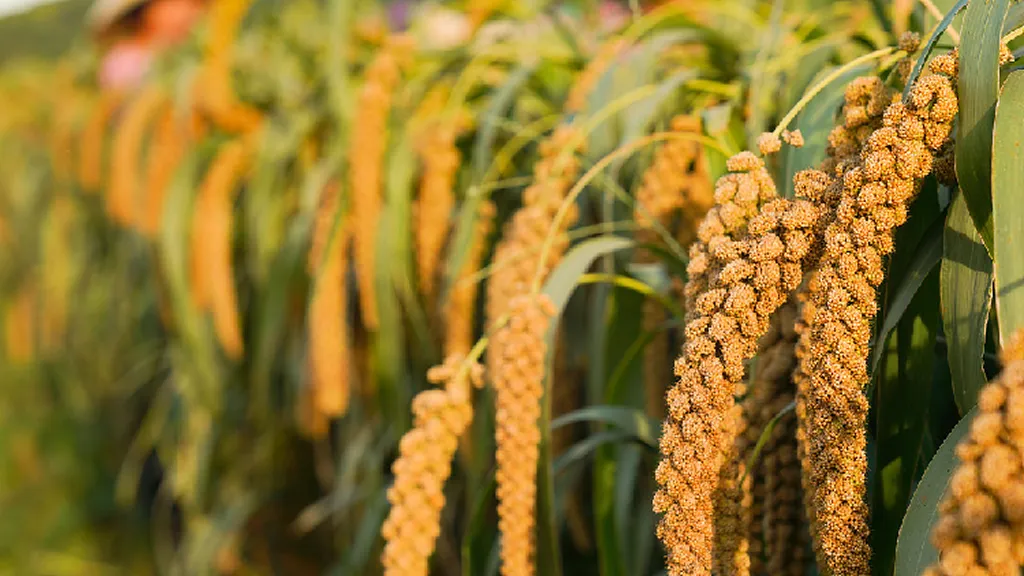
In the heart of China’s agricultural landscape, researchers have uncovered a fascinating interplay between nature and nurture that could reshape the future of foxtail millet, a staple crop with growing global appeal. A recent study published in *Food Chemistry: X* reveals how ecological factors and genetic traits jointly influence the nutritional quality and functional properties of foxtail millet, offering valuable insights for farmers, breeders, and the food industry.
Foxtail millet, known scientifically as *Setaria italica*, is a hardy crop that thrives in diverse environments. However, until now, the extent to which altitude, temperature, precipitation, and soil nutrients shape its nutritional composition and pasting properties has remained unclear. Led by Xin Zhao from Shanxi Agricultural University, the research team conducted field trials across three distinct ecological regions, combining traditional agronomy with advanced metabolomics techniques to paint a comprehensive picture of the crop’s potential.
The study found that altitude, effective accumulated temperature, and available potassium were key drivers of nutritional composition. “We observed significant variations in the levels of essential nutrients and bioactive compounds across different regions,” Zhao explains. “This suggests that farmers can optimize growing conditions to enhance the nutritional value of their crops.”
Pasting properties, crucial for food processing and product quality, were primarily influenced by precipitation and altitude. The team’s metabolomic analysis identified lipids, flavonoids, and alkaloids as the predominant classes of compounds in foxtail millet. High-altitude conditions were found to promote the accumulation of L-malic acid and flavonoid glycosides, while low-altitude regions favored phenolamine alkaloids and amino acid derivatives.
The research also highlighted cultivar-specific metabolic patterns. Traditional cultivars were rich in alkaloids and phenolic acids, known for their potential health-promoting properties. In contrast, modern cultivars were characterized by a distinct abundance of flavonoids, offering strong antioxidant activity. “This diversity presents exciting opportunities for breeders to develop new cultivars tailored to specific nutritional and functional requirements,” Zhao notes.
The commercial implications of this research are substantial. By understanding the ecological and genetic regulation of foxtail millet’s nutritional quality, farmers can make informed decisions about crop management and cultivar selection. Food manufacturers can leverage this knowledge to develop innovative, health-focused products that cater to the growing demand for functional foods.
Moreover, the study’s findings could drive advancements in breeding programs, with a focus on enhancing the crop’s nutritional profile and functional properties. “Our results provide a strategic roadmap for improving foxtail millet’s value as a functional food,” Zhao concludes. “This could open up new markets and revenue streams for farmers and the agriculture sector as a whole.”
As the global food industry continues to evolve, research like this is instrumental in shaping the future of sustainable and nutritious agriculture. With the insights gained from this study, foxtail millet is poised to take center stage in the quest for healthier, more resilient crops that meet the demands of a changing world.