
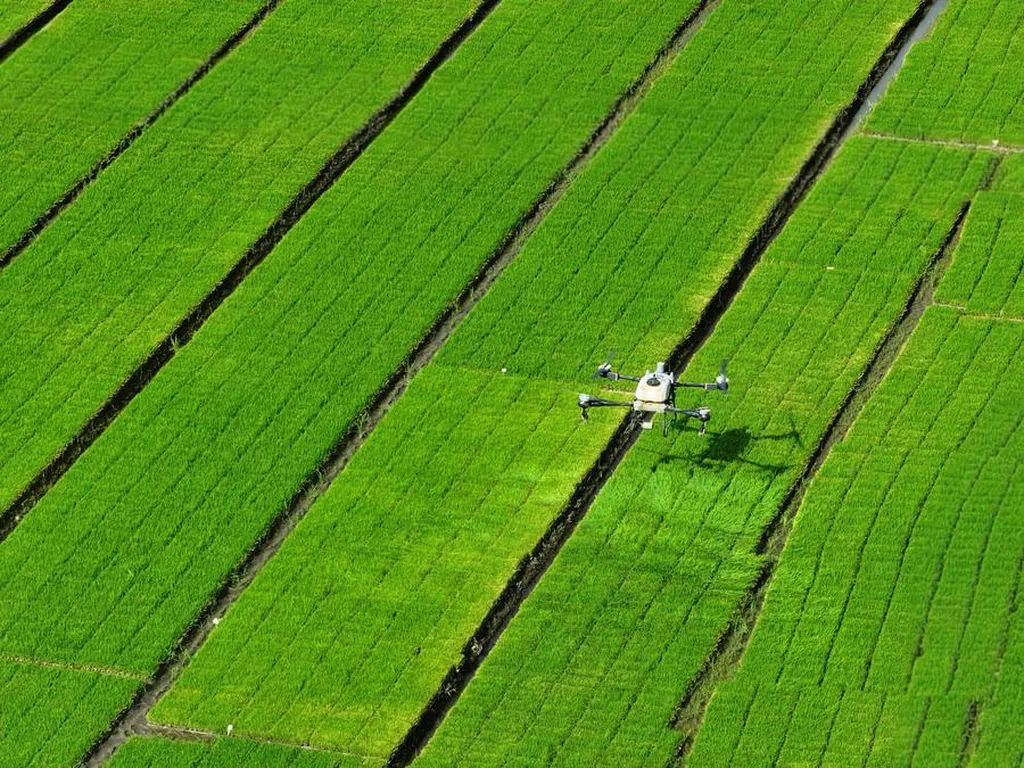
In the heart of China’s burgeoning green agriculture movement, a groundbreaking study has emerged, offering a fresh perspective on ecological farms and their potential to reshape the country’s agricultural landscape. Published in *Ecological Indicators*, the research, led by Xiangbo Xu of the Institute of Geographic Sciences and Natural Resources Research at the Chinese Academy of Sciences, employs unsupervised machine learning to classify and evaluate the performance of 678 national ecological farms.
The study identifies three distinct typologies: the National Varieties Fine Management Type (NVFMT), characterized by small-scale, specialty-crop operations with minimal synthetic inputs; the Diversified Business Type (DBT), which integrates vegetable production, agritourism, and high adoption of eco-measures; and the Large-scale Traditional Type (LTT), focused on grain cultivation with extensive land use and flood irrigation.
The findings reveal that while there are no significant economic differences across these types, the environmental and operational efficiencies vary considerably. “NVFMT and DBT exhibited 48–52% lower greenhouse gas (GHG) emission intensity than LTT,” Xu notes, attributing this to reduced fertilizer use and diversified practices. Moreover, the DBT achieved significantly higher total factor productivity (TFP) of 1.18 compared to NVFMT (0.68) and LTT (0.72), linked to operational diversity and technological integration.
The commercial implications of this research are profound. For agricultural businesses, the study underscores the potential of diversified and eco-friendly practices to enhance productivity and reduce environmental impact. “This research provides an evidence-based framework to guide targeted policies for sustainable agricultural transformation,” Xu explains, highlighting the role of machine learning in optimizing farm management strategies.
As China continues to integrate ecological farm construction into national plans, this study offers a crucial roadmap for stakeholders to navigate the complexities of sustainable agriculture. By leveraging machine learning and performance evaluation, the agricultural sector can make informed decisions that balance economic viability with environmental stewardship. The research not only advances the understanding of ecological farms but also sets a precedent for future developments in the field, paving the way for a greener, more efficient agricultural future.