
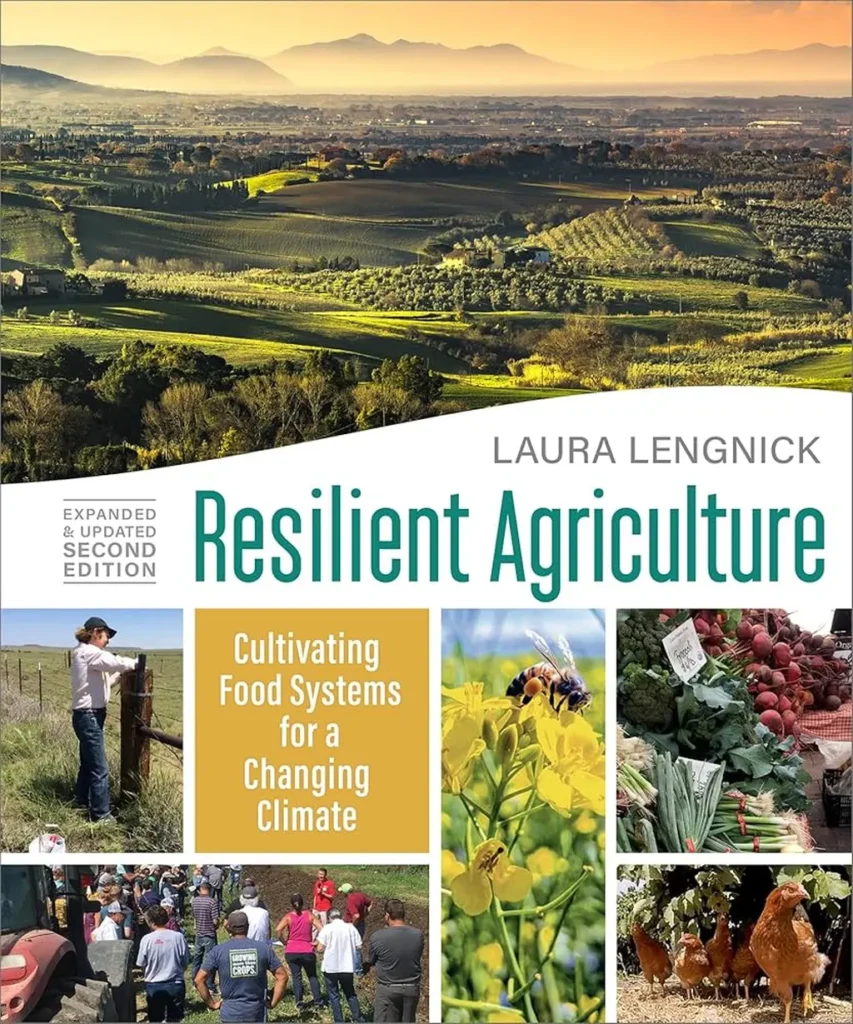
In the face of a rapidly changing climate, the agricultural sector is grappling with how to maintain productivity and sustainability. A recent perspective article published in *Discover Agriculture* offers a nuanced look at how integrating ecological and evolutionary frameworks can bolster agroecosystem resilience, potentially reshaping how farmers and policymakers approach climate-induced challenges.
The study, led by Fabian D. Menalled from the Department of Land Resources and Environmental Sciences at Montana State University, delves into three key frameworks: eco-evolutionary dynamics, ecological disturbance, and resilience and vulnerability. These frameworks provide a lens through which to understand why certain agricultural practices either mitigate or worsen the impacts of climate change.
“By understanding these frameworks, we can better design agroecosystems that are not just productive but also resilient to the perturbations brought on by climate change,” Menalled explains. This insight is critical for the agriculture sector, which faces increasing pressure to adapt to erratic weather patterns, shifting growing seasons, and new pest and disease pressures.
The article emphasizes the role of risk analysis in assessing an agroecosystem’s vulnerability to climate-induced disruptions. By identifying these vulnerabilities, farmers and researchers can develop targeted strategies to enhance resilience, ultimately safeguarding food security and human well-being.
One of the most compelling aspects of this research is its potential to influence commercial agricultural practices. As climate change continues to disrupt traditional farming methods, the integration of eco-evolutionary dynamics and risk assessment frameworks could lead to more adaptive and sustainable farming techniques. This shift could not only improve crop yields but also reduce the environmental footprint of agriculture, a win-win for both farmers and the planet.
The study also highlights the importance of designing food systems that can withstand the challenges posed by a changing climate. This holistic approach could pave the way for innovative agricultural technologies and practices, from drought-resistant crop varieties to integrated pest management strategies that leverage natural ecosystems.
As the agriculture sector navigates the complexities of climate change, research like this offers a roadmap for building resilience and ensuring long-term sustainability. By embracing these frameworks, farmers and policymakers can better prepare for the uncertainties ahead, securing a more stable and productive future for global agriculture.
The article, published in *Discover Agriculture* and led by Fabian D. Menalled from Montana State University, provides a timely and thought-provoking perspective on how to foster sustainable agricultural systems in an era of climate change.