
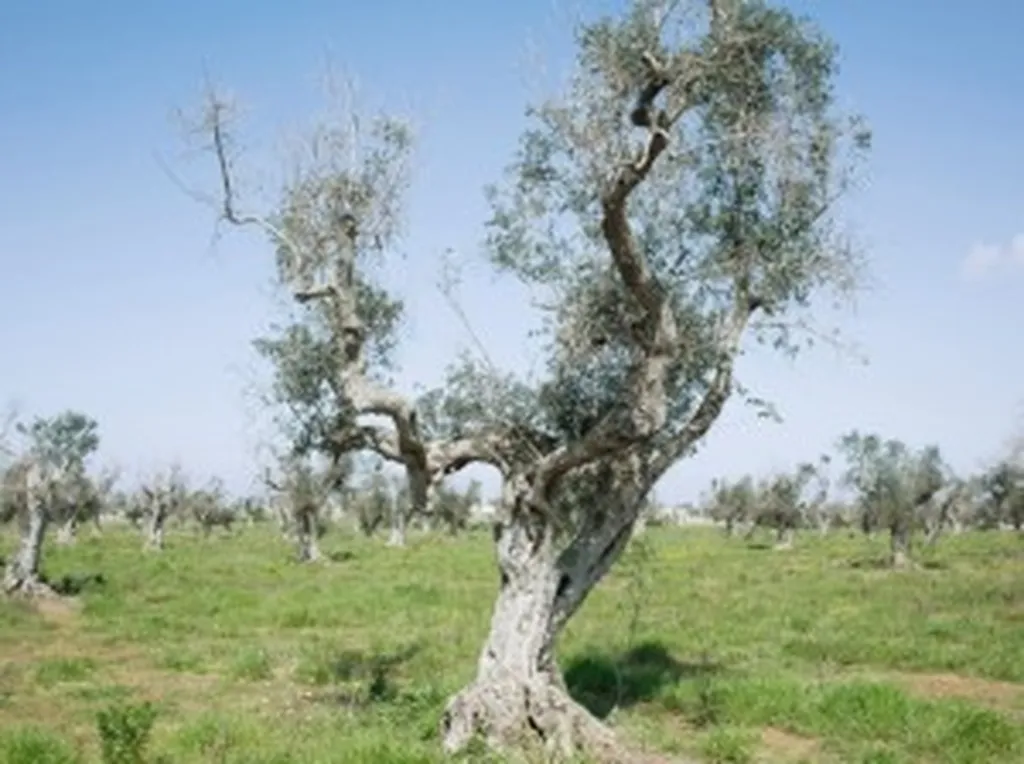
In the heart of Europe, a tiny insect is wreaking havoc on olive groves, and scientists are turning to its own natural enemies to fight back. The culprit is Philaenus spumarius, a froghopper that spreads the bacterium Xylella fastidiosa, responsible for the devastating Olive Quick Decline Syndrome in Southern Italy. But a recent study published in *Scientific Reports* offers a glimmer of hope, revealing the hidden world of viruses that naturally infect these insects, potentially paving the way for sustainable pest control.
For the first time, researchers led by Sara Ottati from the Institute for Sustainable Plant Protection (IPSP-CNR) have mapped the viral community of Philaenus spumarius across multiple European sites, including areas affected by Xylella fastidiosa. Over three years, they collected and sequenced 209 froghoppers, uncovering a surprising diversity of 26 RNA viruses. “We found a rich and structured viral community in populations from Northern Italy and France,” Ottati explains. “But in Southern Italy, where the Xylella outbreak is most severe, the viral diversity was much lower, and most individuals were virus-free.”
This discovery could have significant implications for agriculture. If these viruses naturally suppress froghopper populations or interfere with their ability to transmit Xylella, they could become powerful allies in the fight against the bacterium. “Although none of the detected viruses caused overt signs of mortality or sterility, their potential sublethal effects and ecological interactions remain unexplored,” Ottati notes. Understanding these dynamics could lead to innovative, environmentally friendly strategies for managing the pest and reducing the impact of Xylella on European agriculture.
The study also revealed that some virus–host associations persisted over time, suggesting stable interactions that could be harnessed for long-term control. Laboratory experiments provided initial insights into viral persistence and transmission, hinting at the complex ecological roles these viruses might play.
While the research is still in its early stages, the findings open up exciting possibilities for the future. “This study lays the groundwork for future research on the functional roles of insect-associated viruses,” Ottati says. By exploring these natural viral communities, scientists may uncover sustainable ways to manage pests without relying on chemical pesticides, benefiting both farmers and the environment.
As the agricultural sector faces increasing pressure to adopt sustainable practices, this research offers a promising avenue for innovation. The potential to develop biocontrol agents from these insect-specific viruses could revolutionize pest management, reducing economic losses and protecting vital crops. With further study, these tiny viruses might just become the unsung heroes in the battle against one of Europe’s most destructive plant pathogens.