
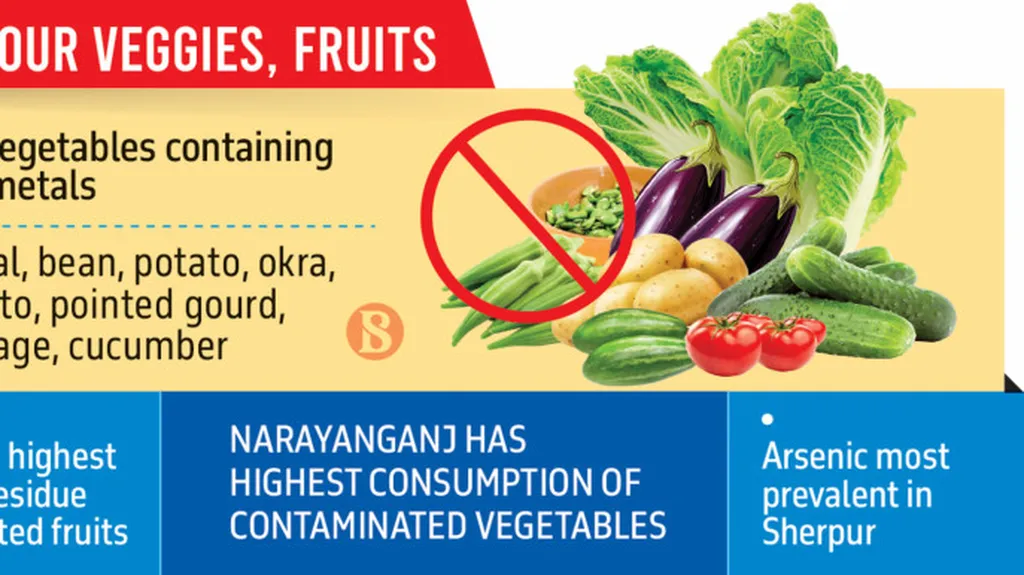
In the bustling agricultural heartland of Gujranwala, Pakistan, a silent threat lurks beneath the surface, one that could be seeping into our plates and posing significant risks to public health. A recent study published in *Discover Applied Sciences* has shed light on the alarming levels of heavy metals in vegetables irrigated with wastewater, raising critical questions about food safety and sustainable farming practices.
The research, led by Nida Mehboob from the Department of Biological Sciences at the University of Sialkot, focused on two commonly consumed vegetables: Spinacia oleracea (spinach) and Coriandrum sativum (coriander). Using Atomic Absorption Spectrophotometer (AAS), the team analyzed heavy metal contamination in wastewater, soil, and the vegetables themselves. The findings were stark.
“Various heavy metals surpassed WHO allowable limits in both vegetables and irrigation water,” Mehboob explained. In spinach, cobalt (Co), chromium (Cr), and lead (Pb) levels exceeded the World Health Organization (WHO) thresholds, with Co and Pb also surpassing limits in coriander. While soil levels remained below WHO limits except for cadmium, the wastewater used for irrigation showed concerning levels of Co, Cd, Cr, and Pb, all above the WHO’s safe limits for irrigation water.
The implications for the agriculture sector are profound. Wastewater irrigation is a common practice in many regions, driven by water scarcity and the need for cost-effective farming solutions. However, this study underscores the potential dangers of this practice, highlighting the urgent need for sustainable irrigation methods and robust monitoring systems.
“These exceedances underscore possible dangers from wastewater irrigation and eating contaminated vegetables in the study region,” Mehboob noted. The findings call for immediate action to implement wastewater treatment systems and establish routine monitoring to ensure food safety.
The commercial impacts are equally significant. Farmers relying on wastewater irrigation may face regulatory scrutiny and potential market restrictions if heavy metal contamination is not addressed. Consumers, too, may become more discerning about the sources of their produce, demanding transparency and safety assurances from farmers and food processors.
Looking ahead, this research could shape future developments in the field by advocating for integrated approaches to water management and food safety. It supports the United Nations’ Sustainable Development Goals (SDGs) 2 (Zero Hunger), 3 (Good Health and Well-being), and 6 (Clean Water and Sanitation), emphasizing the importance of safe irrigation methods and safeguarding food quality and public health.
As the agriculture sector grapples with these challenges, the study serves as a wake-up call, urging stakeholders to prioritize sustainable practices and invest in technologies that can mitigate heavy metal bioaccumulation. The path forward may be fraught with challenges, but the stakes are too high to ignore. The future of our food supply depends on it.