
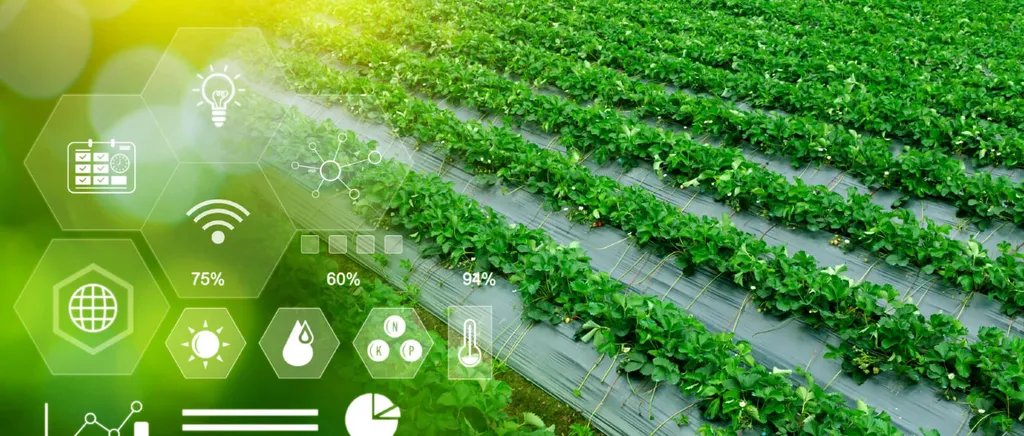
In the face of climate change and a burgeoning global population, the agricultural sector is under immense pressure to evolve. Traditional crop protection methods, while effective in the past, are increasingly falling short in meeting the demands of modern agriculture. Enter intelligent crop protection technologies, a suite of advanced tools and strategies designed to enhance decision-making, minimize resource utilization, and protect crops more effectively. A recent review published in *Discover Agriculture* delves into these innovations, highlighting their potential to revolutionize the industry.
The review, led by Bilal Ahmad of the College of Plant Protection at Jilin Agricultural University, explores the integration of several cutting-edge technologies. Among these, the Internet of Things (IoT) stands out for its ability to provide real-time monitoring of field conditions. “IoT devices, such as soil sensors, weather stations, and drones, offer unprecedented insights into the health and needs of crops,” Ahmad explains. This data-driven approach allows farmers to make more informed decisions, ultimately leading to improved yields and reduced waste.
Artificial intelligence (AI) and machine learning (ML) are also playing a pivotal role in crop protection. These technologies assist in early detection of pests and diseases through image analysis and predictive models. “By identifying threats before they become widespread, farmers can take targeted action, minimizing the need for broad-spectrum pesticides,” Ahmad notes. This not only reduces chemical use but also promotes more sustainable farming practices.
Robotics and automation are further enhancing the efficiency of tasks such as spraying and weeding. These technologies ensure precision and consistency, reducing the labor and resources required for these activities. Meanwhile, genome editing techniques, such as CRISPR, are being used to develop crop varieties with enhanced resistance to pests and diseases. This genetic approach offers a long-term solution to crop protection, reducing the reliance on chemical interventions.
The commercial impacts of these technologies are substantial. By reducing chemical use, conserving labor and resources, and promoting more sustainable practices, intelligent crop protection systems can significantly lower operational costs for farmers. Moreover, the enhanced productivity and resilience of crops can lead to increased profits and a more secure food supply.
Looking ahead, the adoption of these innovations is set to shape the future of agriculture. As Ahmad puts it, “The integration of these technologies is not just a trend; it’s a necessity. It’s about creating a more efficient, sustainable, and resilient agricultural system.” The review published in *Discover Agriculture* serves as a timely reminder of the potential of intelligent crop protection technologies to address the challenges of modern agriculture. As these tools continue to evolve, they promise to transform the way we grow and protect our crops, paving the way for a more sustainable future.