
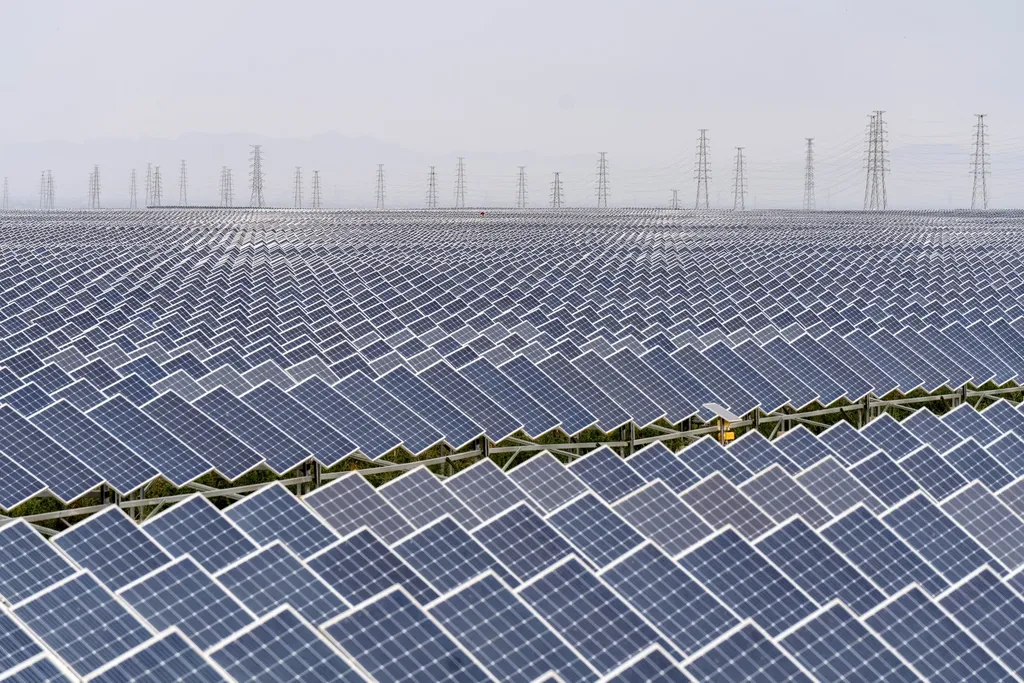
Global investment in clean technology reached an unprecedented high of $2.3 trillion last year, according to a comprehensive analysis by BloombergNEF. This surge in investment highlights a growing commitment to reducing reliance on fossil fuels and transitioning to sustainable energy sources. The data reveals significant investments across various sectors, including electric vehicles (EVs), renewable power, and power grids, with additional funding directed towards heat pumps, battery storage, and nuclear power.
China continues to lead the world in clean energy investment, although it experienced a slight decline in funding for renewable power due to new regulations that have temporarily slowed the expansion of wind and solar projects. Meanwhile, India and Europe saw substantial growth in clean energy investments, with increases of 15 percent and 18 percent, respectively. In contrast, the United States witnessed a modest rise of 3.5 percent in clean energy investment, despite a significant reduction in federal support under the Trump administration.
The analysis underscores that while the transition to clean energy is largely irreversible, it can be tempered by policy changes and economic factors. Prior to the Trump administration, electric vehicles were projected to capture nearly half of the U.S. car market by the end of this decade. However, current projections suggest that EVs will only account for about a third of U.S. car sales, reflecting the impact of reduced government support.
One emerging trend that could further slow the shift to clean energy is the growing protectionist measures in the U.S. and the European Union. As China dominates the manufacturing of solar panels, batteries, and electric vehicles, Western governments are increasingly imposing tariffs on Chinese imports to protect their nascent industries. Albert Cheung, a lead analyst at BloombergNEF, cautioned that these tariffs could drive up the costs of the clean energy transition. He advocated for a more strategic approach, suggesting that governments should seek investment opportunities in areas where their countries have a competitive advantage.
For the agriculture sector, the implications of increased investment in clean technology are profound. Agriculture is a significant contributor to greenhouse gas emissions, and the adoption of clean technologies can help reduce its carbon footprint. Investments in electric vehicles and renewable energy can lead to more sustainable farming practices, such as the use of electric tractors and irrigation systems powered by renewable energy. Additionally, advancements in battery storage and heat pumps can improve energy efficiency in agricultural operations, reducing costs and environmental impact.
Investors in the agriculture sector should take note of these trends and consider allocating resources to sustainable technologies. The shift towards clean energy presents opportunities for innovation and cost savings, which can enhance the long-term viability of agricultural enterprises. By embracing these technologies, the agriculture sector can contribute to global efforts to mitigate climate change while improving operational efficiency and profitability.
In conclusion, the record-high investment in clean technology signals a robust commitment to a sustainable future. While policy changes and economic factors can influence the pace of this transition, the overall trajectory towards clean energy remains strong. For the agriculture sector and investors, this presents a unique opportunity to innovate and adapt, ensuring a more sustainable and profitable future.