
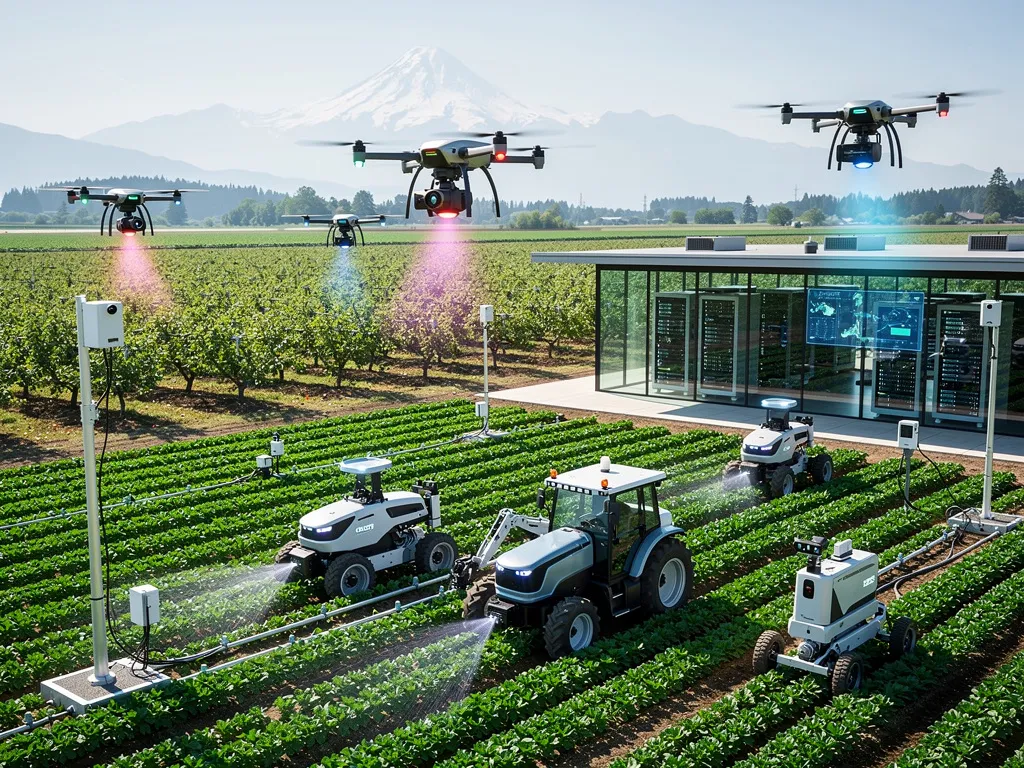
In the rapidly evolving world of agriculture, where technologies like robotics, artificial intelligence, and drones promise to revolutionize farming, a new approach to education is emerging that could significantly impact the sector’s future. A recent study published in *Advancements in Agricultural Development* explores how creative teaching methods, particularly storytelling, can help students critically assess the opportunities and risks associated with agricultural technologies. This approach aims to foster responsible innovation, ensuring that the next generation of agri-food professionals can navigate the complexities of modern farming.
The research, led by David C. Rose from Harper Adams University in the United Kingdom, focuses on the importance of exposing students to literature from Science and Technology Studies (STS), particularly the concept of responsible innovation. This concept is crucial for agri-food students as it enables them to anticipate the consequences of adopting different technologies and practices. “By understanding the potential impacts of new technologies, students can make more informed decisions that balance productivity with sustainability,” Rose explains.
The study describes the use of student-led stories of future agricultural utopias and dystopias as a tool for critical discussion. These narratives serve as a creative and engaging way to explore the opportunities and risks of various farming systems. For instance, students might imagine a future where drones and AI optimize crop yields with minimal environmental impact, or a scenario where over-reliance on technology leads to unforeseen ecological disasters. “Storytelling allows students to visualize the potential outcomes of their decisions, making the trade-offs more tangible and real,” Rose adds.
The commercial implications of this educational approach are substantial. As the agriculture sector increasingly adopts advanced technologies, the need for professionals who can critically evaluate their impacts becomes more pressing. Farmers, agribusinesses, and policymakers will benefit from a workforce that understands not only the technical aspects of these technologies but also their broader social, ethical, and environmental implications.
Moreover, this approach to education aligns with the United Nations’ Sustainable Development Goal 2: Zero Hunger. By fostering a deeper understanding of responsible innovation, students can contribute to developing farming practices that are not only productive but also sustainable and equitable. This holistic approach is essential for addressing global food security challenges and ensuring that technological advancements benefit all stakeholders in the agri-food system.
The research highlights the potential of creative teaching methods to shape the future of agriculture. By encouraging students to think critically and imaginatively about the impacts of technology, educators can prepare the next generation of agri-food professionals to make responsible decisions that will drive the sector forward. As the agriculture industry continues to evolve, the insights gained from this study could prove invaluable in fostering a more sustainable and resilient food system.
In the words of David C. Rose, “The future of farming is not just about adopting new technologies; it’s about understanding their consequences and making informed choices that benefit everyone.” This perspective is a powerful reminder of the importance of education in shaping the future of agriculture and ensuring that technological advancements are used responsibly and ethically.