
In the rapidly evolving landscape of technology, a new special issue published in *Technologies* is shedding light on the latest advancements in autonomous systems and artificial intelligence (AI). The collection, titled “Advanced Autonomous Systems and Artificial Intelligence Stage,” brings together fifteen peer-reviewed articles that explore the cutting-edge developments in AI-enabled and autonomous systems across various domains, including agriculture, transportation, and healthcare. This research could have significant commercial impacts, particularly in the agriculture sector, where the integration of autonomous systems and AI is poised to revolutionize farming practices.
The articles in this special issue cover a broad spectrum of applications, from renewable energy and intelligent transportation to agricultural robotics and space exploration. One of the key themes highlighted is the use of robust perception and navigation systems, which are crucial for the efficient operation of autonomous machines in real-world environments. “The integration of physical modeling, hybrid control architectures, and deep learning has significantly enhanced the operational robustness and reliability of these systems,” notes Liviu Marian Ungureanu, the lead author and a researcher at the Department of Mechanisms and Robots Theory, National University of Science and Technology Polytechnic Bucharest.
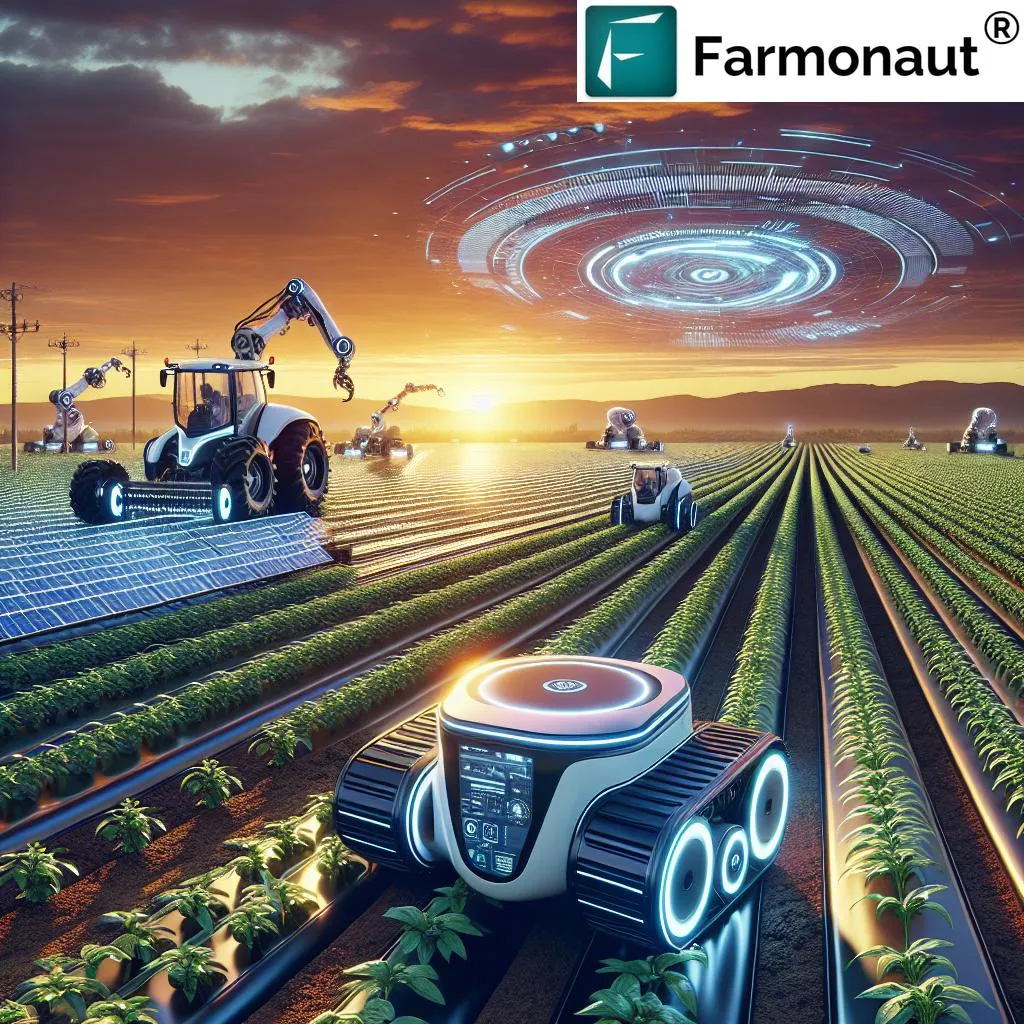
For the agriculture sector, the implications are profound. Autonomous systems equipped with advanced AI can perform tasks such as planting, monitoring, and harvesting with unprecedented precision and efficiency. This not only reduces the need for manual labor but also optimizes resource usage, leading to higher yields and lower costs. “The deployment of intelligent systems in large-scale agricultural contexts can transform the way we approach farming, making it more sustainable and productive,” Ungureanu explains.
The research also addresses challenges related to fall detection, predictive maintenance, and teleoperation safety, which are critical for ensuring the safe and effective deployment of autonomous systems in various environments. The articles emphasize the importance of resource-efficient embedded inference and human-machine interaction, which are essential for the seamless integration of these technologies into everyday operations.
As we look to the future, the advancements highlighted in this special issue point towards a world where autonomous systems and AI play a central role in shaping our daily lives. For the agriculture sector, this means a shift towards smarter, more efficient farming practices that can meet the growing demands of a global population. The research provides a valuable reference for understanding emerging trends, practical implementations, and future research directions, offering a glimpse into the transformative potential of these technologies.
In the words of Ungureanu, “This collection offers a consolidated and rigorous academic synthesis of current advances in Autonomous Systems and Artificial Intelligence, providing researchers and practitioners with a valuable reference for understanding emerging trends, practical implementations, and future research directions.” As we continue to explore the possibilities of these technologies, the insights gained from this special issue will undoubtedly shape the future of autonomous systems and AI, paving the way for a more efficient and sustainable world.