
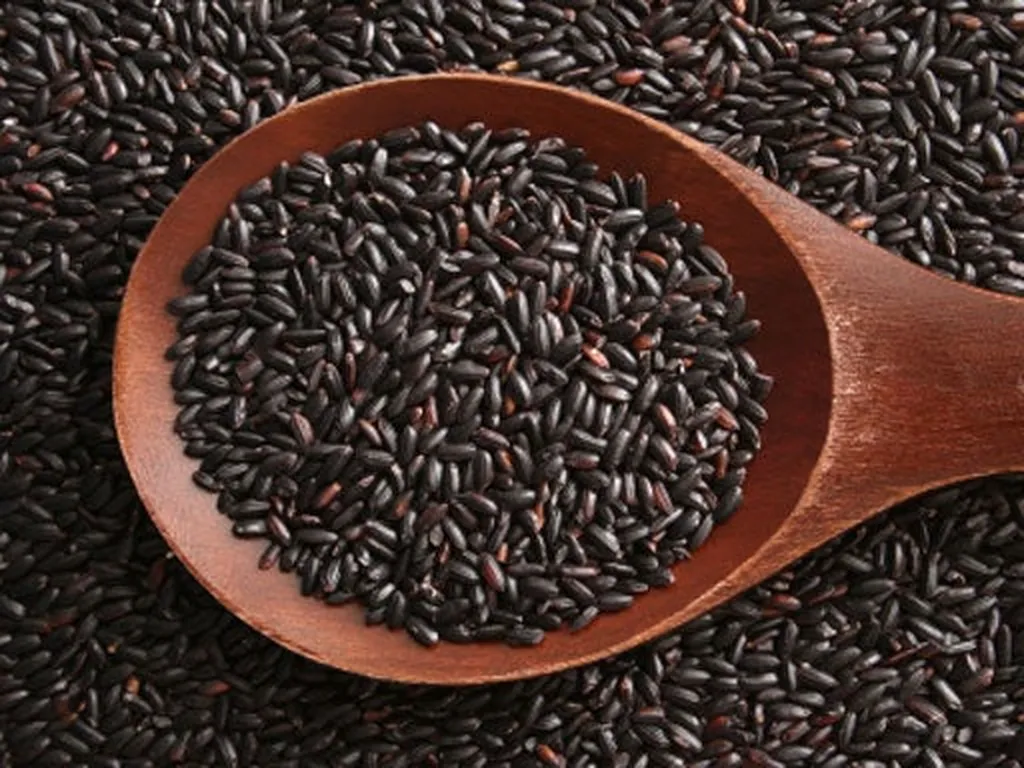
In the heart of Borneo, a humble grain is making waves in the world of nutrition and agriculture. Bario rice, an indigenous variety from Sarawak, Malaysia, has been found to possess remarkable antioxidant properties, according to a recent study published in the Indonesian Journal of Agricultural Research. The research, led by Macdalyna Esther Ronie from the Food Safety and Security Research Laboratory at Universiti Malaysia Sabah, sheds light on the potential health benefits and commercial value of these pigmented rice varieties.
The study focused on the total phenolic content (TPC), total flavonoid content (TFC), and antioxidant activity of Bario rice varieties, using the DPPH scavenging assay to measure their effectiveness. The results were striking. Pigmented varieties like BC, BT, and BMS showed significantly higher TPC compared to their non-pigmented counterparts, TQR and BAH. At 25 mg/ml, the TPC values for BC, BT, and BMS were 8.31, 4.69, and 4.0 mg GAE/g dry weight, respectively, while TQR and BAH recorded much lower values of 2.48 and 2.41 mg GAE/g dry weight.
“This substantial difference in phenolic content is a clear indicator of the enhanced nutritional value of pigmented Bario rice,” Ronie explained. The trend was consistent in the TFC measurements, with BMS showing the highest value of 3.06 mg QE/g at 3.5 mg/ml. The DPPH assay further confirmed the stronger antioxidant potential in pigmented rice, particularly BC, which achieved 59.61% inhibition at 70 mg/ml.
The enhanced antioxidant capacity of these pigmented varieties is attributed to the retention of rice bran, which is rich in phytochemicals. This finding not only highlights the nutritional potential of Bario rice but also opens up new avenues for the agriculture sector. The commercial implications are significant, as the demand for health-promoting foods continues to rise globally. Farmers and agribusinesses could benefit from cultivating and marketing these nutrient-rich rice varieties, tapping into the growing market for functional foods.
The study’s findings suggest that Bario rice could play a pivotal role in promoting human health, offering a natural and sustainable solution to the increasing demand for antioxidant-rich diets. As Ronie noted, “The retention of rice bran during processing is crucial for preserving these beneficial compounds. This could influence future processing methods to maximize the nutritional value of rice.”
The research also underscores the importance of preserving and studying indigenous crops, which often hold untapped potential for addressing modern health challenges. By focusing on these traditional varieties, scientists and farmers can work together to develop crops that are not only resilient and adaptable but also nutritionally superior.
As the world grapples with the dual challenges of food security and health, the Bario rice varieties offer a promising solution. Their antioxidant properties and nutritional benefits could make them a valuable addition to global diets, while also providing economic opportunities for farmers and agribusinesses. The study by Ronie and her team is a testament to the power of scientific research in unlocking the potential of indigenous crops, paving the way for a healthier and more sustainable future.