
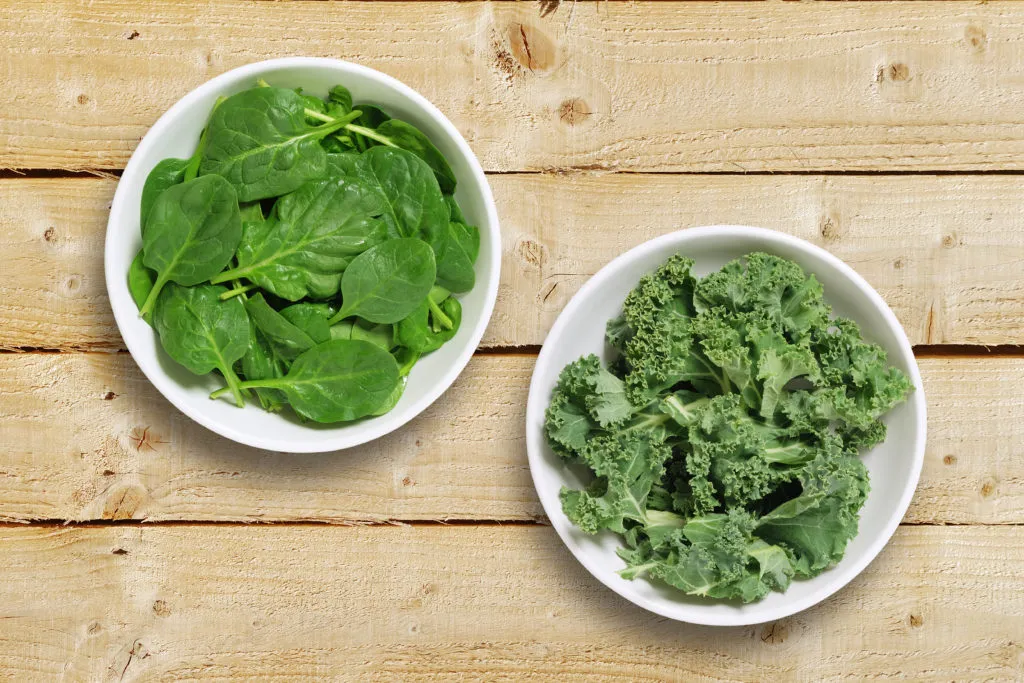
In a world grappling with climate change, understanding how elevated carbon dioxide (CO2) levels affect our food crops is becoming increasingly important. A recent study published in the journal ‘Biology’ has shed new light on this very issue, focusing on two nutrient-rich leafy vegetables: kale and spinach. The research, led by Jiata U. Ekele from the School of Biological and Environmental Sciences at Liverpool John Moores University, reveals a complex interplay between crop yield and nutritional quality under elevated CO2 conditions.
The study, a meta-analysis following the Collaboration for Environmental Evidence (CEE) guidelines, systematically reviewed existing research to quantify the effects of elevated CO2 (eCO2) on these crops. The findings indicate that while eCO2 significantly boosts biomass production in both spinach (with an effect size of 1.21) and kale (0.97), it simultaneously leads to a decline in protein content and mineral concentrations, particularly calcium and magnesium.
“This is a trade-off that we need to be aware of,” Ekele explains. “While elevated CO2 levels might initially seem beneficial for crop yield, the reduction in nutritional quality poses a significant challenge for food security and public health.”
The commercial implications of these findings are substantial. As CO2 levels continue to rise, farmers may see increased yields, but the nutritional value of their crops could diminish. This could impact the market value of these vegetables and potentially affect consumer health. Moreover, the study highlights the variability in plant responses to different CO2 concentrations and exposure times, underscoring the complexity of the issue.
So, what does this mean for the future of agriculture? The study suggests that strategies such as targeted breeding programs, biofortification, precision agriculture, and improved sustainable agricultural practices could help mitigate these effects. “We need to start thinking about how we can adapt our agricultural practices to ensure that our food remains nutritious, even as our environment changes,” Ekele says.
This research provides critical evidence for policymakers, scientists, and farmers to design sustainable food systems that can withstand the challenges posed by a changing climate. As we move forward, it’s clear that a one-size-fits-all approach won’t suffice. Instead, a nuanced understanding of these complex interactions will be key to safeguarding our food security and public health.
In the face of climate change, this study serves as a stark reminder of the delicate balance between yield and nutrition. It’s a call to action for the agricultural sector to innovate and adapt, ensuring that our food remains not just abundant, but also nutritious. After all, in a world where the very air we breathe is changing, the food on our plates may be the next battleground in the fight for a sustainable future.