
In the quest for sustainable cooling solutions, researchers have been making significant strides, particularly in the realm of evaporative cooling technology. A recent review published in *Energies* systematically examines the latest advancements and diverse applications of direct and indirect evaporative cooling across multiple sectors, with a keen focus on agriculture and food preservation. The study, led by Lin Xia from the School of Nuclear Science, Energy and Power Engineering at Shandong University, offers a comprehensive look at how these technologies are reshaping industries and improving efficiency.
Evaporative cooling, a process that leverages the natural cooling effect of water evaporation, has been a game-changer in various fields. The review highlights its application in industrial and energy engineering, the built environment, agriculture, transportation, aerospace, and emerging interdisciplinary areas. One of the standout findings is the substantial performance gains achieved through hybrid systems. For instance, in data centers, these systems can increase annual energy-saving potential by 14% to 41%. This is a significant leap forward, especially considering the high energy demands of data centers globally.
In the agriculture sector, the impact is equally profound. Precision root-zone cooling in greenhouses has been shown to boost crop yields by 13.22%. This technology is particularly beneficial in regions with extreme climates, where maintaining optimal growing conditions can be challenging. “The ability to precisely control the root-zone temperature allows farmers to create an ideal environment for their crops, leading to higher yields and better quality produce,” explains Lin Xia. This not only enhances productivity but also contributes to food security and sustainability.
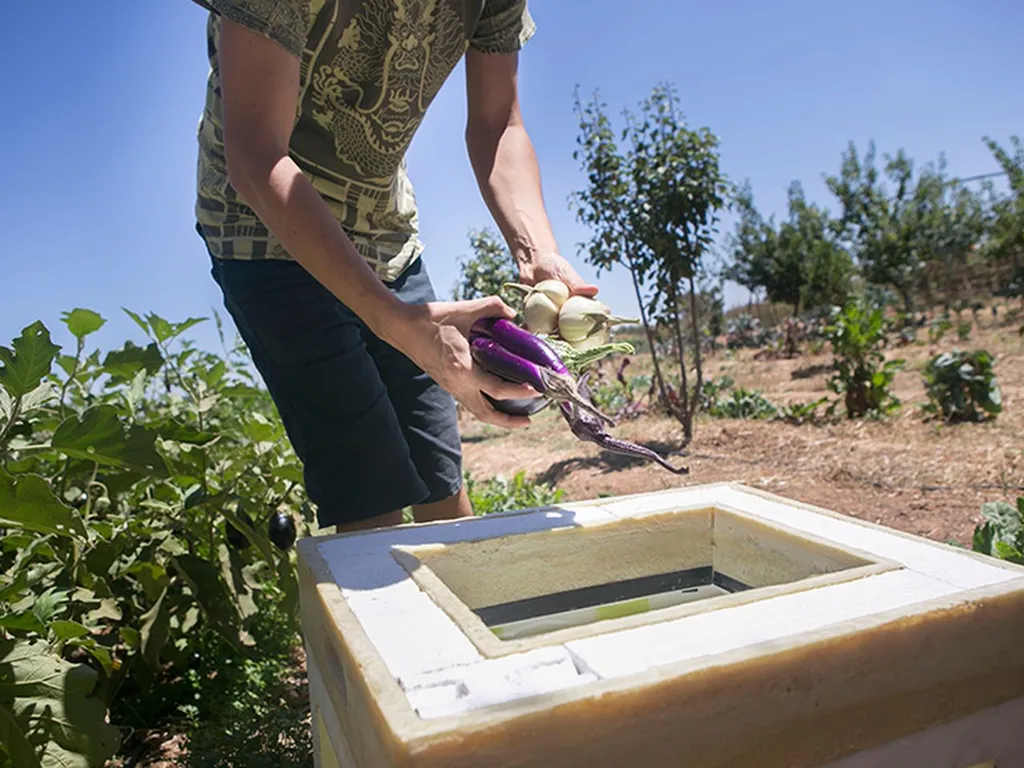
Post-harvest losses are another critical area where evaporative cooling technology is making a difference. Passive cooling blankets, for example, can reduce losses by up to 45%. This is a significant achievement, especially in developing countries where post-harvest losses can be as high as 50% due to inadequate storage and transportation facilities. By implementing these technologies, farmers can ensure that their produce reaches the market in optimal condition, thereby increasing their income and reducing food waste.
The review also addresses the challenges of climate adaptability and water resource management. Innovative strategies to overcome humidity bottlenecks include vacuum-assisted membranes, advanced porous materials, and hybrid radiative-evaporative systems. These advancements are crucial for ensuring the widespread adoption of evaporative cooling technologies, particularly in regions with high humidity levels.
Sustainable water management is another key focus of the study. Techniques such as rainwater harvesting, seawater utilization, and atmospheric water capture are being explored to ensure that evaporative cooling systems are both efficient and environmentally friendly. “By integrating these water management strategies, we can make evaporative cooling technologies more sustainable and accessible, even in water-scarce regions,” notes Lin Xia.
The findings of this review provide a comprehensive framework for the future development and commercialization of sustainable cooling technologies. As the world grapples with the impacts of climate change, the need for efficient and sustainable cooling solutions has never been greater. The advancements in evaporative cooling technology offer a promising path forward, with the potential to transform industries and improve lives.
For the agriculture sector, the implications are particularly exciting. The ability to boost crop yields and reduce post-harvest losses through innovative cooling technologies can have a profound impact on global food security. As researchers continue to refine these technologies, we can expect to see even greater advancements in the years to come. The work of Lin Xia and his team at Shandong University is a testament to the power of innovation and the potential of sustainable technologies to shape a better future.