
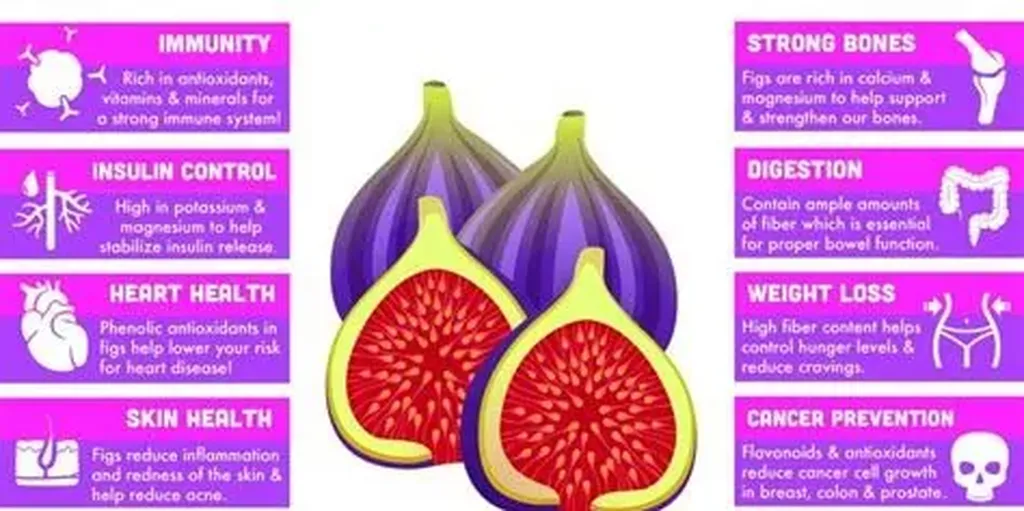
In the quest to understand the intricate dance between diet and gut health, researchers have turned their attention to a humble yet powerful player: dietary fiber from figs. A recent study published in *Food Chemistry: X* has shed light on how different types of dietary fibers from Ficus carica L. (commonly known as figs) can influence gut microbiota and metabolites, opening up new avenues for functional food design and agricultural innovation.
The study, led by Yu Wang from the College of Smart Agriculture at Xinjiang University, extracted three types of dietary fibers (DFs) from figs: soluble DF (FSDF), insoluble DF (FIDF), and total DF (FTDF). These fibers were then subjected to in vitro fecal fermentation to observe their effects on gut microbiota and metabolites.
The results were intriguing. Galacturonic acid and arabinose in FSDF showed a positive correlation with Parasutterella, a genus of bacteria known to play a role in gut health. Interestingly, Parasutterella was also associated with valeric acid, a short-chain fatty acid that has been linked to various health benefits. “This suggests that soluble dietary fibers from figs could potentially promote the growth of beneficial bacteria and the production of health-promoting metabolites,” Wang explained.
On the other hand, xylose in FIDF was positively correlated with Megamonas, another gut bacterium, which in turn was positively correlated with acetic acid. Both FSDF and FIDF showed a downregulatory effect on Fusobacterium, a genus that includes species associated with various diseases. This effect was linked to an increase in acetic acid levels. However, while FTDF also had a regulatory effect on Fusobacterium, it did not significantly affect acetic acid levels.
These findings highlight the distinct effects that different types of fig-derived dietary fibers can have on gut microbiota and metabolites. “Our data suggest that the structural characteristics of dietary fibers play a crucial role in their functional properties,” Wang noted. This insight could pave the way for the development of targeted functional foods that harness the unique properties of different dietary fibers.
For the agriculture sector, these findings could have significant commercial implications. As consumer demand for functional foods continues to grow, there is a growing opportunity for farmers and food manufacturers to capitalize on the health benefits of figs and other fiber-rich crops. By understanding and leveraging the unique properties of different dietary fibers, they can develop innovative products that cater to the evolving needs of health-conscious consumers.
Moreover, this research could inspire further studies into the functional properties of dietary fibers from other crops, potentially unlocking new opportunities for agricultural innovation and value addition. As we continue to unravel the complex interplay between diet and gut health, the humble fig stands as a testament to the power of nature’s bounty in promoting human well-being.