
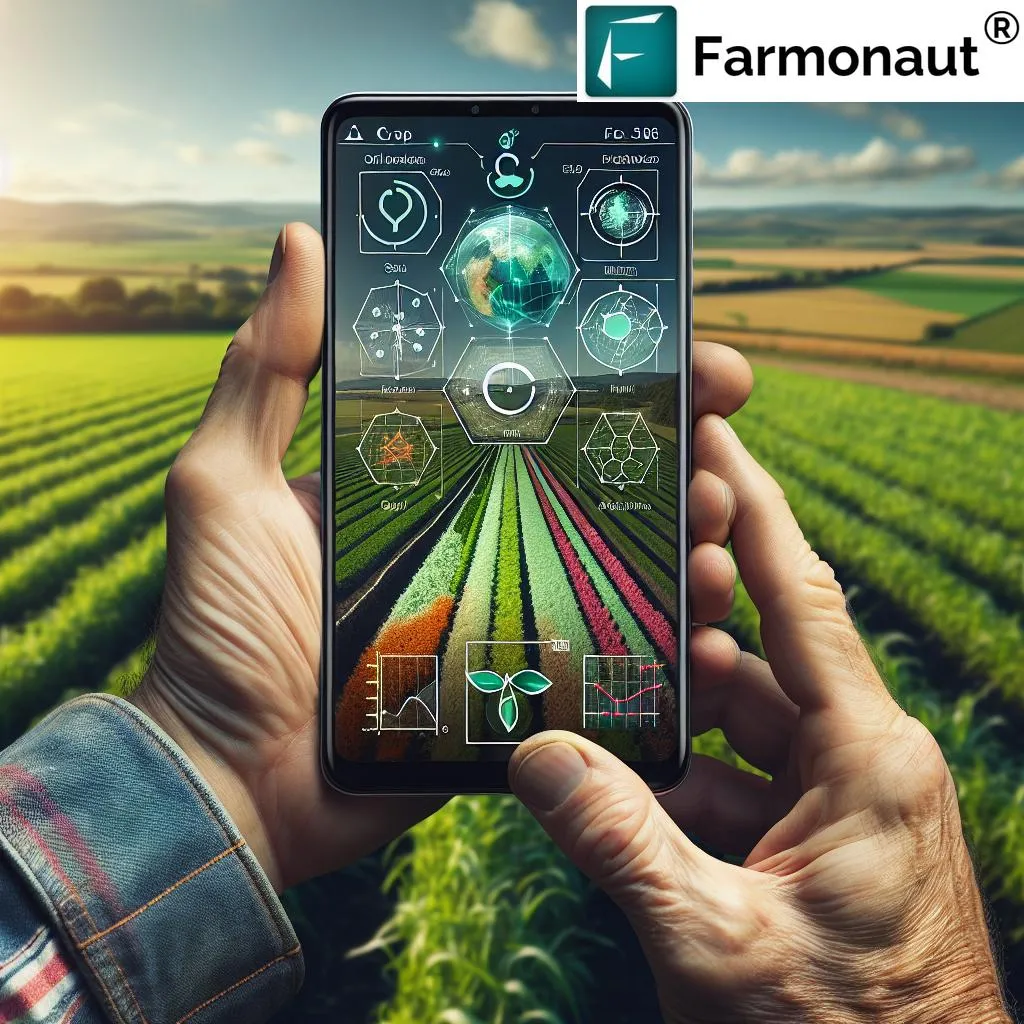
In the heart of China’s agricultural innovation, a groundbreaking study is reshaping how farmers and agribusinesses monitor crops and manage resources. The second edition of “Novel Applications of Optical Sensors and Machine Learning in Agricultural Monitoring,” published in the journal *Agriculture*, offers a glimpse into a future where technology and agriculture intersect to create unprecedented efficiencies. Led by Haikuan Feng of the College of Information and Management Science at Henan Agricultural University, this research is not just academic—it’s a practical tool poised to transform the agricultural sector.
The study delves into the integration of optical sensors and machine learning (ML) technologies, providing real-time, precise insights into crop health, growth dynamics, and environmental interactions. These technologies are not new, but their application in agriculture is rapidly evolving. Optical sensors capture detailed data about plant health, soil conditions, and environmental factors, while machine learning algorithms analyze this data to predict trends, identify issues, and recommend actions. The result is a more informed, data-driven approach to farming that can significantly boost productivity and sustainability.
“Optical sensors and machine learning are revolutionizing agricultural monitoring,” says Feng. “They enable us to gather and analyze data in ways that were previously impossible, allowing farmers to make more informed decisions and optimize their operations.”
The commercial impacts of this research are substantial. For farmers, the ability to monitor crops in real-time means early detection of diseases, pests, and nutrient deficiencies, reducing crop losses and increasing yields. For agribusinesses, the insights gained from this technology can inform better resource management, from water usage to fertilizer application, leading to cost savings and improved sustainability.
The study also highlights the potential for these technologies to be integrated into existing agricultural systems, making them accessible to a wide range of stakeholders. “The goal is to make these technologies practical and affordable for farmers of all sizes,” Feng explains. “By doing so, we can help create a more resilient and productive agricultural sector.”
Looking ahead, the research suggests that the future of agricultural monitoring lies in the continued development and integration of these technologies. As optical sensors become more sophisticated and machine learning algorithms more accurate, the potential for these tools to transform agriculture grows. This could lead to the development of smart farms that are fully automated and optimized for maximum efficiency, or the creation of new agricultural practices that are more sustainable and environmentally friendly.
The study published in *Agriculture* and led by Haikuan Feng at Henan Agricultural University is a testament to the power of technology to drive innovation in agriculture. As these technologies continue to evolve, they promise to reshape the agricultural sector, making it more efficient, sustainable, and resilient. The future of farming is not just about growing crops—it’s about harnessing the power of data and technology to create a more productive and sustainable world.