
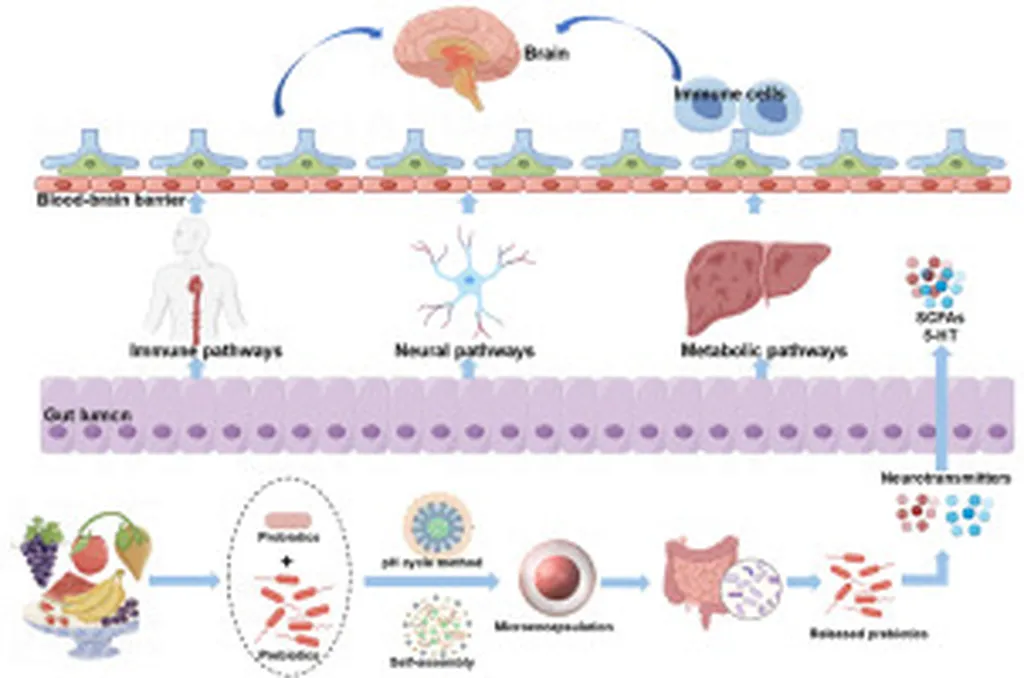
In the burgeoning world of functional foods, a recent study published in the journal *Foods* has shed light on a novel approach to enhancing the immune-boosting potential of *Ganoderma lucidum*, a medicinal mushroom with a long history in traditional medicine. The research, led by Dilireba Shataer from the College of Smart Agriculture at Xinjiang University, explores the optimization of probiotic fermentation processes for *Ganoderma lucidum* juice (GFJ), offering promising insights for the agriculture and nutraceutical industries.
Fermentation, a process long celebrated for its role in food preservation and flavor enhancement, has recently been recognized for its potential to boost the nutritional profile of various substrates. While dairy, fruits, vegetables, and grains have been the primary focus of probiotic fermentation, Shataer and her team have ventured into the relatively unexplored territory of medicinal fungi. “We aimed to bridge the gap between traditional medicine and modern food science,” Shataer explained, highlighting the dual-purpose nature of *Ganoderma lucidum* as both a food and a medicinal resource.
The study employed a systematic approach to optimize the fermentation process, utilizing a uniform design experiment to determine the optimal inoculation ratios for five probiotic strains. The team found that specific ratios of *Bifidobacterium animalis*, *Lacticaseibacillus paracasei*, *Lacticaseibacillus rhamnosus*, *Pediococcus pentosaceus*, and *Pediococcus acidilactici* yielded the best results. Furthermore, response surface methodology was used to establish optimal fermentation parameters, including a 24-hour fermentation period at 37°C, a final cell density of 5 × 10^6 CFU/mL, and a sugar content of 4.5 °Brix.
The fermented GFJ was then tested on RAW264.7 macrophages, where it demonstrated significant enhancements in phagocytic activity and nitric oxide (NO) secretion, indicating improved immune characteristics. “The results were quite remarkable,” Shataer noted. “The fermented GFJ showed a marked increase in immune-boosting properties compared to the unfermented juice.”
To delve deeper into the metabolic changes occurring during fermentation, the researchers conducted untargeted metabolomics profiling. This analysis revealed an upregulation of functional metabolites, including polyphenols, prebiotics, functional oligosaccharides, and Ganoderma triterpenoids (GTs). Notably, compounds such as myricetin-3-O-rhamnoside, luteolin-7-O-glucuronide, raffinose, sesamose, and Ganoderma acids were found to be significantly increased. These metabolic changes correlated with enhanced functional properties, such as heightened superoxide dismutase activity and immunomodulatory capacity.
The implications of this research for the agriculture sector are substantial. As consumer demand for functional foods continues to grow, the development of value-added products from medicinal fungi like *Ganoderma lucidum* presents a lucrative opportunity. The optimized fermentation process described in this study could pave the way for the commercial production of immune-enhancing beverages and nutraceuticals, thereby diversifying revenue streams for agricultural producers and processors.
Moreover, the study’s findings could inspire further research into the fermentation of other medicinal plants and fungi, potentially unlocking a wealth of bioactive compounds with health-promoting properties. “This is just the beginning,” Shataer remarked. “The integration of traditional knowledge with modern biotechnology holds immense potential for the development of novel functional foods.”
As the global market for functional foods and nutraceuticals continues to expand, the optimization of fermentation processes for medicinal fungi represents a promising avenue for innovation. The research led by Dilireba Shataer, published in *Foods* and affiliated with the College of Smart Agriculture at Xinjiang University, not only advances our understanding of probiotic fermentation but also highlights the potential for agricultural diversification and value addition. By harnessing the power of fermentation, the agriculture sector can tap into the growing demand for health-enhancing products, ultimately contributing to a more sustainable and profitable future.