
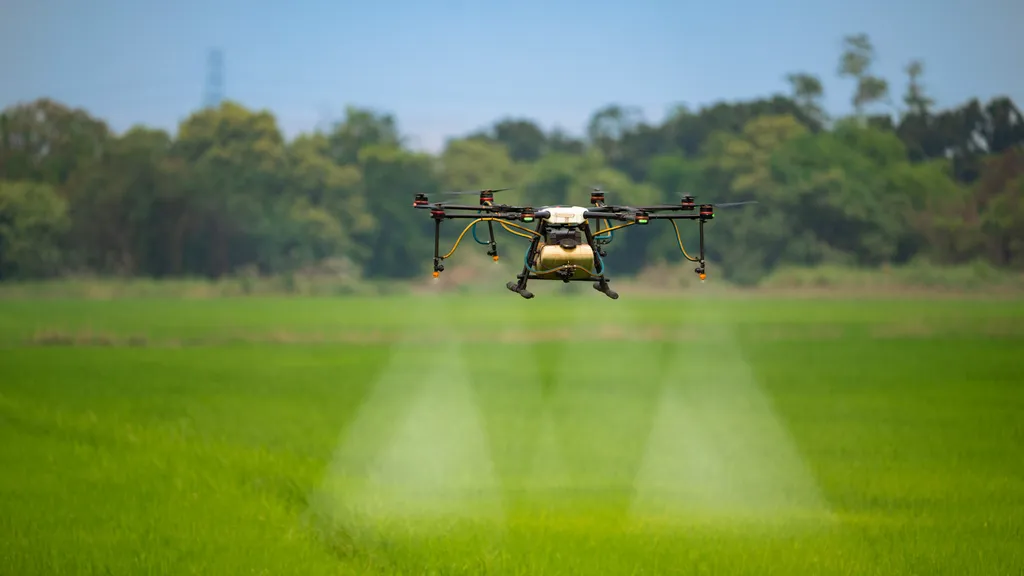
In the heart of West Bengal, a quiet revolution is taking flight, one that promises to reshape the future of Indian agriculture. Drones, or unmanned aerial vehicles (UAVs), are emerging as powerful tools in the fight against declining productivity and labor shortages, offering a glimpse into a more efficient and sustainable future for farming.
A recent study published in the Malaysian Journal of Sustainable Agriculture, led by Bappa Hosen from the Department of Geography at Ranchi University, has shed light on the transformative potential of drone-assisted agriculture. The research, which compared the practices of 100 UAV-adopting farmers with 140 conventional farmers, revealed significant economic and operational advantages.
“UAV-assisted farming increases economic efficiency by approximately 88%,” Hosen said, highlighting the dramatic impact of this technology. The study found that drones help reduce cultivation costs by about 32% and enhance farmer incomes by 41–45%. These improvements are largely due to precise resource management, reduced wastage, and targeted interventions, which optimize the application of water, fertilizers, and pesticides.
The commercial implications of these findings are substantial. As the agriculture sector grapples with labor shortages and the impacts of climate change, drones offer a scalable solution that can enhance productivity and profitability. Precision agriculture, enabled by UAVs, allows farmers to make data-driven decisions, leading to more efficient use of resources and higher yields.
However, the path to widespread adoption is not without challenges. High initial costs, lack of technical expertise, and regulatory hurdles pose significant barriers, particularly for smallholders. To unlock the full potential of UAVs, targeted policy interventions are crucial. Subsidies, training programs, and initiatives to improve technology access can play a pivotal role in accelerating adoption.
The research by Hosen and his team bridges a critical gap in understanding the economic impact of UAV adoption in Indian agriculture. It underscores the need for a supportive ecosystem that fosters innovation and empowers farmers to embrace new technologies.
As the agriculture sector looks to the future, the insights from this study offer a roadmap for leveraging drone technology to drive economic efficiency and sustainability. The quiet revolution in West Bengal’s fields could very well be the harbinger of a broader transformation in Indian agriculture, shaping the way farmers cultivate crops and manage resources for years to come.