
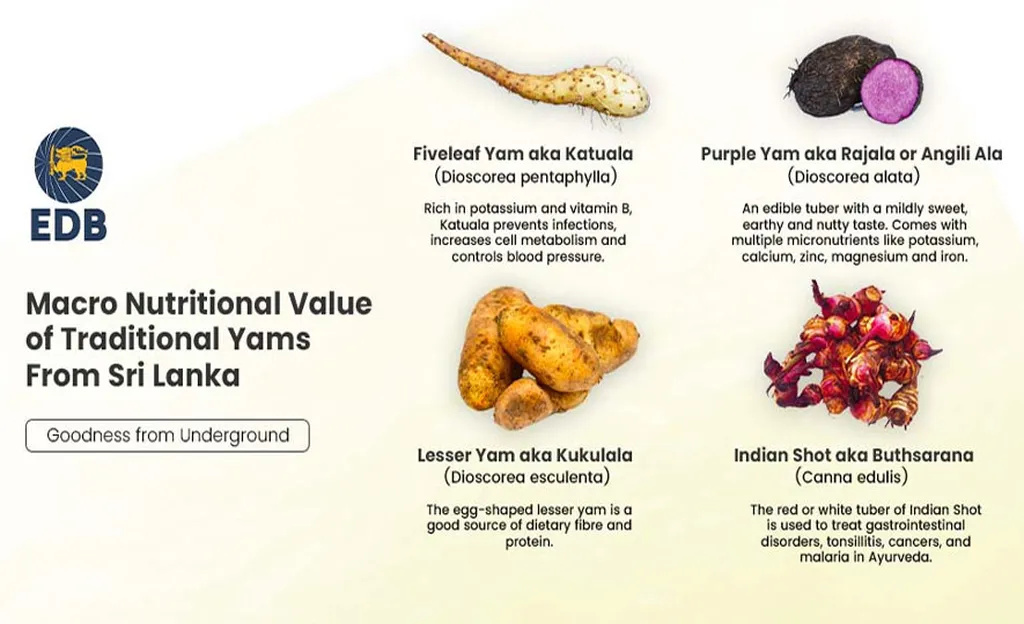
In the lush, tropical landscapes of Sri Lanka, a humble root crop has long been a cornerstone of the island’s agriculture and culinary traditions. A recent study published in the Malaysian Journal of Sustainable Agriculture has shed light on the rich diversity of yams cultivated and consumed in Sri Lanka, highlighting their distinct characteristics, nutritional value, and culinary applications. The research, led by Faiz MMT Marikar of the General Sir John Kotelawala Defence University in Ratmalana, Sri Lanka, explores 24 unique yam varieties, each contributing to the country’s agricultural economy and cultural heritage.
Yams such as Kaha Gahala, Kukulu Ala, and Katu Ala have been integral to Sri Lanka’s agricultural landscape and traditional cuisine for generations. These varieties differ in texture, shape, and flavor, offering a range of culinary possibilities. From savory curries to crispy fried snacks, yams are a versatile ingredient in Sri Lankan kitchens. “Each variety brings something unique to the table, not just in terms of taste but also in nutritional content,” Marikar explains. “This diversity is a treasure trove for both farmers and consumers.”
The study underscores the nutritional benefits of yams, which are rich in carbohydrates, fiber, and essential minerals like potassium. These nutrients make yams a vital energy source for the local population. Varieties like Sevela Alayam, known for its smooth texture and mild sweetness, offer versatile cooking options while enhancing the nutritional profile of Sri Lankan meals. “Yams are not just a food source; they are a part of our cultural heritage,” Marikar notes. “Their continued importance in everyday diets highlights their significance in our agricultural economy.”
The research provides insights into the role of yams in Sri Lanka’s agricultural economy and culinary traditions. By examining these 24 yam varieties, the study offers a comprehensive look at their impact on the island’s food security and cultural identity. The findings could shape future developments in the field, encouraging farmers to diversify their crops and explore new markets for these nutritious root vegetables.
As the global demand for sustainable and nutritious food sources grows, the study’s emphasis on the diversity and nutritional value of Sri Lankan yams could open new avenues for the agriculture sector. By promoting these unique varieties, farmers can tap into niche markets, both locally and internationally, enhancing their livelihoods and contributing to the country’s economic growth. The research not only celebrates the rich agricultural heritage of Sri Lanka but also paves the way for innovative approaches to food security and sustainable agriculture.