
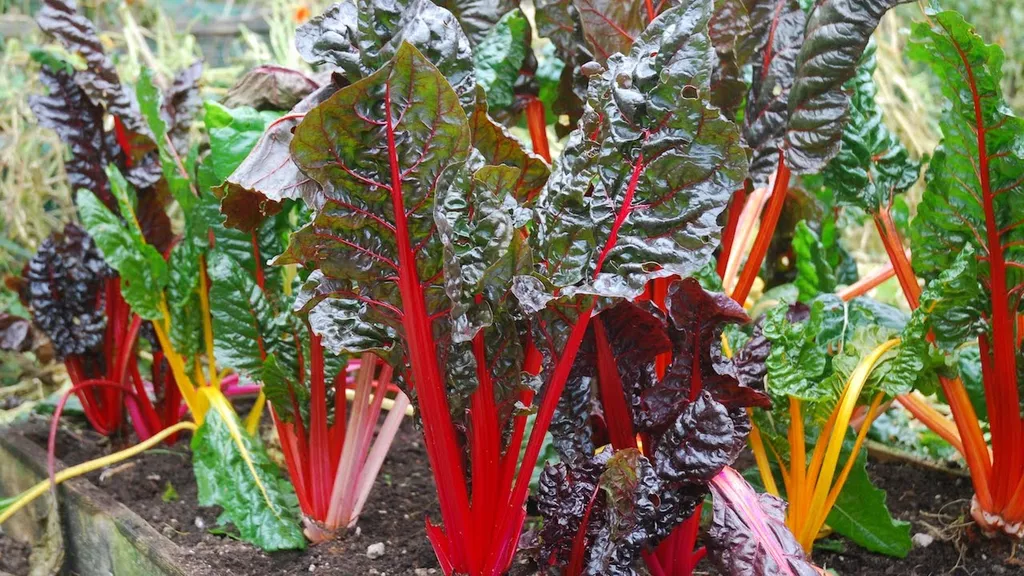
In the quest for sustainable agriculture, researchers are continually exploring innovative solutions to enhance crop productivity while mitigating environmental impacts. A recent study published in the Malaysian Journal of Sustainable Agriculture sheds light on the potential of zeolite, a naturally occurring mineral, to boost the growth and yield of Swiss chard, a popular leafy vegetable. The research, led by Olwetu Antonia Sindesi from the Department of Agriculture at Cape Peninsula University of Technology in South Africa, offers promising insights for farmers grappling with soil degradation and water scarcity.
Swiss chard, known for its nutritional benefits and culinary versatility, faces challenges such as high input costs and soil degradation. Zeolite, with its high cation exchange capacity and water retention properties, has been gaining attention for its positive effects on various crops. However, specific studies on its impact on Swiss chard have been limited. Sindesi’s research aimed to fill this gap by investigating the effects of zeolite application on the growth and yield of Swiss chard under greenhouse conditions over two growing seasons.
The study applied zeolite at different ratios to sandy soil and monitored growth parameters such as plant height, leaf area, and chlorophyll content. The results were promising, particularly in the second growing season. “Zeolite application improved leaf area, leaf number, fresh and dry yield, and their growth rate per week,” Sindesi noted. These improvements were attributed to enhanced soil quality due to zeolite application. The initial season showed inconsistent trends, likely due to the time needed for zeolite to stabilize in the soil system.
One of the intriguing findings was the reduction in Swiss chard leaf moisture with increased zeolite application in the second season. This was linked to the higher leaf growth, which may have encouraged greater transpiration losses. Additionally, the study found that chlorophyll content index and leaf moisture percentage had limited direct correlation with yield, suggesting that growth parameters like plant height and leaf area are better indicators of yield potential in Swiss chard.
The commercial implications of this research are significant. For farmers, particularly those dealing with sandy soils, zeolite could be a game-changer. “This study demonstrates zeolite’s potential to enhance vegetable production, emphasizing the need for a stabilization period in sandy soils,” Sindesi explained. The findings could lead to more efficient use of resources, reduced input costs, and improved crop yields, ultimately benefiting both farmers and consumers.
Looking ahead, the research opens doors for further exploration. Future studies could delve into the long-term effects of zeolite application on crop performance and soil health. As the agricultural sector continues to seek sustainable solutions, zeolite may well become a key player in enhancing productivity and resilience in the face of environmental challenges. The study, published in the Malaysian Journal of Sustainable Agriculture, underscores the importance of innovative research in shaping the future of agriculture.