
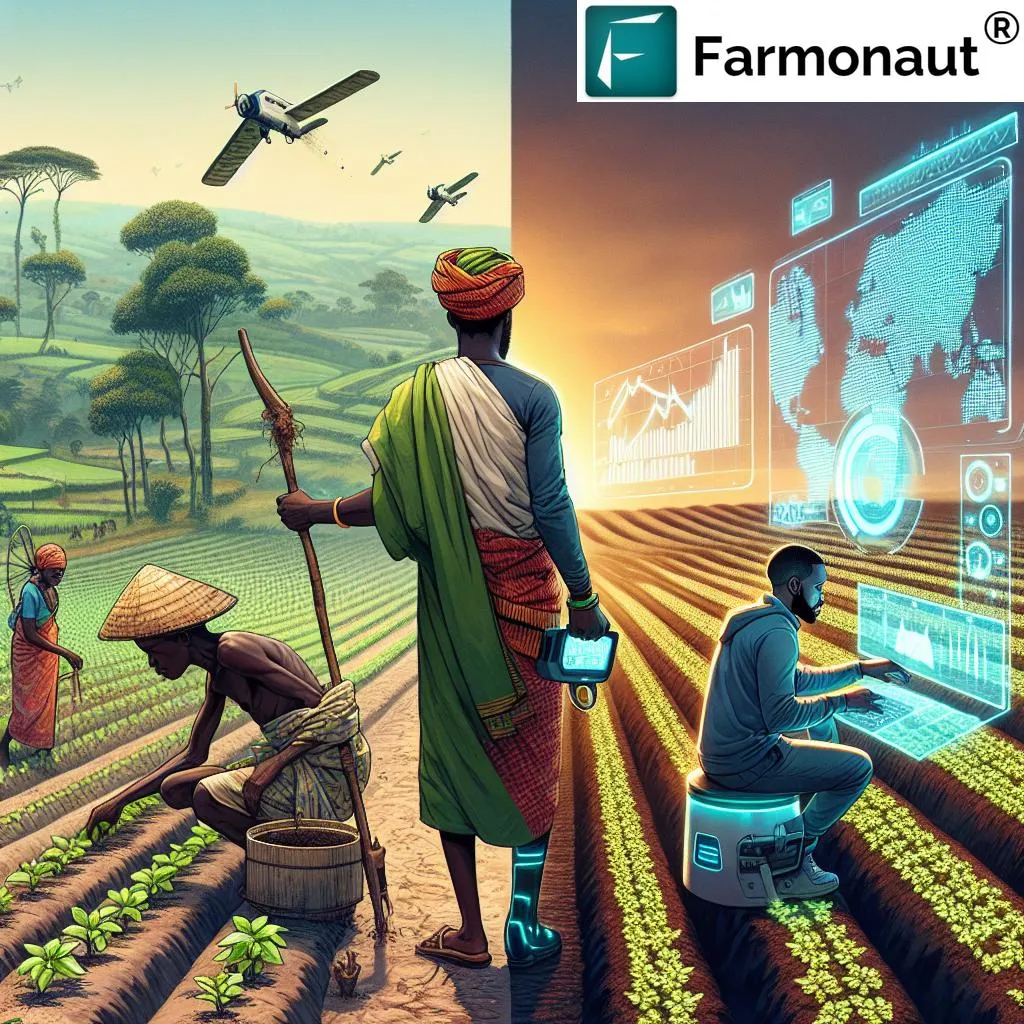
In the heart of Africa, where the majority of the population resides in rural areas and agriculture is the backbone of the economy, a digital revolution is quietly taking root. This transformation is not just about bringing the latest gadgets to the farms, but about leveraging digital technology to boost productivity, attract youth, and empower women in the agricultural sector.
The potential of digital technology in agriculture is immense. It can enhance every step of the value chain, from production to consumption. For instance, digital tools can help farmers monitor weather conditions, access real-time market prices, and even manage their crops more efficiently. However, the challenge lies in changing the perception of agriculture among the youth, who often view it as an outdated sector.
To address this, initiatives like the AGM Network are offering agricultural entrepreneurs opportunities to acquire digital skills. These skills can help them optimize their production and enhance their products, making agriculture a more attractive and productive profession.
But why is agri-tech not progressing as quickly as fintech in Africa? The answer lies in a dual gap. On one hand, there are farmers who are unfamiliar with technology, and on the other, tech-savvy youth who are not familiar with agricultural professions. Fintech, in contrast, is universal and speaks to everyone, regardless of their location or purchasing power.
Bridging this gap is crucial. Strategic partnerships and acculturation programs can play a significant role in this. For example, AGM is working to train agricultural actors in the practical use of digital tools to improve their productivity.
Digital technology also holds the potential to address the challenges faced by women in agricultural entrepreneurship. Women are at the heart of African agriculture, but they often lack access to information, financing, and digital tools. Digital technology can offer them a powerful lever for acculturation, personalized support, and productivity optimization.
Initiatives like the 10,000 Codeurs Digital Passport certification are offering women in agriculture the opportunity to understand digital-related professions and demystify technologies such as artificial intelligence or blockchain. They are then supported individually to apply these skills to self-marketing, product promotion, and productivity improvement.
The implications of these initiatives are far-reaching. They can help transform African agriculture, empower women, and attract young people to this sector with great potential. However, this is a public service mission that requires the involvement of governments, communities, and various stakeholders. By combining training, support, and technology, we can truly harness the power of digital technology to drive agricultural development in Africa.