
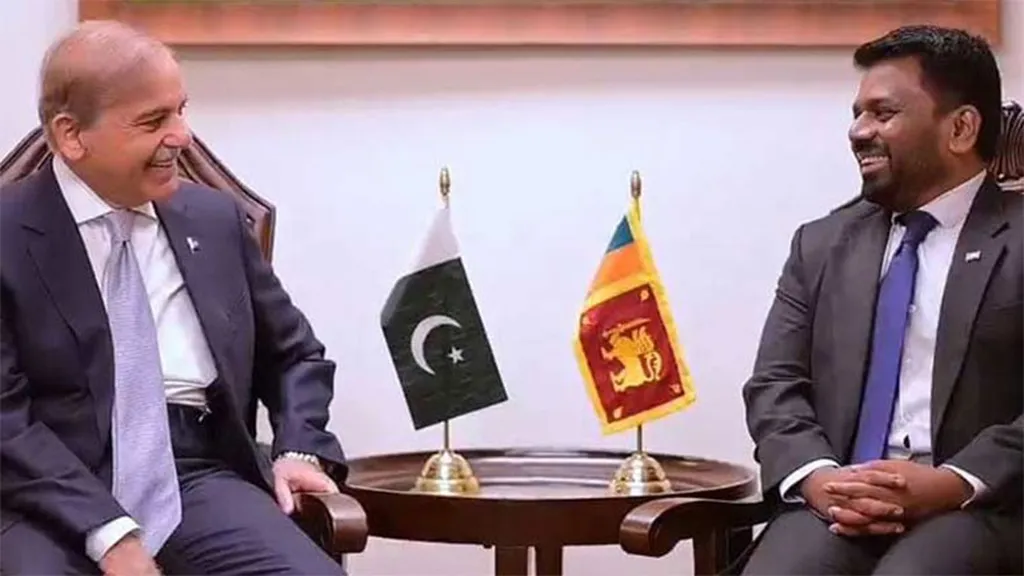
In a significant move to bolster bilateral relations, Pakistan and Sri Lanka have agreed to expand their cooperation in several key sectors, including trade, agriculture, technology, and maritime connectivity. This agreement was reached during the 13th session of the Joint Economic Commission held in Colombo on Wednesday.
The Sri Lankan delegation was led by Minister for Trade, Commerce, Food Security and Cooperative Development Wasantha Samarasinghe, while the Pakistani side was headed by Special Assistant to the Prime Minister on Industries and Production Haroon Akhtar Khan. The session concluded with the signing of the Agreed Minutes, marking a formal commitment to the discussed collaborations.
In the realm of the digital economy, both nations agreed in principle to establish a joint working group on information technology and telecommunications. This initiative aims to foster cooperation in emerging technologies and to support each other in international digital and telecom forums. This move is particularly significant as it underscores the growing importance of digital infrastructure and technological advancement in modern economies.
Industrial cooperation was another key area of discussion. The two countries explored ways to expand bilateral trade in chemicals, polymers, engineering goods, glassware, surgical instruments, and pharmaceuticals. Sri Lanka extended an invitation to Pakistani pharmaceutical firms to explore investment opportunities in its designated manufacturing zones. Additionally, both sides agreed to enhance collaboration in export processing zones and to strengthen cooperation in the small and medium enterprise (SME) sector through their respective development agencies. This focus on SMEs is crucial, as it can drive economic growth and create employment opportunities in both countries.
Progress was also reported in agriculture and livestock cooperation. The agreements cover a wide range of areas, including meat exports, livestock farming, seed certification, sanitary and phytosanitary harmonisation, pest risk analysis, and capacity building. These agreements are expected to enhance food security and improve the agricultural practices in both nations.
The implications of these agreements are far-reaching. Enhanced cooperation in trade and industry can lead to increased economic growth and job creation. The focus on digital economy and emerging technologies positions both countries to better compete in the global market. Moreover, strengthened agricultural ties can improve food security and promote sustainable farming practices.
As both nations navigate the complexities of the global economy, this expanded cooperation serves as a testament to their commitment to mutual growth and development. The agreements reached during the 13th session of the Joint Economic Commission are not just about economic gains but also about building a stronger, more resilient partnership for the future.